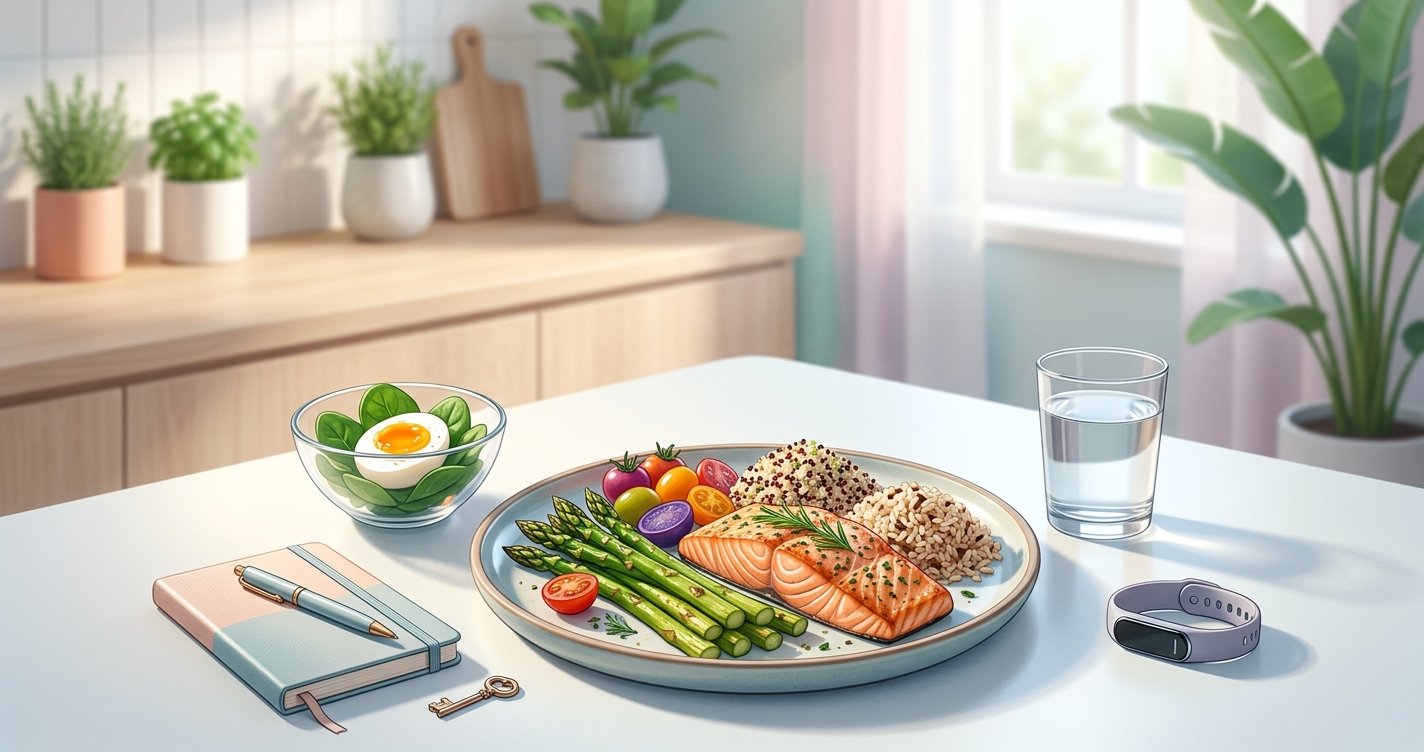
Tired of restrictive diets and fleeting results? The world of fat loss can feel overwhelming, filled with conflicting advice and quick fixes that rarely stick. But what if we told you that achieving sustainable fat loss doesn't have to be a battle? It boils down to understanding two powerful, evidence-based principles: creating a modest calorie deficit and prioritizing protein intake. Forget the fads; this is about building a foundation for lasting change, fueled by smart nutrition and a friendly, encouraging approach.
In this guide, we'll demystify these core concepts, explain why they're so effective, and provide practical, actionable strategies to help you integrate them into your daily life. Get ready to transform your approach to fat loss, not just for a few weeks, but for good! this excellent wellness product
The Core Principle: Understanding the Calorie Deficit
At its heart, fat loss is a simple equation: you need to consume fewer calories than your body burns. This state is known as a calorie deficit. When your body doesn't get enough energy from food, it turns to its stored energy reserves – primarily body fat – to make up the difference. Sounds straightforward, right?
However, the key to sustainable fat loss lies in creating a moderate deficit. An extreme deficit might lead to rapid initial weight loss, but it's often accompanied by muscle loss, nutrient deficiencies, fatigue, and an increased likelihood of rebound weight gain. A healthy, sustainable deficit typically ranges from 300 to 500 calories below your daily maintenance needs. You can estimate your daily calorie needs (Total Daily Energy Expenditure or TDEE) using online calculators that factor in your age, sex, weight, height, and activity level.
Remember, this isn't about starvation; it's about smart energy management. It's about giving your body just enough fuel to function optimally while encouraging it to tap into fat stores.
Why Protein is Your Best Friend for Fat Loss
While a calorie deficit is non-negotiable for fat loss, protein plays an absolutely crucial supporting role. In fact, it's arguably the most important macronutrient when you're aiming to shed body fat. Here's why:
- Satiety Superstar: Protein is incredibly filling. Eating protein-rich foods helps you feel fuller for longer, reducing cravings and making it easier to stick to your calorie deficit without feeling deprived.
- Muscle Preservation: When you're in a calorie deficit, your body can sometimes break down muscle tissue for energy, alongside fat. Adequate protein intake signals to your body to preserve precious muscle mass. Why is this important? Muscle is metabolically active, meaning it burns more calories at rest than fat does. Preserving muscle helps maintain your metabolism, making long-term fat loss more achievable.
- Higher Thermic Effect of Food (TEF): Protein has a higher TEF than carbohydrates or fats. This means your body expends more energy (burns more calories) digesting and metabolizing protein compared to other macronutrients. It's a small but significant boost to your overall calorie expenditure.
- Repair and Recovery: Protein is the building block for all your body's tissues, including muscles. If you're incorporating exercise into your routine (which is highly recommended for fat loss), protein helps repair and rebuild muscle fibers, leading to stronger, more resilient muscles.
For optimal fat loss and muscle preservation, aim for a higher protein intake, generally around 0.7 to 1 gram of protein per pound of your target body weight (or current body weight if you're significantly overweight). For example, a 150-pound individual might aim for 105-150 grams of protein daily.
Practical Strategies to Boost Your Protein Intake
Increasing your protein doesn't have to be complicated or boring. Here are some simple ways to weave more protein into your daily meals:
- Start Strong with Breakfast: Ditch sugary cereals. Opt for eggs, Greek yogurt, cottage cheese, protein smoothies, or lean breakfast meats.
- Lean Meats and Fish: Chicken breast, turkey, lean beef, salmon, tuna, cod are excellent sources. Aim for a palm-sized portion at lunch and dinner.
- Plant-Based Powerhouses: Lentils, beans, chickpeas, tofu, tempeh, edamame, and quinoa are fantastic options for vegetarians and vegans.
- Dairy Delights: Milk, cheese (in moderation), and especially Greek yogurt are packed with protein.
- Smart Snacking: Instead of chips, grab a handful of almonds, a hard-boiled egg, a piece of string cheese, or a serving of jerky.
- Protein Supplements (When Needed): While whole foods should always be your primary source, protein powders (whey, casein, plant-based) can be a convenient way to hit your daily targets, especially after workouts or for a quick snack.
Distribute your protein intake throughout the day. Aim for 20-40 grams of protein at each main meal to maximize its benefits for satiety and muscle synthesis.
Navigating Your Calorie Deficit Smartly
Implementing a calorie deficit requires a thoughtful approach. Here's how to do it without feeling overwhelmed:
- Track Initially, Learn Constantly: For a few weeks, use a food tracking app (like MyFitnessPal or Cronometer) to get an accurate sense of your current intake. This isn't about lifelong tracking, but about building awareness of portion sizes and the calorie density of different foods.
- Focus on Whole, Unprocessed Foods: These foods are generally lower in calories and higher in nutrients and fiber, making them more filling. Think fruits, vegetables, lean proteins, and whole grains.
- Mindful Eating: Pay attention to your hunger and fullness cues. Eat slowly, savor your food, and put down your fork between bites. This helps prevent overeating and makes you more attuned to your body's signals.
- Portion Control: Even healthy foods have calories. Use measuring cups, a food scale, or visual cues (e.g., a deck of cards for protein, a fist for carbs) to manage portion sizes effectively.
- Hydration is Key: Sometimes, thirst is mistaken for hunger. Drink plenty of water throughout the day. A glass of water before meals can also help with satiety.
- Allow for Flexibility: Perfection is the enemy of progress. Don't let one 'off' meal or day derail your efforts. Get back on track with your next meal. Consistency over perfection is the motto for sustainable fat loss.
Beyond Calories and Protein: Other Pillars of Success
While protein and a calorie deficit are foundational, other lifestyle factors significantly impact your fat loss journey:
- Fiber-Rich Foods: Fiber, found in fruits, vegetables, and whole grains, adds bulk to your meals, promoting fullness and aiding digestion.
- Adequate Sleep: Poor sleep can disrupt hunger-regulating hormones (ghrelin and leptin), leading to increased appetite and cravings for unhealthy foods. Aim for 7-9 hours of quality sleep per night.
- Stress Management: Chronic stress can elevate cortisol levels, which can promote fat storage, particularly around the midsection. Incorporate stress-reducing activities like meditation, yoga, or spending time in nature.
- Strength Training: While not directly creating a calorie deficit, strength training is crucial for building and preserving muscle mass, which boosts your metabolism and improves body composition. It complements your nutrition strategy perfectly.
- Cardiovascular Exercise: Incorporating some cardio can help increase your daily calorie expenditure, contributing to your deficit, and offers numerous cardiovascular health benefits.
Making It Stick: Sustainable Habits for Long-Term Success
The journey to sustainable fat loss is a marathon, not a sprint. It's about building habits that you can maintain for life, not just for a few weeks.
- Patience and Consistency: Results won't happen overnight. Celebrate small victories, stay consistent with your efforts, and trust the process.
- Listen to Your Body: Learn what foods make you feel good, energized, and satisfied. Adjust your approach based on your body's unique responses.
- Seek Support: Share your goals with friends or family, consider working with a registered dietitian or certified personal trainer, or join a supportive community.
- Focus on Health, Not Just the Scale: While the scale can be a tool, also pay attention to how your clothes fit, your energy levels, your strength, and your overall well-being. These are often better indicators of true progress.
Conclusion: Your Path to Lasting Fat Loss Starts Now
Sustainable fat loss doesn't require extreme measures or magic pills. It requires a clear understanding of energy balance and the strategic use of protein. By consistently creating a moderate calorie deficit and prioritizing protein-rich foods, you're not just losing weight; you're building a stronger, healthier body and fostering habits that will serve you for a lifetime.
Embrace this evidence-based approach with patience and self-compassion. Start small, be consistent, and watch as you unlock a more energetic, confident, and sustainably healthier you. Your journey begins today!