Are you tired of the yo-yo diet cycle? Do you feel frustrated by quick fixes that promise the world but deliver only temporary results? You’re not alone. Many people embark on a fat loss journey with the best intentions, only to find themselves back where they started – or even further behind. The good news? Sustainable fat loss isn't a mythical creature. It’s a science-backed process that, when understood and applied consistently, can lead to lasting change.
Forget extreme restrictions and fad diets. This guide will introduce you to two fundamental, evidence-based pillars of sustainable fat loss: a strategic calorie deficit and the incredible power of protein. Together, they form a dynamic duo that will not only help you shed unwanted fat but also maintain your progress for the long haul, all while feeling nourished and energized. Let's dive in! this excellent wellness product
Understanding the Core: The Calorie Deficit Explained
At its heart, fat loss boils down to a simple principle: you must consume fewer calories than your body burns. This is known as creating a 'calorie deficit.' Think of your body as a car and calories as its fuel. If you put less fuel in than the car needs to run, it will eventually start to tap into its stored fuel reserves – and for your body, those reserves are primarily body fat.
It's not about starving yourself; it's about smart energy management. A sustainable calorie deficit typically ranges from 300 to 500 calories below your Total Daily Energy Expenditure (TDEE). Your TDEE is the total number of calories your body burns in a day, factoring in your basal metabolic rate (calories burned at rest), exercise, and daily activities. Creating this moderate deficit allows your body to gradually tap into fat stores without feeling overly deprived or triggering a metabolic slowdown.
Calculating Your Personal Calorie Needs
While precise calculation can be complex, you can get a good estimate using online TDEE calculators. Input your age, sex, weight, height, and activity level. Once you have your estimated TDEE, subtract 300-500 calories to find your target daily intake for fat loss. Remember, these are estimates, and your body's needs can vary. The key is to start with a reasonable deficit and adjust based on your progress and how you feel.
The Golden Rule: Consistency, Not Perfection
Don’t aim for perfection every single day. Life happens, and some days you might go over your target. The goal is consistency over weeks and months. Focus on making smart choices the majority of the time, and don't let a single 'off' meal or day derail your entire effort. Sustainable fat loss is a marathon, not a sprint.
Protein: Your Secret Weapon for Fat Loss
If there's one macronutrient that deserves a gold medal in the fat loss Olympics, it's protein. While often associated with bodybuilders, protein is absolutely vital for anyone looking to lose fat effectively and sustainably. Here's why:
Satiety and Hunger Control: Feel Fuller, Longer
Protein is incredibly satiating, meaning it helps you feel full and satisfied for longer periods. This is a game-changer when you're in a calorie deficit because it significantly reduces cravings and the urge to snack unnecessarily. Research consistently shows that higher protein intake leads to reduced overall calorie consumption without conscious effort.
Preserving Muscle Mass: Burn Fat, Not Muscle
When you create a calorie deficit, your body can potentially break down both fat and muscle for energy. Muscle is metabolically active tissue, meaning it burns more calories at rest than fat does. Losing muscle can slow down your metabolism, making fat loss harder in the long run. A high protein intake, especially when combined with strength training, signals to your body to prioritize burning fat while preserving precious muscle mass.
Boosting Metabolism: The Thermic Effect of Food (TEF)
Did you know that your body burns calories just to digest and process the food you eat? This is called the Thermic Effect of Food (TEF). Protein has the highest TEF of all macronutrients, meaning your body expends more energy to digest protein compared to carbohydrates or fats. This gives you a slight metabolic boost throughout the day, contributing to your overall calorie deficit.
Practical Protein Sources and Intake Recommendations
So, how much protein should you aim for? For fat loss, a good target is typically 1.6 to 2.2 grams of protein per kilogram of body weight per day. Spread your protein intake evenly across your meals and snacks to maximize its benefits.
- Lean Meats: Chicken breast, turkey, lean beef, pork tenderloin.
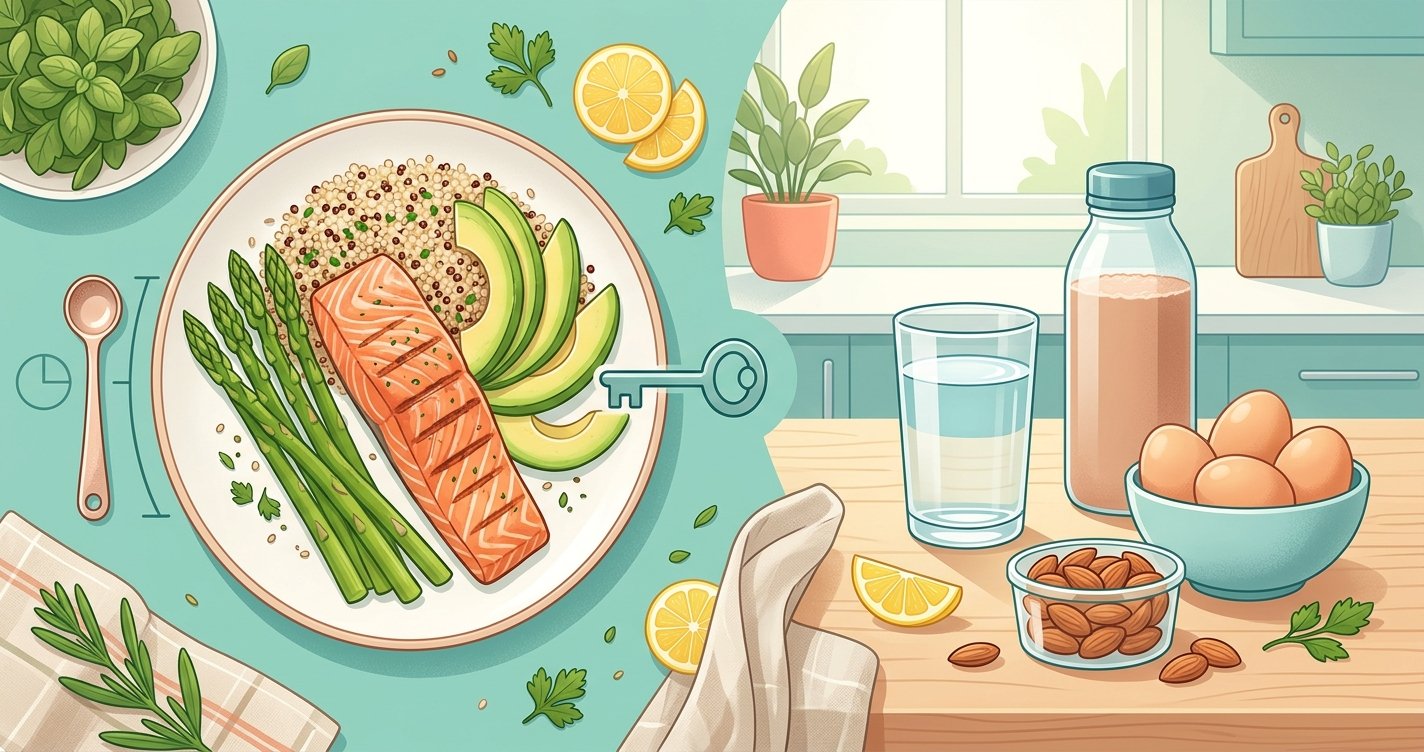
- Fish & Seafood: Salmon, cod, tuna, shrimp.
- Eggs & Dairy: Whole eggs, egg whites, Greek yogurt, cottage cheese, low-fat milk.
- Legumes & Plant-Based: Lentils, chickpeas, black beans, tofu, tempeh, edamame.
- Protein Supplements: Whey, casein, or plant-based protein powders can be convenient for boosting intake.
Combining Forces: How Protein and Calorie Deficit Work Together
The magic truly happens when you combine a smart calorie deficit with a high protein intake. You create an environment where your body is encouraged to burn fat for energy, protected from muscle loss, and experiences reduced hunger. Here’s how to put it into practice:
- Prioritize Protein at Every Meal: Aim for a substantial protein source in breakfast, lunch, and dinner, and include protein-rich snacks if needed.
- Mindful Portion Control: While protein helps with satiety, remember you're still in a calorie deficit. Be mindful of overall portion sizes, especially with fats and carbohydrates, which are more calorie-dense.
- Plan Your Meals: A little planning goes a long way. Prep high-protein meals and snacks in advance to avoid impulsive, less nutritious choices.
- Hydrate Adequately: Sometimes thirst can be mistaken for hunger. Drinking plenty of water can also help you feel fuller and support overall metabolic function.
Beyond Calories & Protein: Lifestyle Factors for Success
While calorie deficit and protein are foundational, sustainable fat loss is a holistic endeavor. Don’t overlook these crucial lifestyle elements:
The Importance of Strength Training
Strength training is your best friend on a fat loss journey. It helps preserve and even build muscle mass, which directly supports a higher resting metabolism. More muscle means your body burns more calories even when you're at rest, making it easier to maintain your fat loss long-term. Aim for 2-4 strength training sessions per week.
Quality Sleep: The Unsung Hero
Sleep might seem unrelated, but it profoundly impacts your fat loss efforts. Lack of sleep disrupts hormones that regulate hunger (ghrelin and leptin) and stress (cortisol). When these hormones are out of whack, you're more likely to experience increased cravings, reduced willpower, and your body might even hold onto fat more stubbornly. Aim for 7-9 hours of quality sleep per night.
Stress Management: Keeping Cortisol in Check
Chronic stress elevates cortisol levels, which can promote fat storage, particularly around the abdominal area, and increase cravings for high-calorie comfort foods. Incorporate stress-reducing activities into your daily routine, such as meditation, yoga, spending time in nature, or engaging in hobbies you enjoy.
Navigating Challenges: Plateaus and Progress
It's normal for fat loss to slow down or hit plateaus. Don't get discouraged! This is a natural part of the process as your body adapts. When you hit a plateau:
- Re-evaluate Your Intake: Double-check your calorie and protein intake. Are you accurately tracking? Have your activity levels changed?
- Increase Activity Slightly: Add a bit more cardio or intensity to your strength training.
- Be Patient: Sometimes, your body just needs time to catch up. Continue with your consistent efforts for a few more weeks before making drastic changes.
- Focus on Non-Scale Victories: Are your clothes fitting better? Do you have more energy? Are you stronger? These are all signs of progress that the scale might not always reflect.
Your Journey to Sustainable Fat Loss Starts Now
Sustainable fat loss isn't about deprivation; it's about empowerment through knowledge and consistent action. By understanding the critical role of a calorie deficit and harnessing the power of protein, you're equipping yourself with the most effective tools for lasting change. Combine these foundations with smart lifestyle choices like strength training, adequate sleep, and stress management, and you'll not only reach your fat loss goals but also build a healthier, stronger you for years to come.
Remember, this is your journey. Be patient with yourself, celebrate your progress, and embrace the process. You have the power to make sustainable change – one delicious, protein-packed meal at a time!