Unlock Sustainable Fat Loss: The Power of Protein & Calorie Deficit
Are you tired of the endless cycle of restrictive diets, quick fixes, and the frustration of fat loss that just won't stick? You're not alone. Many people embark on their fat loss journey with enthusiasm, only to be met with disappointment because they're missing the fundamental, evidence-based pillars of sustainable success. The good news? Achieving lasting fat loss doesn't have to be complicated, nor does it require extreme deprivation. It boils down to understanding two incredibly powerful, interconnected concepts: a strategic calorie deficit and the mighty role of protein.
Forget the fads and unsustainable trends. In this post, we're diving deep into the science-backed strategies that empower you to shed unwanted fat, maintain muscle, boost your metabolism, and feel fantastic – all without feeling hungry or deprived. Get ready to transform your approach to fat loss and build habits that truly last! this excellent wellness product
Understanding the Calorie Deficit: The Golden Rule of Fat Loss
Let's start with the absolute non-negotiable truth about fat loss: to lose fat, you must consume fewer calories than your body expends. This is known as creating a calorie deficit, and it's the bedrock upon which all successful fat loss is built. Think of it like a bank account: if you spend more money than you earn, your savings decrease. Similarly, if your body uses more energy (calories) than you provide through food, it will tap into its stored energy reserves – primarily body fat – to make up the difference.
While the concept is simple, the execution needs to be smart. A deficit that's too aggressive can lead to muscle loss, nutrient deficiencies, and make you feel constantly hungry and fatigued, ultimately derailing your efforts. A sustainable deficit, typically 300-500 calories below your maintenance level, allows for steady fat loss (around 1-2 pounds per week) while preserving muscle mass and energy levels. You can estimate your maintenance calories using online calculators, but remember, these are just starting points. Listening to your body and tracking your progress are key to fine-tuning your intake.
The Mighty Macronutrient: Why Protein is Your Fat Loss Best Friend
Once you understand the calorie deficit, the next critical piece of the puzzle is protein. Often overlooked or underestimated, protein is a superhero macronutrient when it comes to fat loss. Here's why:
- Satiety Powerhouse: Protein is the most satiating macronutrient, meaning it helps you feel fuller for longer. Including adequate protein in your meals can significantly reduce cravings and prevent overeating, making it much easier to stick to your calorie deficit without feeling hungry.
- Muscle Preservation: When you're in a calorie deficit, your body can sometimes break down muscle tissue for energy, not just fat. This is detrimental because muscle is metabolically active – it burns more calories at rest than fat does. A high protein intake signals to your body to preserve muscle, ensuring that the weight you're losing is primarily fat.
- Thermic Effect of Food (TEF): Protein has a higher TEF than carbohydrates or fats. This means your body expends more energy (calories) digesting and metabolizing protein. While not a massive calorie burner, every little bit helps in creating and maintaining that deficit.
- Blood Sugar Regulation: Protein helps stabilize blood sugar levels, preventing the sharp spikes and crashes that can lead to energy dips and increased hunger.
Research consistently shows that individuals consuming higher amounts of protein during a calorie deficit experience greater fat loss and better muscle retention compared to those on lower protein diets.
Practical Strategies for Boosting Protein Intake
So, how much protein should you aim for, and how can you easily incorporate more into your daily diet? For optimal fat loss and muscle preservation, aim for approximately 0.7 to 1 gram of protein per pound of your target body weight (or 1.6 to 2.2 grams per kilogram). For example, if your target weight is 150 lbs, aim for 105-150 grams of protein daily.
Here are some practical tips:
- Prioritize Protein at Every Meal: Make protein the star of your breakfast, lunch, and dinner.
- Choose Lean Sources: Opt for lean meats (chicken breast, turkey, lean beef), fish (salmon, tuna, cod), eggs, dairy (Greek yogurt, cottage cheese, milk), legumes (lentils, beans), and plant-based protein sources (tofu, tempeh, edamame).
- Smart Snacking: Instead of carb-heavy snacks, reach for protein-rich options like Greek yogurt, a handful of almonds, a hard-boiled egg, or a protein shake.
- Don't Forget Plant-Based Options: If you're vegetarian or vegan, focus on a variety of plant proteins to ensure you're getting all essential amino acids. Think lentils, chickpeas, quinoa, seitan, and plant-based protein powders.
- Protein Powder Power: A convenient and effective way to boost your protein intake, especially post-workout or as a snack, is a quality whey, casein, or plant-based protein powder.
Crafting Your Sustainable Calorie Deficit: More Than Just Eating Less
While the calorie deficit is paramount, how you achieve it makes all the difference for sustainability and overall health. It's not just about eating less; it's about eating smarter.
- Focus on Nutrient-Dense Foods: Prioritize whole, unprocessed foods like fruits, vegetables, lean proteins, and whole grains. These foods provide essential vitamins, minerals, and fiber, keeping you nourished and fuller on fewer calories.
- Mind Your Portions: Even healthy foods can contribute to a calorie surplus if consumed in large quantities. Learn to eyeball appropriate portion sizes or use measuring tools initially.
- Beware of Liquid Calories: Sugary drinks, specialty coffees, and alcoholic beverages can add hundreds of empty calories without contributing to satiety. Opt for water, unsweetened tea, or black coffee.
- Cook at Home: Preparing your own meals gives you complete control over ingredients and portion sizes, making it easier to manage your calorie intake.
- Listen to Your Body: Pay attention to your hunger and fullness cues. Practice mindful eating – eat slowly, savor your food, and stop when you're comfortably full, not stuffed.
Beyond Calories and Protein: Other Pillars of Sustainable Fat Loss
While protein and a calorie deficit are the foundation, other lifestyle factors play crucial supporting roles in your fat loss journey:
- Fiber: Found in fruits, vegetables, and whole grains, fiber enhances satiety, aids digestion, and helps regulate blood sugar. Aim for 25-35 grams daily.
- Hydration: Drinking plenty of water is essential for metabolism, energy levels, and can sometimes curb perceived hunger (as thirst is often mistaken for hunger).
- Quality Sleep: Lack of sleep can disrupt hunger-regulating hormones (ghrelin and leptin), leading to increased appetite and cravings. Aim for 7-9 hours of quality sleep per night.
- Stress Management: Chronic stress can elevate cortisol levels, which may promote fat storage, especially around the midsection. Incorporate stress-reducing activities like meditation, yoga, or hobbies.
- Movement and Exercise: While diet is king for fat loss, incorporating regular physical activity (both strength training and cardiovascular exercise) helps burn additional calories, build muscle, improve mood, and boost overall health.
Putting It All Together: Your Path to Lasting Results
Embarking on a sustainable fat loss journey isn't about perfection; it's about consistency and making informed choices. Start by calculating your estimated maintenance calories and then aim for a modest deficit. Prioritize protein at every meal and snack, ensuring you hit your daily target. Fill the rest of your plate with plenty of colorful vegetables, some whole grains, and healthy fats.
Here's a simplified approach to a typical day:
- Breakfast: Scrambled eggs with spinach and a side of Greek yogurt, or a protein smoothie.
- Lunch: Large salad with grilled chicken or fish, plenty of non-starchy vegetables, and a light vinaigrette.
- Snack: Cottage cheese with berries, or a handful of almonds.
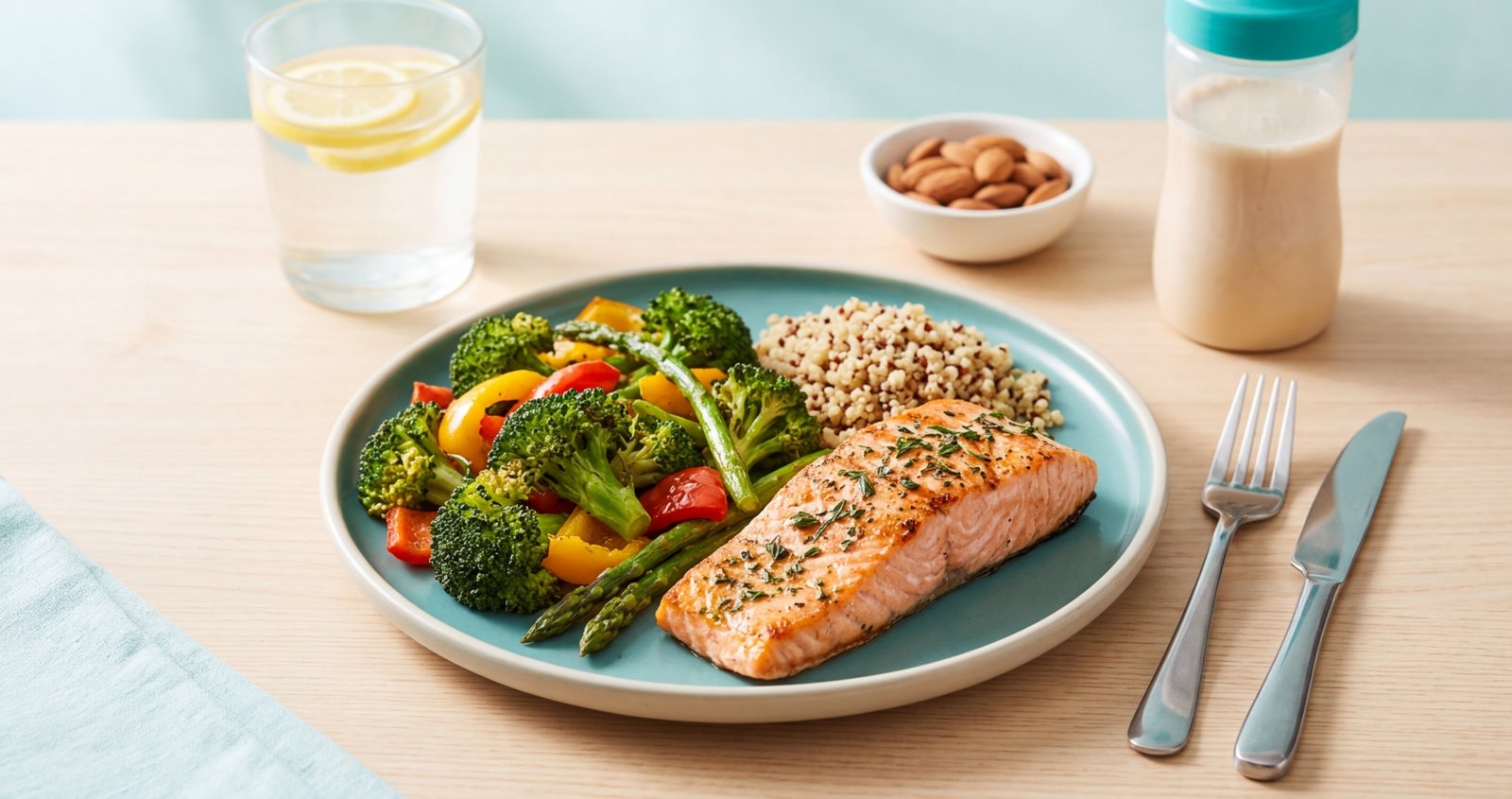
- Dinner: Baked salmon with roasted broccoli and a small serving of quinoa.
Remember, this is a template, not a rigid rule. The key is to find foods you enjoy that fit within your calorie and protein goals. Experiment, track your progress, and adjust as needed. Celebrate small victories and be patient with yourself – sustainable results take time.
Conclusion: Empower Your Fat Loss Journey
Sustainable fat loss isn't a mystery; it's a science. By mastering the art of creating a strategic calorie deficit and harnessing the incredible power of protein, you're equipping yourself with the most effective, evidence-based tools for success. Combine these foundational principles with adequate fiber, hydration, sleep, and stress management, and you're not just losing fat – you're building a healthier, stronger, and more vibrant you.
Embrace this journey with confidence, knowing that you're making choices that truly matter for your long-term health and well-being. Say goodbye to the frustrating cycle of fad diets and hello to a sustainable, enjoyable path to the body and energy you deserve!