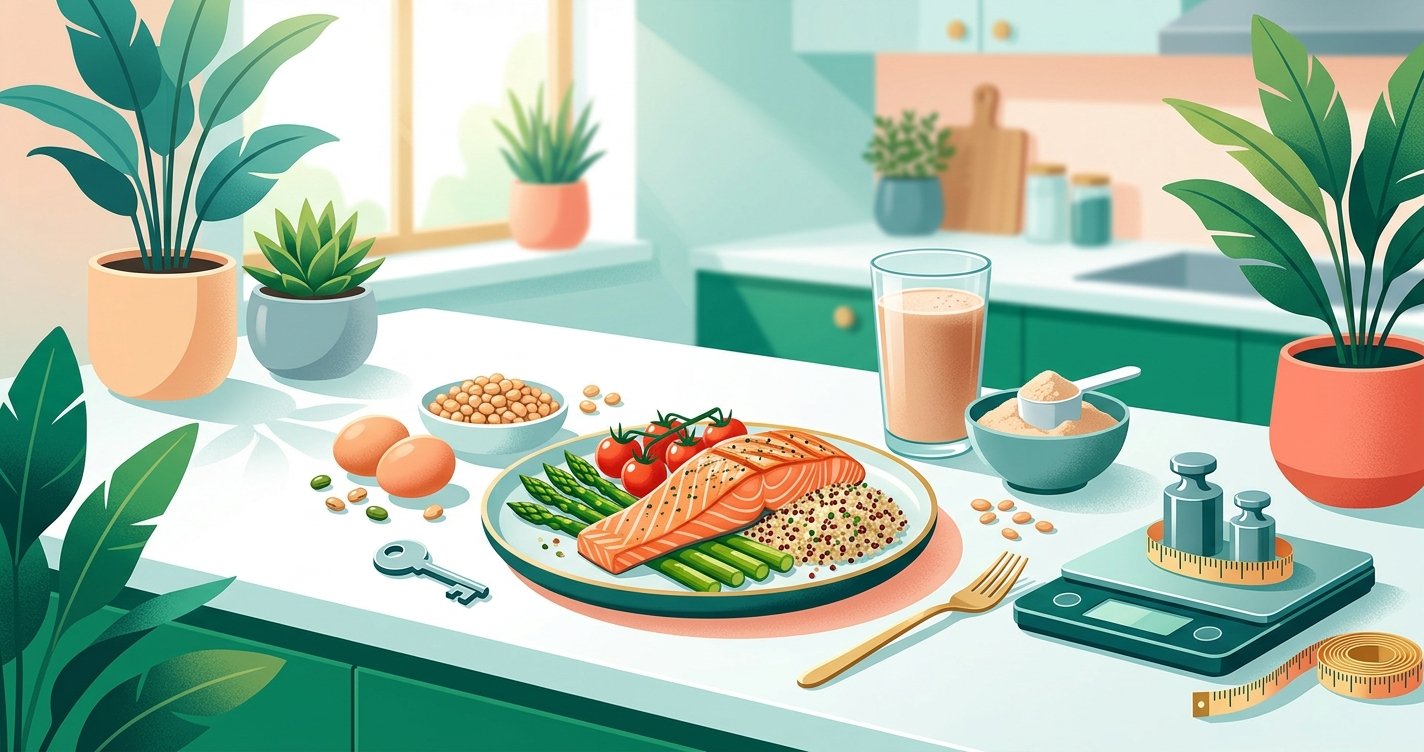
Are you tired of the endless cycle of fad diets, quick fixes, and disappointing results when it comes to fat loss? You're not alone. Many people get caught in a trap of restrictive eating that's unsustainable, leaving them frustrated and often regaining any lost weight. But what if there was a simpler, evidence-based path to not just losing fat, but keeping it off for good?
Welcome to the world of sustainable fat loss, where science meets real-world application. Today, we're going to dive deep into two foundational pillars that are absolutely crucial for effective and lasting fat loss: understanding and managing your calorie deficit, and harnessing the incredible power of protein. Forget complicated rules and deprivation; we're talking about smart, strategic choices that empower you to reach your goals without feeling miserable. Let's build a healthier, stronger you, one delicious, protein-packed meal at a time! this excellent wellness product
The Core Principle: Understanding Your Calorie Deficit
At its heart, fat loss is a game of energy balance. To lose fat, your body needs to expend more calories than it consumes. This difference is known as a calorie deficit. It's not about starving yourself; it's about creating a manageable gap between the energy you take in and the energy you burn.
What Exactly is a Calorie Deficit?
Think of your body like a car. Calories are its fuel. If you put in less fuel than the car needs to run for the day, it will start to draw on its reserves – in our case, stored body fat. A deficit means consistently eating slightly less than your body needs to maintain its current weight. This doesn't mean eating tiny portions or feeling hungry all the time; it means making smarter choices that are still satisfying.
How to Calculate Your Starting Point
While precise calculations can be complex, you can get a good estimate of your daily calorie needs using a Total Daily Energy Expenditure (TDEE) calculator online. These calculators consider factors like your age, sex, weight, height, and activity level to estimate how many calories you burn in a day. Once you have your TDEE, you'll aim to eat 300-500 calories below that number to create a sustainable deficit for fat loss.
- Step 1: Find an online TDEE calculator (search 'TDEE calculator').
- Step 2: Input your details accurately.
- Step 3: Subtract 300-500 calories from the TDEE result. This is your target daily calorie intake for fat loss.
The "Sweet Spot" for Sustainable Loss
A deficit of 300-500 calories per day typically leads to a healthy and sustainable fat loss of 1-2 pounds per week. Going too low can be counterproductive, leading to muscle loss, nutrient deficiencies, constant hunger, and a slower metabolism. Remember, consistency over severity is key here.
Why Protein is Your Best Friend for Fat Loss
If there's one nutrient you should prioritize when trying to lose fat, it's protein. This macronutrient offers a multitude of benefits that directly support your goals, making your journey smoother and more effective.
Satiety and Reduced Cravings
Protein is incredibly satiating. Eating enough protein helps you feel fuller for longer compared to fats or carbohydrates. This means fewer hunger pangs, reduced snacking, and greater control over your overall calorie intake. Studies consistently show that higher protein diets lead to greater satiety and reduced overall energy consumption.
Muscle Preservation
When you're in a calorie deficit, your body can sometimes break down muscle tissue for energy, not just fat. This is undesirable because muscle is metabolically active, meaning it burns more calories at rest than fat does. A higher protein intake helps to signal your body to hold onto that precious muscle, especially when combined with strength training. Preserving muscle mass is crucial for maintaining a healthy metabolism and a toned physique.
The Thermic Effect of Food (TEF)
Did you know that your body burns calories just to digest and process the food you eat? This is called the Thermic Effect of Food (TEF). Protein has the highest TEF of all macronutrients, meaning your body expends more energy digesting protein than it does carbohydrates or fats. While it's not a massive calorie burner, every little bit helps in creating that sustainable deficit.
How Much Protein Do You Really Need?
For fat loss and muscle preservation, aim for roughly 0.7 to 1 gram of protein per pound of your target body weight (or current body weight if you're not far off). For most active individuals, this often translates to 100-150 grams of protein per day, spread across your meals and snacks. Good sources include:
- Lean meats (chicken breast, turkey, lean beef)
- Fish and seafood (salmon, cod, tuna)
- Eggs
- Dairy (Greek yogurt, cottage cheese, milk)
- Legumes (lentils, beans, chickpeas)
- Tofu and tempeh
- Protein powder (whey, casein, plant-based)
Smart Strategies for Achieving Your Calorie Deficit
Now that we understand the 'why,' let's talk about the 'how.' Here are practical, evidence-based strategies to help you create and maintain your calorie deficit without feeling deprived.
Prioritize Whole, Unprocessed Foods
Whole foods like fruits, vegetables, lean proteins, and whole grains are naturally lower in calories and higher in nutrients and fiber compared to processed foods. They keep you full, provide essential vitamins and minerals, and are generally less 'calorically dense,' meaning you can eat more volume for fewer calories.
Mindful Eating Practices
Slow down, savor your food, and pay attention to your body's hunger and fullness cues. Eating mindfully can prevent overeating and help you truly enjoy your meals. Put away distractions, chew thoroughly, and give your brain time to register that you're full (it takes about 20 minutes!).
Portion Control Made Easy
You don't need to weigh every single gram of food. Simple visual cues can help. For protein, aim for a palm-sized portion. For vegetables, fill half your plate. For carbohydrates like rice or pasta, a cupped hand is a good guide. Using smaller plates can also trick your brain into thinking you're eating more.
Don't "Drink" Your Calories
Sugary drinks, fancy coffees, and even seemingly healthy fruit juices can pack a surprising number of calories without providing much satiety. Opt for water, unsweetened tea, or black coffee instead. These simple swaps can save you hundreds of calories daily.
The Power of Fiber
Like protein, fiber contributes significantly to satiety. Found abundantly in fruits, vegetables, whole grains, and legumes, fiber adds bulk to your meals, slows digestion, and helps you feel full. Aim for at least 25-30 grams of fiber per day.
Meal Planning & Preparation: Your Secret Weapons
Consistency is king in fat loss, and consistent effort is greatly supported by effective meal planning and preparation. Think of it as setting yourself up for success.
Batch Cooking for Success
Dedicate an hour or two once or twice a week to prepare some foundational ingredients. Cook a big batch of chicken, roast a tray of vegetables, or prepare a large pot of quinoa or brown rice. Having these components ready makes assembling healthy meals quick and easy during busy weekdays.
Simple, Satisfying Meal Ideas
You don't need gourmet recipes. Focus on simple combinations that hit your protein and fiber targets:
- Grilled chicken or fish with a large side salad and a small baked sweet potato.
- Greek yogurt with berries and a sprinkle of nuts.
- Lentil soup with whole-grain bread.
- Scrambled eggs with spinach and whole-wheat toast.
- Lean ground turkey stir-fry with plenty of mixed vegetables and a small portion of brown rice.
Tracking (But Not Obsessing)
For some, tracking calories and macros (protein, carbs, fats) for a few weeks can be incredibly insightful. It helps you understand where your calories are actually coming from and if you're hitting your protein goals. Apps like MyFitnessPal or Lose It! can make this process easy. However, it's a tool, not a rule. If tracking becomes stressful, take a break and focus on mindful eating and portion control.
Beyond the Plate: Lifestyle Factors That Support Fat Loss
Nutrition is paramount, but it's part of a larger ecosystem. Lifestyle factors play a significant role in your body's ability to lose fat and maintain overall health.
The Role of Sleep
Lack of sleep can wreak havoc on your hormones, increasing ghrelin (the hunger hormone) and decreasing leptin (the satiety hormone). This can lead to increased cravings, especially for high-calorie, sugary foods. Aim for 7-9 hours of quality sleep per night to support your fat loss efforts and overall well-being.
Managing Stress for Better Results
Chronic stress elevates cortisol levels, a hormone that can promote fat storage, particularly around the abdomen. Find healthy ways to manage stress, whether it's through exercise, meditation, spending time in nature, or hobbies you enjoy. Your mental health is just as important as your physical health.
Hydration is Key
Often overlooked, adequate water intake is vital. Water helps with metabolism, can reduce feelings of hunger (sometimes thirst is mistaken for hunger), and supports overall bodily functions. Aim for at least 8 glasses of water a day, more if you're active.
Patience and Consistency: The True Path to Lasting Change
Sustainable fat loss isn't a race; it's a marathon. There will be good days and challenging days, but your consistency over time is what truly matters.
Embrace the Journey
Focus on progress, not perfection. Acknowledge that setbacks are part of the process and don't let them derail you. Learn from them and get back on track. This is about building healthy habits that you can maintain for life, not just for a few weeks.
Listen to Your Body
Pay attention to how different foods make you feel. Are you energized or sluggish? Are you truly hungry, or just bored? Developing a deeper connection with your body's signals is a powerful tool for long-term success.
Celebrate Small Victories
Whether it's hitting your protein goal for a week, fitting into an old pair of jeans, or simply feeling more energized, celebrate your progress along the way. These small wins reinforce positive behavior and keep you motivated.
You have the power to transform your body and your health. By focusing on a smart, sustainable calorie deficit and prioritizing protein, you're not just losing fat; you're building a stronger, healthier, and more vibrant you. This isn't a temporary fix; it's a lifestyle upgrade. Stay consistent, be patient, and trust the process. Your future self will thank you!