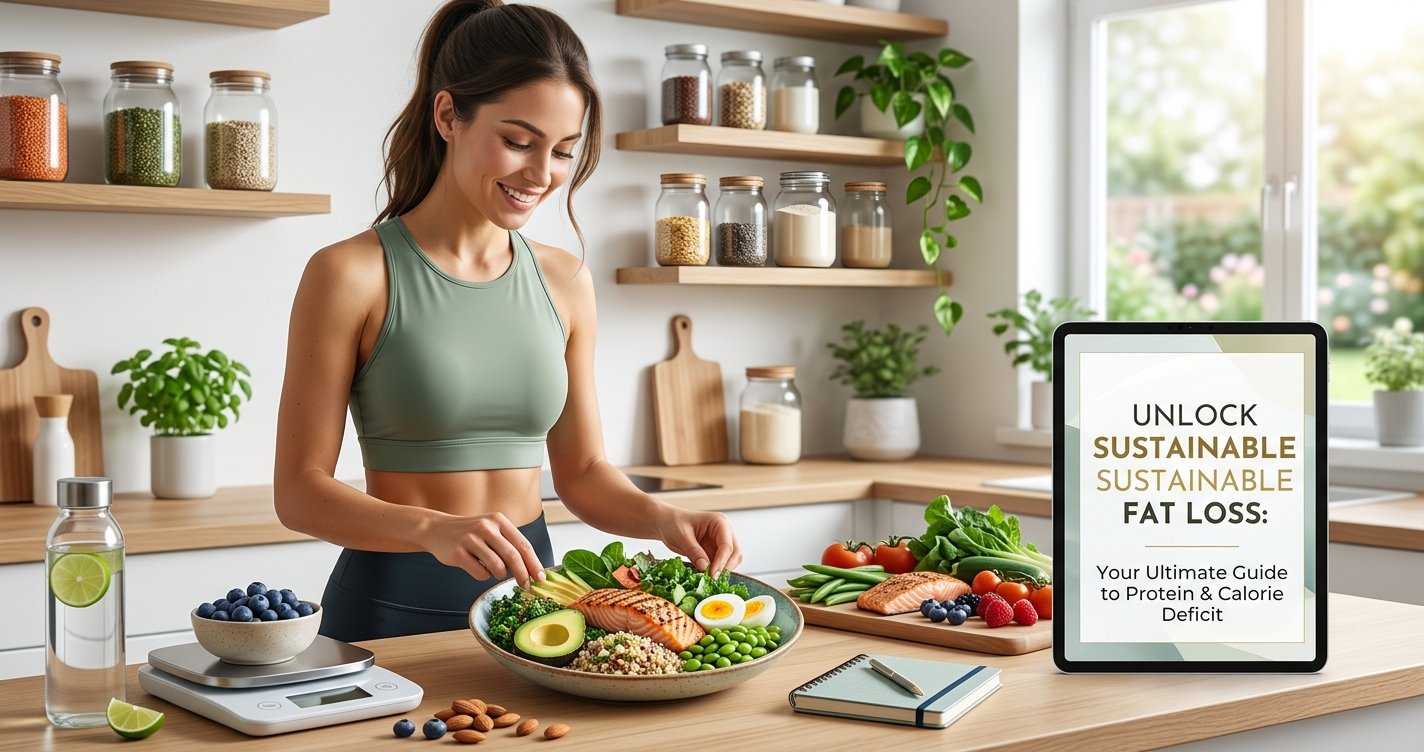
Unlock Sustainable Fat Loss: Your Ultimate Guide to Protein & Calorie Deficit
Embarking on a fat loss journey can often feel overwhelming, with countless diets and conflicting advice flooding our feeds. But what if we told you that at the heart of effective, sustainable fat loss lies a powerful, evidence-based duo: a strategic calorie deficit and a high-protein intake? Forget the fads and quick fixes; understanding and implementing these two fundamental principles is your golden ticket to not just losing fat, but keeping it off for good.
This isn't about deprivation or endless hours on the treadmill. It's about empowering you with the knowledge to nourish your body, feel satisfied, and sculpt a healthier, stronger you. We'll dive deep into why these two factors are so crucial, how to implement them practically, and offer friendly, science-backed advice to make your fat loss journey both enjoyable and successful. Ready to transform your body and build lasting habits? Let's get started! this excellent wellness product
Understanding the Calorie Deficit: The Golden Rule of Fat Loss
At its core, fat loss boils down to a simple equation: energy in versus energy out. To lose fat, you must consume fewer calories than your body burns. This state is known as a "calorie deficit." Think of your body as a car; if you put less fuel in than it uses, eventually, it will start tapping into its reserves – in this case, stored body fat – for energy.
It sounds straightforward, and it is, but consistency is key. Your body burns calories through various processes: basic bodily functions (breathing, circulation, digestion), physical activity, and even the digestion of food itself. By creating a modest deficit (typically 300-500 calories below your maintenance level), you signal to your body that it's time to dip into those fat stores.
How to Calculate Your Calorie Needs
While precise calculations can be complex, you can get a good estimate of your daily calorie needs (your Total Daily Energy Expenditure or TDEE) using online calculators. These tools factor in your age, sex, weight, height, and activity level. Once you have your TDEE, subtract 300-500 calories to establish your target for fat loss. Remember, this is an estimate, and you'll need to adjust based on your progress.
The Protein Advantage: Your Fat Loss MVP
While a calorie deficit is non-negotiable for fat loss, protein is the undisputed Most Valuable Player (MVP) in helping you achieve it effectively and sustainably. It's not just for bodybuilders; protein plays a multifaceted role that makes your fat loss journey smoother, more satisfying, and more successful.
Enhanced Satiety: Feeling Fuller, Longer
One of protein's most powerful attributes is its ability to make you feel full and satisfied. Compared to carbohydrates and fats, protein has a greater impact on satiety hormones, helping to curb hunger pangs and reduce overall calorie intake naturally. When you're not battling constant cravings, sticking to your calorie deficit becomes significantly easier. Imagine going through your day feeling genuinely nourished instead of constantly thinking about your next meal!
Higher Thermic Effect of Food (TEF): Burn More Calories Digesting
Did you know that your body actually burns calories just to digest and process the food you eat? This is known as the Thermic Effect of Food (TEF). Protein has a significantly higher TEF than carbohydrates or fats. Roughly 20-30% of the calories from protein are expended during digestion, compared to 5-10% for carbs and 0-3% for fats. This means that by prioritizing protein, you're essentially getting a small metabolic boost with every high-protein meal, contributing to your overall calorie deficit.
Muscle Preservation: Protect Your Metabolism
When you're in a calorie deficit, your body can sometimes break down muscle tissue for energy, alongside fat. This is undesirable because muscle is metabolically active – it burns more calories at rest than fat does. A high-protein intake is crucial for preserving lean muscle mass during fat loss. By providing your body with ample amino acids (the building blocks of protein), you signal that it should hold onto its muscle, ensuring that the weight you lose is primarily fat, not precious muscle. This helps maintain a higher resting metabolism, making it easier to keep the weight off long-term.
Repair and Recovery: Fueling Your Active Lifestyle
If you're combining your nutrition strategy with exercise (which is highly recommended for fat loss and overall health!), protein becomes even more vital. It plays a critical role in repairing muscle tissue damaged during workouts and promoting recovery. This allows you to train consistently, progress in your fitness, and continue burning calories through activity, further supporting your fat loss goals.
How Much Protein Do You Really Need?
Now that you understand why protein is so important, the next logical question is how much. While individual needs can vary, general recommendations for fat loss are higher than the standard dietary guidelines for sedentary individuals. For optimal muscle preservation and satiety during a calorie deficit, aim for:
- 1.6 to 2.2 grams of protein per kilogram of body weight (or approximately 0.7 to 1 gram per pound of body weight).
For example, if you weigh 70 kg (154 lbs), you'd aim for roughly 112-154 grams of protein per day. Spread this intake evenly across your meals and snacks to maximize absorption and maintain satiety throughout the day.
Crafting Your Plate: Practical Strategies for High-Protein, Calorie-Controlled Meals
Knowing the numbers is one thing; putting it into practice is another. The good news is that incorporating more protein and managing your calories can be delicious and straightforward. Focus on whole, unprocessed foods and make protein the star of your plate.
Smart Breakfast Choices
- Greek Yogurt Power Bowl: A cup of plain Greek yogurt (around 20g protein) with a handful of berries and a sprinkle of nuts or seeds.
- Scrambled Eggs or Omelette: 3-4 eggs (18-24g protein) with plenty of veggies (spinach, mushrooms, peppers) and a slice of whole-grain toast.
- Protein Smoothie: Blend protein powder (whey, casein, or plant-based) with water/unsweetened almond milk, a handful of spinach, and half a banana for a quick, high-protein start.
Lunch & Dinner: Build Around Protein
- Lean Protein & Veggie Feast: A generous serving of lean protein (chicken breast, fish, lean beef, tofu, lentils) paired with a large portion of non-starchy vegetables (broccoli, green beans, salad) and a small serving of complex carbs (quinoa, sweet potato).
- Salad with a Punch: Load up a big salad with grilled chicken, turkey, chickpeas, or hard-boiled eggs. Use a light vinaigrette dressing.
- Stir-fry Success: Use lean protein, a rainbow of vegetables, and a low-sodium, low-sugar sauce. Serve with a small portion of brown rice or cauliflower rice.
Snack Smarter, Not Harder
When hunger strikes between meals, reach for protein-rich options to keep you full and satisfied:
- Cottage cheese
- Hard-boiled eggs
- A handful of almonds or walnuts
- Edamame
- Protein bar (check sugar content!)
- Turkey slices or jerky
Mastering Meal Prep
Preparation is your secret weapon. Dedicate a few hours each week to prep components of your meals. Cook a batch of chicken breast, roast a tray of vegetables, and portion out grains. This makes healthy eating effortless during busy weekdays and significantly reduces the temptation for less healthy, spontaneous choices.
Beyond Calories & Protein: The Supporting Cast for Success
While protein and a calorie deficit are the main actors, a holistic approach to health will enhance your fat loss journey and improve your overall well-being. Think of these as the crucial supporting cast members:
Fiber-Rich Foods: Your Digestive Allies
Don't forget the power of fiber! Found in fruits, vegetables, whole grains, and legumes, fiber adds bulk to your diet without adding many calories. It promotes satiety, aids digestion, and helps regulate blood sugar levels, all of which are beneficial for fat loss and gut health.
Hydration: The Unsung Hero
Drinking enough water is fundamental. It helps with metabolism, can reduce feelings of hunger (sometimes we confuse thirst with hunger!), and supports overall bodily functions. Aim for at least 8 glasses of water a day, more if you're active.
Quality Sleep: Recharge and Recover
Lack of sleep can wreak havoc on your hormones, increasing ghrelin (the hunger hormone) and decreasing leptin (the satiety hormone). It can also elevate cortisol, a stress hormone linked to fat storage. Prioritize 7-9 hours of quality sleep each night to support your body's natural fat-burning and recovery processes.
Stress Management: Tame the Cortisol Beast
Chronic stress can lead to elevated cortisol levels, which can promote fat storage, particularly around the midsection. Incorporate stress-reducing activities into your routine like meditation, yoga, spending time in nature, or hobbies you enjoy. Managing stress is not just good for your mind, but for your waistline too!
Strength Training: Build a Stronger You
While not a direct part of the nutrition strategy, combining your high-protein, calorie-controlled diet with strength training is a game-changer for fat loss. Strength training helps build and preserve muscle mass, which boosts your metabolism and gives your body a more toned appearance as you lose fat. It's the perfect synergy!
Navigating Challenges and Staying Consistent
Your fat loss journey won't always be a straight line, and that's perfectly normal. There will be plateaus, slip-ups, and moments of doubt. The key is to learn, adapt, and keep moving forward with a positive mindset.
Dealing with Plateaus: Patience is Key
As you lose weight, your body's calorie needs decrease, and your metabolism might adapt. If progress stalls for more than 2-3 weeks, consider slightly reducing your calories further (e.g., another 100-200 calories), increasing your activity, or having a "refeed" day (a planned day at maintenance calories) to signal to your body that food isn't scarce. Remember, consistency over time is what truly matters.
Flexibility and Balance: The 80/20 Rule
Striving for perfection often leads to burnout. Embrace the 80/20 rule: aim to be on track with your nutrition 80% of the time, allowing for some flexibility and indulgence the remaining 20%. This approach makes fat loss sustainable and prevents feelings of deprivation, which often lead to bingeing.
Monitoring Progress Beyond the Scale
The scale doesn't tell the whole story. Muscle gain can mask fat loss, especially if you're strength training. Monitor your progress using multiple metrics:
- Measurements: Waist, hips, arms, and thighs.
- Progress Photos: A powerful visual reminder of your transformation.
- How your clothes fit: Often the first sign of progress.
- Energy levels and mood: Are you feeling better and more vibrant?
- Strength in the gym: Are you getting stronger?
Your Journey Starts Now: Embrace Sustainable Fat Loss
You now have the fundamental tools to embark on a successful and sustainable fat loss journey. By consistently prioritizing a calorie deficit and a high-protein intake, you're not just losing weight; you're building a stronger, healthier, and more vibrant version of yourself. Remember to be patient, kind to yourself, and celebrate every small victory along the way.
This is not a sprint; it's a marathon towards lifelong health and well-being. Start today by making small, actionable changes, and watch as these powerful principles transform your body and your relationship with food. You've got this!