Tired of Yo-Yo Dieting? Discover the Sustainable Path to Fat Loss!
Let's be honest: the world of fat loss can feel like a minefield. Fad diets, extreme restrictions, and the constant pressure to see quick results often lead to frustration, burnout, and ultimately, regaining the weight you fought so hard to lose. But what if there was a simpler, more sustainable approach? What if the secret to lasting fat loss wasn't about deprivation, but about embracing two powerful nutrients that work synergistically with your body?
Welcome to the game-changer: Protein and Fiber. These aren't just buzzwords; they're the dynamic duo that can transform your fat loss journey from a struggle into a sustainable, enjoyable process. Backed by science and embraced by countless success stories, understanding how to leverage protein and fiber can help you feel fuller, boost your metabolism, and build a healthier relationship with food. Ready to dive in and unlock the power of these incredible nutrients? this excellent wellness product
Why Traditional Dieting Often Fails (And What Works Better)
Many popular diets focus on drastic calorie cuts or eliminating entire food groups. While these might deliver rapid initial weight loss, they often leave you feeling hungry, deprived, and battling intense cravings. This isn't just uncomfortable; it's unsustainable. Your body is smart, and when it feels starved, it fights back – slowing metabolism, increasing hunger hormones, and making it incredibly difficult to stick to the plan long-term.
The key to sustainable fat loss isn't about eating less; it's about eating smarter. It's about choosing foods that provide maximum nutrition and satiety for fewer calories, ensuring your body gets what it needs while gently nudging it into a calorie deficit. This is where protein and fiber shine, offering a powerful alternative to the endless cycle of restrictive dieting.
The Mighty Muscle Builder: How Protein Fuels Fat Loss
Protein is often hailed as the king of macronutrients, and for good reason. It plays a crucial role in building and repairing tissues, producing enzymes and hormones, and, most importantly for fat loss, keeping you satisfied and metabolically active.
Protein and Satiety: Feeling Fuller for Longer
Have you ever noticed how a meal rich in protein keeps you full for hours, unlike a sugary snack that leaves you hungry again in no time? This isn't just your imagination. Protein has a profound impact on satiety, helping to reduce appetite and prevent overeating. Research consistently shows that higher protein intake leads to greater feelings of fullness and can significantly reduce late-night snacking and overall calorie consumption. It influences hunger hormones like ghrelin (which signals hunger) and GLP-1 (which signals fullness), helping to regulate your appetite naturally.
The Thermic Effect of Food (TEF): Protein's Metabolic Boost
Digesting food requires energy, and not all macronutrients are created equal in this regard. This is known as the Thermic Effect of Food (TEF). Protein has the highest TEF, meaning your body burns more calories breaking it down compared to carbohydrates or fats. While the effect isn't massive on its own, consistently eating enough protein can contribute to a small but significant increase in your daily calorie expenditure, giving your metabolism a gentle nudge.
Preserving Muscle Mass: A Key to a Faster Metabolism
When you're in a calorie deficit, your body can sometimes break down muscle tissue for energy, not just fat. This is problematic because muscle is metabolically active – it burns more calories at rest than fat does. Losing muscle means a slower metabolism, making fat loss harder and increasing the risk of weight regain. Adequate protein intake is crucial for preserving lean muscle mass during a fat loss phase, ensuring that your metabolism stays revved up and that the weight you lose is primarily fat.
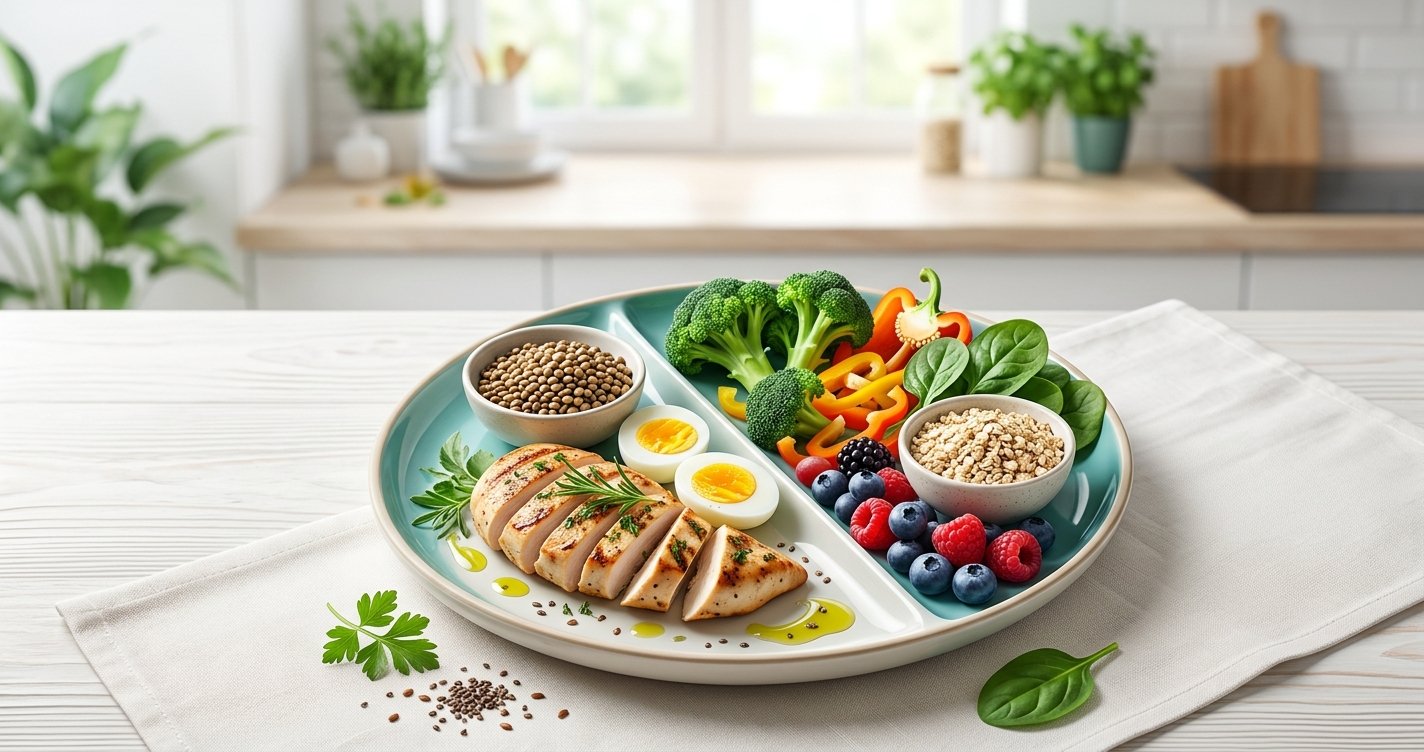
Great Protein Sources: Lean meats (chicken, turkey, beef), fish (salmon, tuna, cod), eggs, dairy (Greek yogurt, cottage cheese), legumes (lentils, beans), tofu, tempeh, quinoa, protein powder.
Fiber: Your Gut's Best Friend and Fat Loss Ally
Often overlooked, fiber is an unsung hero in the fat loss journey. This indigestible carbohydrate plays a vital role in gut health, blood sugar regulation, and, yes, keeping you feeling full and satisfied.
The Satiety Secret Weapon: How Fiber Keeps You Full
Like protein, fiber contributes significantly to satiety, but through a different mechanism. Soluble fiber, found in foods like oats, beans, and apples, forms a gel-like substance in your digestive tract, slowing down digestion and nutrient absorption. This creates a feeling of fullness that lasts longer, reducing the likelihood of overeating. Insoluble fiber, found in whole grains and vegetables, adds bulk to your stool, promoting regularity and contributing to a feeling of fullness.
Blood Sugar Regulation: Taming Cravings
Rapid spikes and crashes in blood sugar can lead to intense cravings, energy dips, and a cycle of unhealthy snacking. Fiber, especially soluble fiber, helps to slow the absorption of sugar into your bloodstream, leading to more stable blood sugar levels. This steady energy flow prevents those dramatic highs and lows, making it easier to manage cravings and stick to your healthy eating plan.
Gut Health and Metabolism: The Underrated Connection
Your gut microbiome – the trillions of bacteria living in your intestines – plays a fascinating and increasingly recognized role in overall health and metabolism. Fiber acts as a prebiotic, feeding these beneficial gut bacteria. A healthy gut microbiome is linked to better digestion, reduced inflammation, and even improved metabolic function, all of which indirectly support sustainable fat loss.
Great Fiber Sources: Vegetables (broccoli, spinach, carrots), fruits (berries, apples, pears), whole grains (oats, brown rice, whole wheat bread), legumes (chickpeas, black beans, lentils), nuts and seeds (chia seeds, flax seeds, almonds).
Synergistic Power: Protein and Fiber Working Together
While protein and fiber are powerful on their own, their true magic unfolds when they are combined. Think of them as a tag team, each amplifying the other's benefits. A meal rich in both protein and fiber provides unparalleled satiety, a sustained metabolic boost, and stable energy levels. This combination makes you feel satisfied, energized, and less prone to cravings, naturally leading to a more manageable calorie intake without feeling deprived.
- Example: Instead of toast with jam (low protein, low fiber), opt for whole-grain toast with avocado and a poached egg (protein, fiber, healthy fats).
- Example: Swap a sugary pastry for Greek yogurt with berries and a sprinkle of chia seeds (protein, fiber).
- Example: A simple salad becomes a fat-loss powerhouse when you add grilled chicken or chickpeas and a variety of colorful veggies (protein, fiber).
Practical Steps to Integrate Protein and Fiber into Your Diet
Ready to put this knowledge into action? Here are simple, actionable steps to make protein and fiber staples in your daily routine:
Start Your Day Right: Protein-Packed Breakfasts
Kickstarting your day with protein and fiber sets the tone for sustained energy and satiety. Think scrambled eggs with spinach, Greek yogurt with berries and nuts, or a protein smoothie with leafy greens.
Snack Smart: Fiber-Rich, Protein-Boosted Options
Mid-morning or afternoon hunger pangs are an opportunity, not a threat. Choose snacks like apple slices with peanut butter, a handful of almonds, cottage cheese with fruit, or baby carrots with hummus.
Build Balanced Meals: The Plate Method
Aim to fill half your plate with non-starchy vegetables (fiber), a quarter with lean protein, and the remaining quarter with complex carbohydrates (more fiber!). This simple visual guide ensures you're getting a good balance at every meal.
Hydration and Mindful Eating: The Supporting Cast
Remember that fiber needs water to work its magic, so drink plenty of fluids throughout the day. Also, practice mindful eating: eat slowly, savor your food, and pay attention to your body's hunger and fullness cues. This helps you recognize when you're truly satisfied.
Beyond the Plate: A Holistic Approach
While optimizing your protein and fiber intake is a massive step towards sustainable fat loss, remember it's part of a larger picture. Prioritizing adequate sleep, managing stress, and incorporating regular physical activity (including strength training to further build and preserve muscle) will amplify your results and contribute to overall well-being. Fat loss isn't just about the number on the scale; it's about building a healthier, stronger, and happier you.
Your Sustainable Fat Loss Journey Starts Now!
Embracing protein and fiber isn't about rigid rules or extreme deprivation; it's about making smart, empowering food choices that nourish your body, satisfy your hunger, and support your long-term health goals. By focusing on these two incredible nutrients, you can transform your relationship with food, boost your metabolism, and finally achieve sustainable fat loss without feeling constantly hungry or restricted. Start small, be consistent, and watch as the power of protein and fiber transforms your journey!