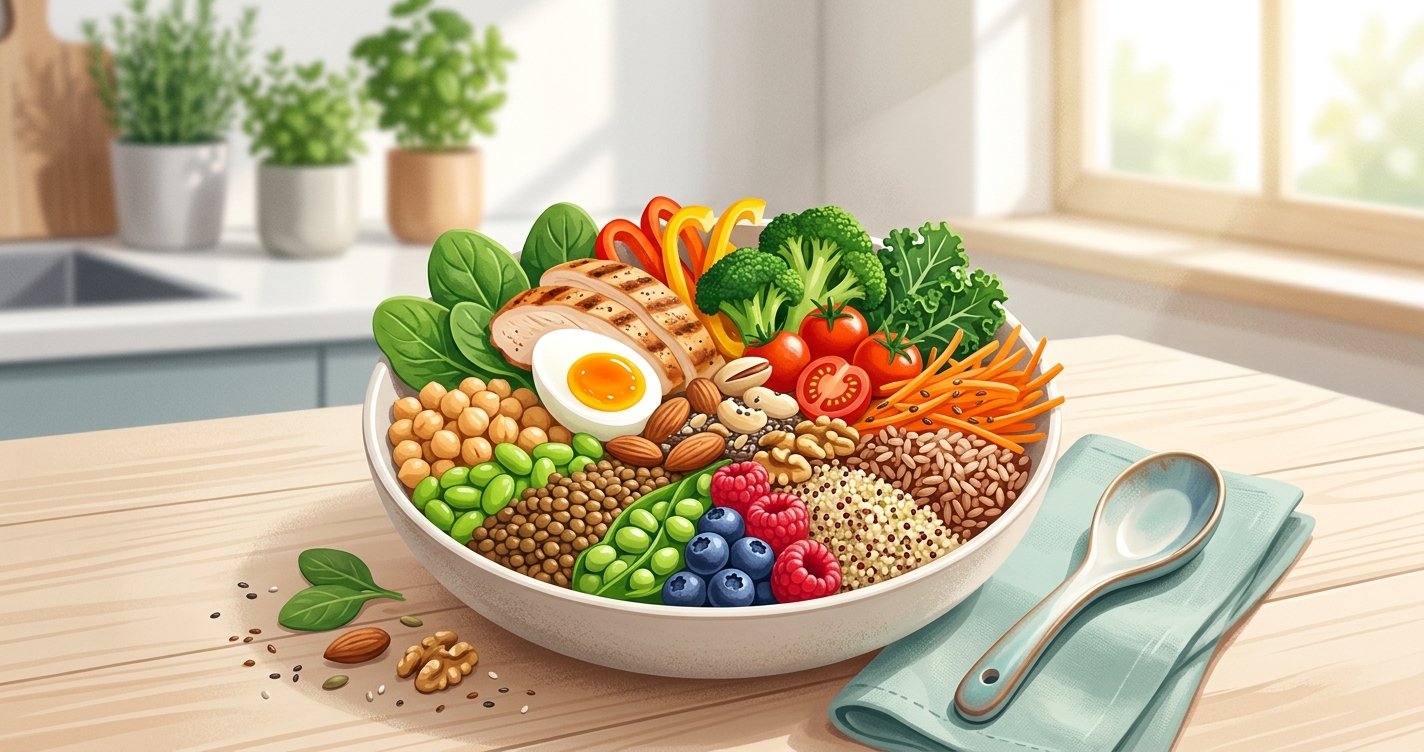
Unlock Sustainable Fat Loss: The Power of Protein & Fiber for a Leaner, Healthier You
Are you tired of the endless cycle of restrictive diets, quick fixes, and disappointing results when it comes to fat loss? You're not alone. Many people struggle to achieve and maintain their desired physique, often because they overlook two of the most powerful, yet simple, nutrients: protein and fiber. These aren't just buzzwords; they are fundamental pillars of a successful, sustainable fat loss journey. Forget extreme deprivation and endless hours on the treadmill – let's dive into how embracing protein and fiber can revolutionize your approach to a leaner, healthier you, backed by science and designed for real life.
Beyond Calories: Why Your Approach to Fat Loss Matters
While a calorie deficit is undeniably necessary for fat loss, focusing solely on calorie counting without considering the quality of those calories can lead to frustration, hunger, and eventually, failure. Many popular diets leave you feeling deprived, leading to binges and a damaged relationship with food. The secret to sustainable fat loss isn't just about eating less; it's about eating smarter. By prioritizing protein and fiber, you naturally create a calorie deficit that feels less like a punishment and more like a nourishing path to your goals. this excellent wellness product
The Problem with Low-Quality Calorie Restriction:
- Constant Hunger: Empty calories leave you feeling unsatisfied, triggering cravings.
- Muscle Loss: Insufficient protein intake during a deficit can lead to losing valuable muscle mass, which slows metabolism.
- Energy Crashes: Lack of balanced nutrients can cause fluctuations in blood sugar and energy levels.
- Nutrient Deficiencies: Restrictive diets often miss essential vitamins and minerals.
Instead, let's build a foundation that supports your body, keeps you full, and fuels your fat loss effectively.
The Protein Powerhouse: Building Blocks for a Leaner You
Protein is much more than just a nutrient for bodybuilders. It's an absolute game-changer for anyone aiming for sustainable fat loss. Here’s why it deserves a prime spot on your plate:
- Super Satiety: Protein is the most satiating macronutrient. Eating enough protein helps you feel full for longer, significantly reducing cravings and the urge to snack unnecessarily. This means fewer calories consumed naturally, without feeling deprived.
- Thermic Effect of Food (TEF): Your body expends energy to digest, absorb, and metabolize food. Protein has the highest TEF, meaning you burn more calories digesting protein than you do fats or carbohydrates. It's a small but consistent metabolic boost!
- Muscle Preservation: When you're in a calorie deficit, your body can sometimes break down muscle tissue for energy, not just fat. Adequate protein intake is crucial for preserving your precious muscle mass. More muscle equals a higher resting metabolism, making it easier to burn calories even at rest.
- Blood Sugar Stability: Protein helps stabilize blood sugar levels, preventing the spikes and crashes that often lead to energy slumps and intense cravings for sugary foods.
How Much Protein Do You Need? A good starting point for fat loss is often recommended to be between 1.6 to 2.2 grams of protein per kilogram of body weight per day. For an average person, this often translates to roughly 100-150 grams or more, depending on activity level and individual needs. Spread your protein intake throughout the day across all your meals and snacks.
Excellent Protein Sources:
- Lean Meats: Chicken breast, turkey, lean beef, pork tenderloin.
- Fish & Seafood: Salmon, tuna, cod, shrimp.
- Eggs: Whole eggs are incredibly versatile and nutrient-dense.
- Dairy: Greek yogurt, cottage cheese, milk.
- Legumes: Lentils, beans, chickpeas (also great for fiber!).
- Plant-Based: Tofu, tempeh, edamame, seitan, protein powders (whey, casein, pea, soy).
Fiber: Your Gut's Best Friend and Fat Loss Ally
Often overlooked, fiber is another unsung hero in the world of fat loss. It's not just about 'regularity' (though it certainly helps with that!); fiber plays a multifaceted role in helping you achieve your body composition goals:
- Enhanced Satiety (Again!): Like protein, fiber adds bulk to your meals without adding significant calories. Soluble fiber, in particular, forms a gel-like substance in your digestive system, slowing down digestion and nutrient absorption. This keeps you feeling fuller for longer, reducing overall calorie intake.
- Blood Sugar Control: Fiber, especially soluble fiber, helps to slow the absorption of sugar into your bloodstream. This prevents rapid blood sugar spikes and subsequent crashes, which can lead to increased hunger and cravings.
- Gut Health Supercharger: A healthy gut microbiome is increasingly linked to better metabolic health and weight management. Fiber acts as a prebiotic, feeding the beneficial bacteria in your gut, which can positively influence appetite regulation, inflammation, and even fat storage.
- Modest Calorie Reduction: Some types of fiber can bind with fats and sugars, slightly reducing the number of calories your body absorbs from your food.
How Much Fiber Do You Need? The general recommendation for adults is around 25-38 grams of fiber per day. Most people consume far less, so gradually increasing your intake is key to avoid digestive discomfort.
Fantastic Fiber Sources:
- Fruits: Berries, apples, pears, oranges, bananas.
- Vegetables: Broccoli, spinach, Brussels sprouts, carrots, sweet potatoes.
- Whole Grains: Oats, quinoa, whole wheat bread/pasta, brown rice.
- Legumes: Black beans, kidney beans, lentils, chickpeas.
- Nuts & Seeds: Almonds, chia seeds, flax seeds, sunflower seeds.
The Dynamic Duo: How Protein and Fiber Work Together
Individually, protein and fiber are powerful. Together, they form an unstoppable team for sustainable fat loss. Imagine starting your day with a meal rich in both – perhaps Greek yogurt with berries and a sprinkle of chia seeds, or scrambled eggs with a side of spinach and whole-grain toast. This combination ensures you're not just full, but truly satisfied, stable, and less likely to reach for unhealthy snacks later.
When combined, they create meals that are:
- Highly Satiating: Doubly effective at keeping hunger at bay.
- Nutrient-Dense: Providing a wide array of vitamins, minerals, and antioxidants.
- Metabolically Favorable: Supporting stable blood sugar and muscle preservation.
- Gut-Friendly: Promoting a healthy digestive system.
Practical Steps: Making Protein and Fiber a Part of Your Daily Life
Ready to harness the power of this dynamic duo? Here are some actionable strategies to boost your protein and fiber intake without feeling overwhelmed:
- Prioritize Protein at Every Meal: Aim for a palm-sized portion of protein (20-30+ grams) with breakfast, lunch, and dinner. Don't skip breakfast protein!
- "Fiber-Up" Your Plate: Make half of your plate non-starchy vegetables at lunch and dinner. Add fruit to your breakfast or as a snack.
- Smart Snacking: Replace processed snacks with protein and fiber-rich options like an apple with a tablespoon of peanut butter, a handful of almonds, Greek yogurt with berries, or hummus with veggie sticks.
- Choose Whole Grains Over Refined: Opt for oats, quinoa, brown rice, and whole-wheat bread instead of their refined counterparts.
- Legumes Are Your Friends: Incorporate beans, lentils, and chickpeas into soups, salads, stews, or as a side dish a few times a week.
- Hydrate, Hydrate, Hydrate: As you increase fiber, it’s crucial to drink plenty of water to aid digestion and prevent discomfort.
- Meal Prep for Success: Dedicate some time each week to prepare protein sources (e.g., grilled chicken, hard-boiled eggs) and chop vegetables so they're ready to grab and go.
- Read Labels: When buying packaged foods, check the nutrition label for protein and fiber content. Aim for products that offer a good amount of both.
The Bottom Line: Patience, Consistency, and Real Results
Embracing protein and fiber isn't a magic bullet for overnight fat loss, but it is a sustainable, evidence-based strategy that delivers lasting results. It's about nourishing your body, feeling satisfied, and building habits that support your health long-term. Be patient with yourself, focus on consistency rather than perfection, and celebrate the small victories along the way.
By making protein and fiber the cornerstones of your diet, you're not just chasing a number on the scale; you're building a stronger, healthier, and more energetic version of yourself. Start small, make gradual changes, and watch as these powerful nutrients transform your fat loss journey into a path of sustainable success and well-being. Your body will thank you!