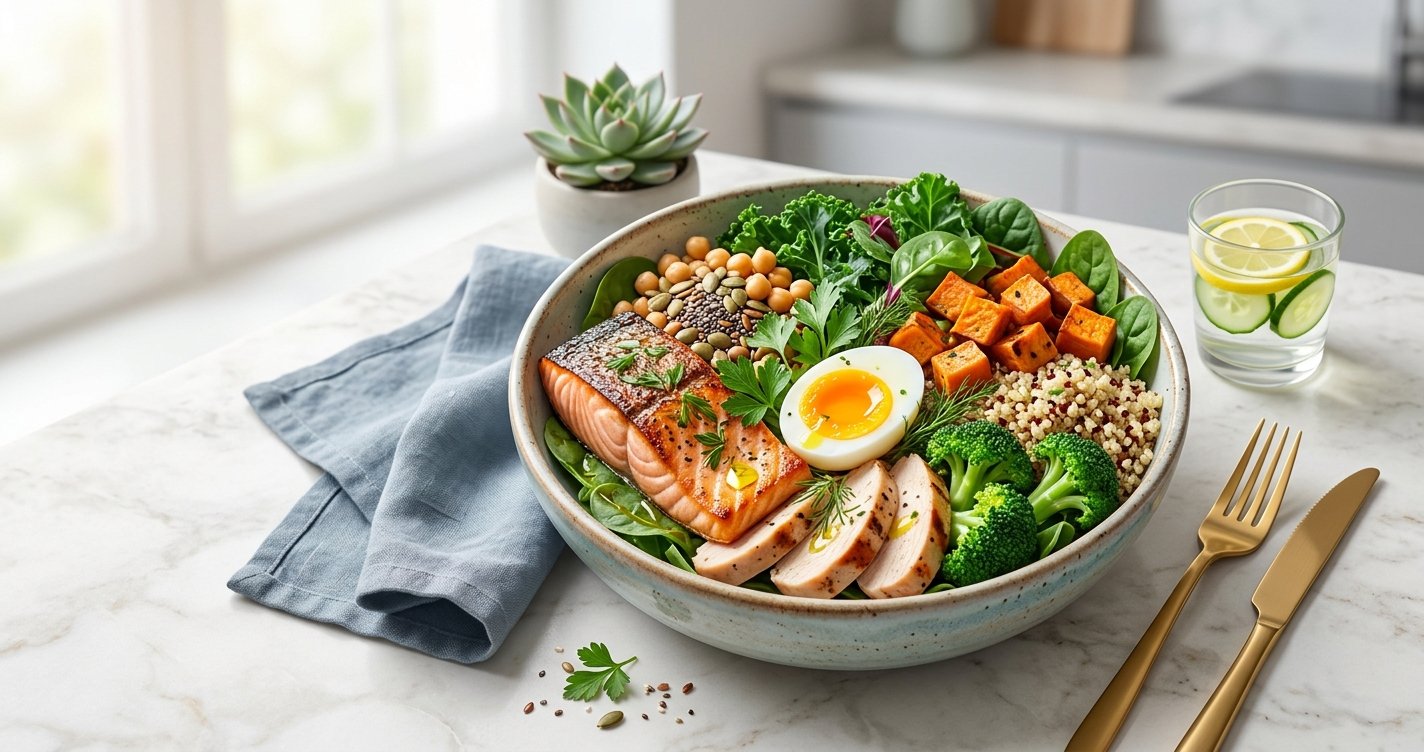
Embarking on a fat loss journey can feel like navigating a complex maze. With countless diets, trendy fads, and conflicting advice, it's easy to get lost and discouraged. Many people focus solely on calorie restriction, which often leads to hunger, deprivation, and ultimately, a rebound effect. But what if we told you there’s a more satisfying, sustainable path? A path paved by two nutritional powerhouses: protein and fiber.
These aren't just buzzwords; they are scientifically proven allies in your quest for lasting fat loss. Forget the restrictive meal plans that leave you feeling empty. Instead, let's explore how strategically incorporating more protein and fiber into your daily diet can transform your body, boost your energy, and keep you feeling full and satisfied. Ready to discover the secret to a healthier, happier you? this excellent wellness product
Why Crash Diets Fail (And What Works Better)
The allure of rapid fat loss is powerful, leading many to extreme calorie deficits or highly restrictive diets. While these methods might show initial results, they are rarely sustainable. Why? Because they often lead to:
- Intense Hunger: Constant deprivation makes adherence nearly impossible.
- Nutrient Deficiencies: Restricting entire food groups can rob your body of essential vitamins and minerals.
- Muscle Loss: Without adequate protein, your body can break down muscle tissue for energy, slowing your metabolism.
- Metabolic Slowdown: Your body adapts to extreme restriction by burning fewer calories.
- Rebound Weight Gain: Once the diet ends, the restrictive habits are hard to maintain, often leading to regaining lost fat, sometimes even more.
Sustainable fat loss isn't about deprivation; it's about smart, strategic eating that fuels your body, satisfies your hunger, and optimizes your metabolism. This is precisely where protein and fiber shine.
Protein: Your Satiety Superpower for Fat Loss
Protein is much more than just a building block for muscles; it's a cornerstone of effective fat loss. Here’s why:
- High Thermic Effect of Food (TEF): Digesting and metabolizing protein requires more energy than carbs or fats. This means you burn more calories just by eating protein!
- Unmatched Satiety: Protein is king when it comes to keeping you full. It signals to your brain that you're satisfied, reducing overall calorie intake throughout the day. Studies consistently show that higher protein diets lead to greater feelings of fullness and reduced cravings.
- Muscle Preservation: When you're in a calorie deficit, your body can sometimes break down muscle along with fat. Adequate protein intake helps preserve lean muscle mass, which is crucial for maintaining a healthy metabolism. More muscle means you burn more calories at rest.
- Blood Sugar Stability: Protein helps stabilize blood sugar levels, preventing the spikes and crashes that can lead to energy dips and intense cravings for sugary snacks.
How much protein? Aim for 0.7 to 1 gram of protein per pound of your target body weight. Spread your intake throughout the day, ensuring each meal contains a good source of protein.
Excellent Protein Sources:
- Lean meats (chicken breast, turkey, lean beef)
- Fish and seafood (salmon, cod, tuna, shrimp)
- Eggs
- Dairy (Greek yogurt, cottage cheese, milk)
- Legumes (lentils, beans, chickpeas)
- Tofu and tempeh
- Protein powder (whey, casein, plant-based)
Fiber: The Unsung Hero of Digestive Health and Fat Loss
Often overlooked, fiber is another nutritional superstar that plays a critical role in sustainable fat loss and overall health. Think of it as nature's broom for your digestive system, but with many more benefits:
- Enhanced Satiety: Fiber adds bulk to your meals without adding significant calories. Soluble fiber, in particular, forms a gel-like substance in your stomach, slowing digestion and keeping you feeling full for longer.
- Blood Sugar Regulation: Similar to protein, fiber helps to slow down the absorption of sugar into your bloodstream. This prevents rapid blood sugar spikes and crashes, which are often followed by intense hunger and cravings.
- Improved Gut Health: Many types of fiber act as prebiotics, feeding the beneficial bacteria in your gut. A healthy gut microbiome is linked to better metabolism, reduced inflammation, and even improved mood – all factors that indirectly support fat loss.
- Reduced Calorie Absorption: Some studies suggest that fiber can slightly reduce the absorption of calories from other foods by binding to fats and sugars, allowing them to pass through the digestive system without being fully absorbed.
How much fiber? Adults should aim for 25-38 grams of fiber per day, but most people fall short. Gradually increase your intake to avoid digestive discomfort.
Fantastic Fiber Sources:
- Fruits (berries, apples, pears, bananas)
- Vegetables (broccoli, spinach, carrots, Brussels sprouts)
- Whole grains (oats, quinoa, brown rice, whole-wheat bread)
- Legumes (beans, lentils, chickpeas)
- Nuts and seeds (chia seeds, flaxseeds, almonds)
The Synergistic Power: Protein and Fiber Together
While protein and fiber are formidable on their own, their true magic unfolds when they are combined. This dynamic duo creates a powerful synergy that amplifies their individual benefits, making your meals incredibly satisfying and your fat loss journey more manageable.
Imagine a meal rich in both: the protein works to curb your appetite through hormonal signals and its high TEF, while the fiber adds physical bulk and slows digestion. This dual action means you'll feel full faster, stay full longer, and experience fewer cravings between meals. This isn't just about feeling good; it's about naturally reducing your overall calorie intake without feeling deprived.
Think about these perfect pairings:
- Greek yogurt with berries and a sprinkle of chia seeds.
- Chicken and vegetable stir-fry with brown rice.
- Lentil soup with a side of whole-grain bread.
- Salmon with roasted asparagus and quinoa.
- Scrambled eggs with spinach and whole-wheat toast.
These combinations aren't just delicious; they are strategic powerhouses designed to keep you feeling energized and on track towards your fat loss goals.
Practical Strategies to Boost Your Protein & Fiber Intake
Integrating more protein and fiber into your daily diet doesn't have to be complicated. Here are some simple, actionable tips:
- Start Your Day Strong: Make breakfast a protein and fiber-rich meal. Think eggs with veggies, Greek yogurt with fruit and nuts, or oatmeal with protein powder and berries.
- Prioritize Protein at Every Meal: Aim to include a lean protein source in all your main meals and snacks. This could be a chicken breast at lunch, fish for dinner, or a handful of almonds as a snack.
- "Crowd Out" with Fiber: Instead of focusing on what to remove, focus on adding more fiber-rich foods. Fill half your plate with non-starchy vegetables at every meal.
- Smart Snacking: Ditch the empty-calorie snacks. Opt for options like apple slices with peanut butter, a hard-boiled egg, cottage cheese with bell peppers, or a handful of mixed nuts.
- Legumes are Your Friends: Incorporate beans, lentils, and chickpeas into salads, soups, stews, or even as a meat substitute.
- Choose Whole Grains: Swap white bread, pasta, and rice for their whole-grain counterparts.
- Hydrate, Hydrate, Hydrate: When increasing fiber, it’s crucial to drink plenty of water to help it move through your digestive system smoothly and prevent discomfort.
- Read Food Labels: Pay attention to the protein and fiber content per serving when grocery shopping.
Beyond the Plate: Lifestyle Factors for Holistic Fat Loss
While protein and fiber are nutritional superstars, remember that sustainable fat loss is a holistic journey. These dietary changes will be even more effective when supported by healthy lifestyle habits:
- Adequate Sleep: Poor sleep disrupts hunger hormones (ghrelin and leptin), leading to increased cravings and appetite. Aim for 7-9 hours of quality sleep per night.
- Stress Management: Chronic stress elevates cortisol levels, which can promote fat storage, especially around the midsection. Incorporate stress-reducing activities like meditation, yoga, or spending time in nature.
- Regular Movement: While diet is key for fat loss, physical activity, especially strength training, helps build and maintain muscle mass, boosting your metabolism and improving body composition. Cardio is also great for overall health and burning extra calories.
Embracing these lifestyle factors alongside your dietary changes will create a powerful foundation for not just fat loss, but for long-term health and well-being.
Your Journey to Sustainable Fat Loss Starts Now
Fat loss doesn't have to be a battle against hunger and deprivation. By harnessing the incredible power of protein and fiber, you can transform your approach to eating, feel satisfied, and achieve sustainable results. These nutrients are your allies, working synergistically to boost your metabolism, curb your appetite, and support your overall health.
Start small, make gradual changes, and focus on consistency. Instead of chasing quick fixes, commit to nourishing your body with nutrient-dense foods. Embrace the journey, listen to your body, and celebrate every step of your progress. You have the power to create lasting change, and with protein and fiber on your side, you're well-equipped for success!