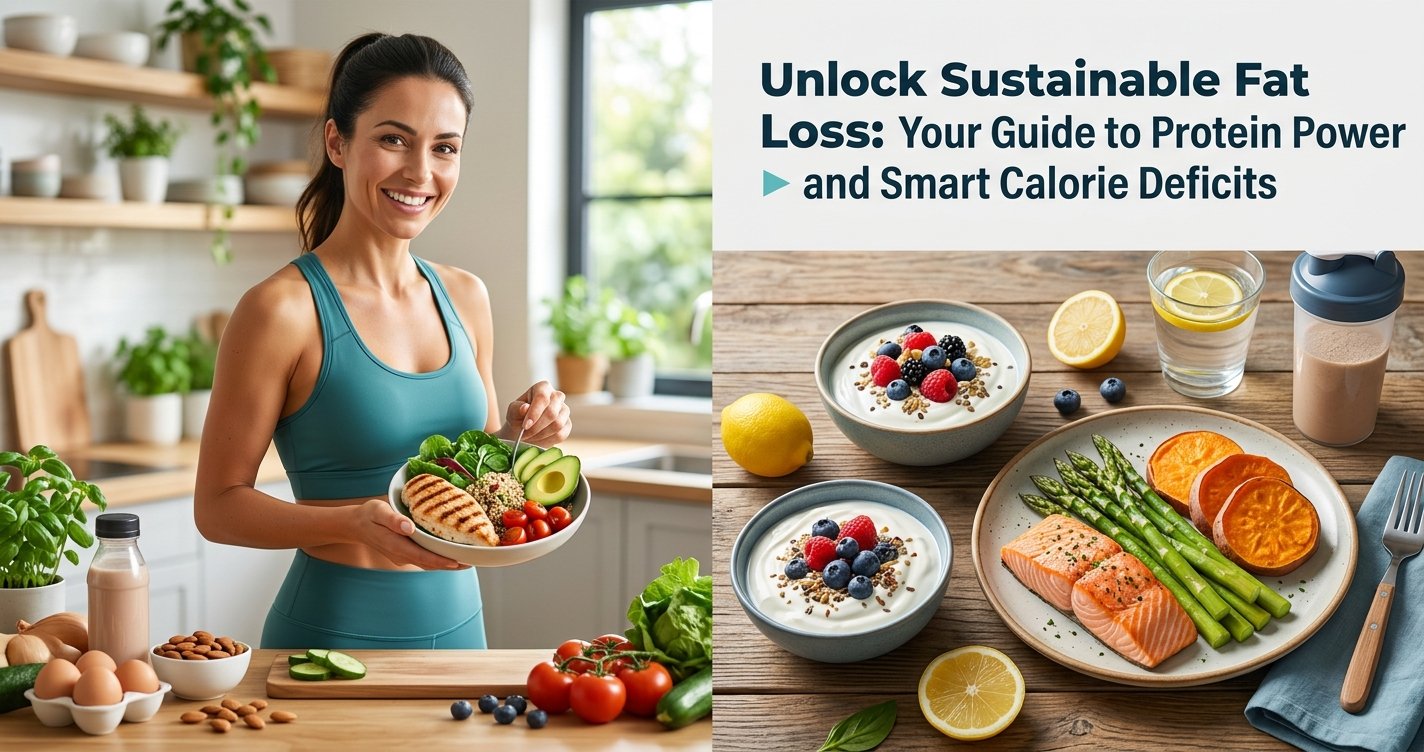
Unlock Sustainable Fat Loss: Your Guide to Protein Power and Smart Calorie Deficits
Are you tired of the endless cycle of crash diets, quick fixes, and the frustration of losing weight only to gain it back? It's a common story, and if it resonates with you, know that you're not alone. The truth is, sustainable fat loss isn't about deprivation or extreme measures; it's about understanding your body and fueling it intelligently. Today, we're going to dive deep into two of the most powerful, evidence-based tools for lasting fat loss: the incredible power of protein and the strategic art of the calorie deficit.
Forget the fads and prepare to build a foundation that truly works. This isn't just about shedding pounds; it's about transforming your body composition, boosting your energy, and cultivating habits that support a healthier, happier you for the long haul. Let's unlock the secrets to sustainable success together! this excellent wellness product
The Foundation: Understanding Sustainable Fat Loss
Before we jump into the nitty-gritty, let's clarify what we mean by 'sustainable fat loss.' This isn't just about seeing a lower number on the scale. True fat loss focuses on reducing your body's fat mass while ideally preserving or even building lean muscle mass. Why is this distinction crucial? Because losing muscle along with fat can slow down your metabolism and make it harder to maintain your results.
Sustainability means creating a lifestyle that you can genuinely stick with, not just for a few weeks, but indefinitely. It's about making gradual, manageable changes that integrate seamlessly into your daily life, preventing the dreaded 'yo-yo' effect that leaves so many feeling defeated. The core principle behind any fat loss, sustainable or otherwise, is energy balance: you must consume fewer calories than your body expends. This creates a 'calorie deficit,' forcing your body to tap into its stored fat reserves for energy.
Protein: Your Fat Loss Powerhouse
If there's one nutrient that deserves a standing ovation in the realm of fat loss, it's protein. Often associated solely with bodybuilders, protein is a vital macronutrient that plays a critical, multifaceted role in helping you achieve and maintain a leaner physique. Let's break down why it's so indispensable.
Satiety & Hunger Control: Keep Cravings at Bay
One of protein's most celebrated benefits is its remarkable ability to keep you feeling full and satisfied. Compared to carbohydrates and fats, protein has a higher satiety index, meaning it reduces hunger more effectively. When you incorporate sufficient protein into your meals, you're less likely to experience those nagging cravings or succumb to overeating later in the day. This natural appetite suppression is a game-changer for adhering to a calorie deficit without feeling constantly hungry.
Preserving Muscle Mass: Fueling Your Metabolism
During a calorie deficit, your body naturally tries to break down tissue for energy. Without adequate protein, some of that tissue can unfortunately be precious muscle. Muscle is metabolically active, meaning it burns more calories at rest than fat does. By consuming enough protein, especially when combined with resistance training, you signal to your body to preserve that muscle, ensuring your metabolism stays humming along efficiently even as you lose fat.
Thermogenic Effect of Food (TEF): The Metabolic Advantage
Did you know that simply digesting food burns calories? This is known as the Thermic Effect of Food (TEF). Protein has the highest TEF of all macronutrients, meaning your body expends more energy to process and utilize protein compared to carbs or fats. While the difference might seem small per meal, over the course of a day and weeks, this metabolic boost can contribute significantly to your overall calorie expenditure, giving you a slight edge in your fat loss journey.
Recommended Intake: How Much Do You Really Need?
For optimal fat loss and muscle preservation, current evidence suggests a protein intake higher than the standard dietary reference intake. Aim for approximately 1.6 to 2.2 grams of protein per kilogram (or 0.7 to 1 gram per pound) of your target body weight per day. For example, a person weighing 70kg (154 lbs) might aim for 112-154 grams of protein daily, spread across meals and snacks.
- Practical Protein Sources:
- Lean Meats: Chicken breast, turkey, lean beef, pork tenderloin.
- Fish & Seafood: Salmon, tuna, cod, shrimp.
- Eggs: Whole eggs are incredibly versatile and nutrient-dense.
- Dairy: Greek yogurt, cottage cheese, milk, whey protein powder.
- Legumes: Lentils, beans, chickpeas (great for plant-based options).
- Plant-Based: Tofu, tempeh, edamame, seitan, quinoa.
Mastering the Calorie Deficit: Not All Deficits Are Equal
The concept of a calorie deficit is simple: eat less energy than your body burns. However, implementing it effectively and sustainably requires a nuanced approach. It's not about starving yourself; it's about smart, strategic reduction.
Finding Your Sweet Spot: Estimating Your Maintenance Calories
Your maintenance calories are the amount of energy your body needs to maintain its current weight. This is your Total Daily Energy Expenditure (TDEE). While exact calculations can be complex, you can get a good estimate using online calculators or by tracking your current intake for a week and seeing if your weight remains stable. Factors like age, sex, weight, height, and activity level all play a role.
The "Right" Deficit Size: Gentle, Not Drastic
Once you have an idea of your maintenance calories, you'll want to create a deficit. For most people, a deficit of 300-500 calories below maintenance is ideal for sustainable fat loss. This typically results in a loss of 0.5 to 1 pound of fat per week. A moderate deficit is crucial because:
- It allows you to still consume enough food to get essential nutrients.
- It minimizes muscle loss.
- It's easier to adhere to long-term without feeling overly deprived.
- It helps prevent metabolic adaptation from slowing your metabolism too much.
Tracking & Adjusting: The Evolving Equation
Your body is not a static machine. As you lose weight, your maintenance calories will decrease. This means what was once a 500-calorie deficit might become a 300-calorie deficit over time. Regularly track your progress (weight, measurements, how your clothes fit) and be prepared to adjust your calorie intake downwards slightly as you get closer to your goals. Tools like food tracking apps can be incredibly helpful for understanding your intake, but remember they are guides, not rigid rules.
- Tips for Creating a Sustainable Deficit:
- Prioritize Whole, Unprocessed Foods: These are naturally more filling and nutrient-dense, making it easier to eat less without feeling hungry.
- Watch Liquid Calories: Sugary drinks, specialty coffees, and alcohol can add hundreds of calories without providing much satiety.
- Mind Your Portions: Even healthy foods can contribute to a surplus if eaten in excess.
- Increase Fiber Intake: Fiber-rich foods (fruits, vegetables, whole grains) also contribute to satiety and digestive health.
Bringing It All Together: Synergistic Strategies
While protein and calorie deficits are foundational, their power is amplified when combined with other smart strategies.
Combine Protein & Fiber for Maximum Satiety
Pairing protein with fiber-rich foods (like lean chicken and a large salad, or Greek yogurt with berries) creates a powerful duo for satiety. Fiber adds bulk to your meals, slowing digestion and further enhancing that feeling of fullness, making it even easier to stick to your deficit.
Prioritize Whole Foods: Nutrient Density Over Empty Calories
Focusing on whole, unprocessed foods like lean proteins, vegetables, fruits, and whole grains ensures you're getting a broad spectrum of vitamins, minerals, and antioxidants. These nutrient-dense choices support overall health, energy levels, and make it far easier to stay within your calorie goals compared to relying on highly processed, calorie-dense, nutrient-poor options.
Hydration is Key: The Often Overlooked Element
Drinking plenty of water throughout the day is crucial. Sometimes, thirst can be mistaken for hunger. Staying well-hydrated not only supports metabolic function but can also help you feel fuller, especially if you drink a glass of water before meals.
Don't Forget Strength Training: Build & Preserve
While nutrition creates the deficit, strength training is the best way to ensure that the weight you're losing is primarily fat, not muscle. Lifting weights helps preserve existing muscle mass and can even build new muscle, further boosting your metabolism and shaping your physique. Aim for 2-3 full-body strength training sessions per week.
Mindful Eating Practices: Tune Into Your Body
Beyond what you eat, how you eat matters. Practice mindful eating by paying attention to your body's hunger and fullness cues. Eat slowly, savor your food, and put away distractions. This can help prevent overeating and enhance your enjoyment of meals within your calorie goals.
Common Pitfalls and How to Avoid Them
Even with the best intentions, the path to fat loss can have bumps. Being aware of common mistakes can help you navigate them effectively.
Over-restricting: The Binge-Restrict Cycle
Trying to create too large of a calorie deficit often backfires. Extreme restriction can lead to intense cravings, fatigue, irritability, and eventually, uncontrolled binges that undo your progress. Remember, slow and steady wins the race.
Ignoring Hunger Cues (or Misinterpreting Them)
It's okay to feel a little hungry sometimes, especially when in a deficit. However, chronic, debilitating hunger signals that your deficit might be too aggressive or that you're not choosing satiating foods. Also, learn to differentiate between true physical hunger and emotional hunger (boredom, stress, habit).
Lack of Consistency: The Biggest Enemy
Fat loss is not a linear process. There will be days when you're perfectly on track and days when you slip up. The key is consistency over time. One "bad" meal or day won't derail your entire journey, but consistently abandoning your plan will. Get back on track at your next meal.
Underestimating Calories: Hidden Traps
It's easy to underestimate the calories in sauces, dressings, cooking oils, snacks, and "healthy" treats. Even a small handful of nuts or an extra drizzle of olive oil can add significant calories. Be diligent, especially when starting out, to measure and track accurately.
Conclusion
Achieving sustainable fat loss doesn't have to be a confusing or punishing endeavor. By harnessing the proven power of protein and intelligently managing your calorie intake, you're equipping yourself with the most effective tools to transform your body and health for the long term. This isn't about chasing a fleeting number; it's about building a healthier relationship with food, understanding your body's needs, and making informed choices that empower you every single day.
Remember, patience, consistency, and a holistic approach that includes strength training, hydration, and mindful eating will be your greatest allies. You have the knowledge and the power to achieve lasting, sustainable fat loss. Start applying these principles today, and watch as you build a stronger, leaner, and more vibrant you!