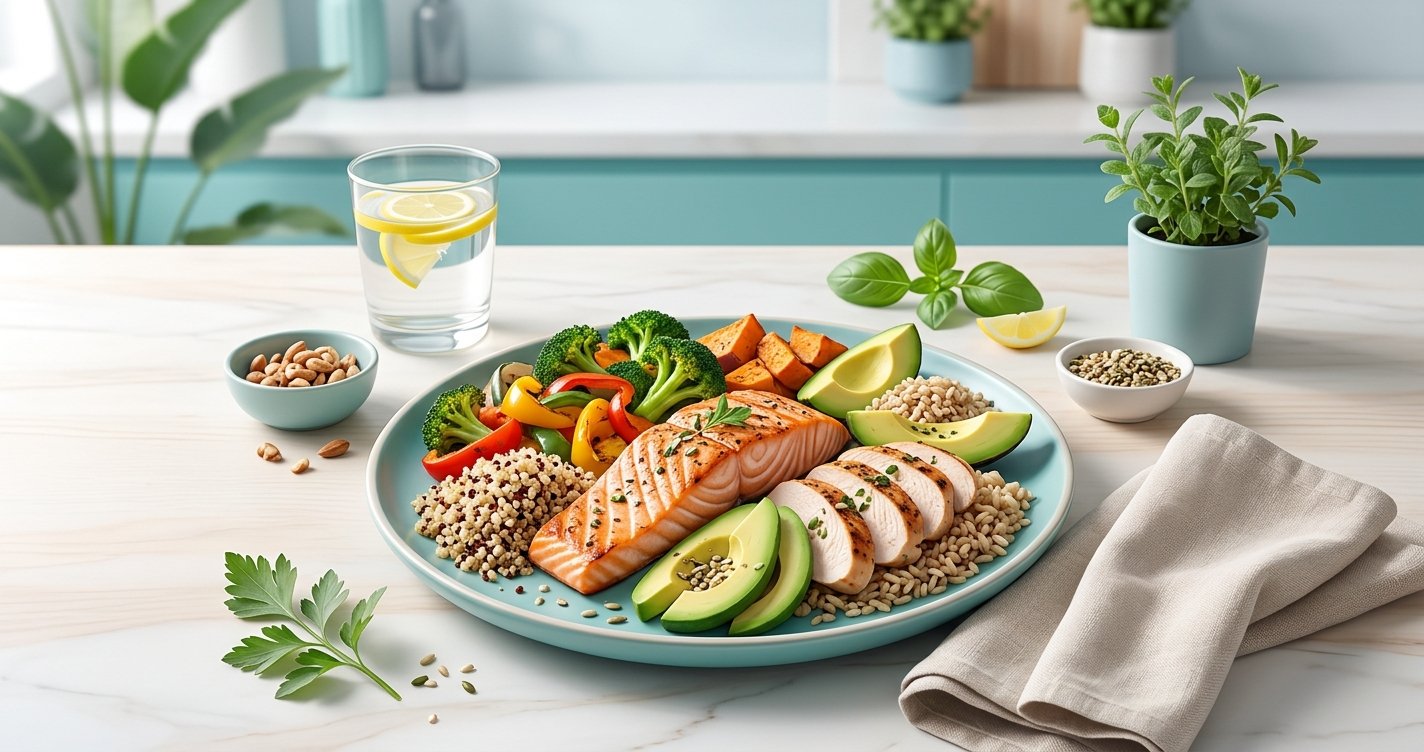
Tired of restrictive diets that promise quick fixes only to leave you frustrated and heavier than before? You’re not alone. The journey to fat loss doesn't have to be a constant battle against hunger and deprivation. The secret to lasting success lies not in extreme measures, but in understanding and applying two fundamental, evidence-based principles: creating a smart calorie deficit and harnessing the incredible power of protein. This isn't just about losing weight; it's about building a healthier, stronger, and more energetic you, sustainably. Let's dive in!
The Non-Negotiable Foundation: Understanding the Calorie Deficit
At its core, fat loss is a simple equation: you must consume fewer calories than your body burns. This state is known as a 'calorie deficit.' Think of your body as a car and calories as fuel. If you put in less fuel than you use, your car will eventually dip into its reserves – and for your body, those reserves are stored fat. this excellent wellness product
While the concept is simple, the execution needs to be smart. A drastic calorie deficit might lead to rapid initial weight loss, but it often comes at the cost of muscle mass, nutrient deficiencies, and a plummeting metabolism, making it incredibly difficult to sustain and often leading to rebound weight gain.
How to Create a Smart Calorie Deficit (Not a Crash Diet!)
- Calculate Your Starting Point: Estimate your Total Daily Energy Expenditure (TDEE) using an online calculator. This tells you how many calories your body burns in a day, factoring in your basal metabolic rate and activity level.
- Aim for a Moderate Deficit: A safe and sustainable deficit is typically 250-500 calories below your TDEE. This allows for steady fat loss (around 0.5-1 pound per week) while preserving muscle and energy levels.
- Track Initially: For a few days or weeks, use an app (like MyFitnessPal or Cronometer) to track your food intake. This helps you understand portion sizes and the calorie content of your regular meals. It's an educational tool, not necessarily a lifelong commitment.
- Focus on Whole Foods: Prioritize nutrient-dense foods like fruits, vegetables, lean proteins, and whole grains. These offer more volume and nutrients for fewer calories compared to highly processed options.
Remember, consistency is key. Small, manageable changes you can stick with long-term will always trump extreme, short-lived efforts.
The Mighty Macronutrient: Why Protein is Your Fat Loss Best Friend
While a calorie deficit sets the stage, protein is the unsung hero that ensures you're losing fat, not valuable muscle, and staying satisfied along the way. It’s not just for bodybuilders; it's essential for anyone serious about sustainable fat loss.
Protein's Triple Threat for Fat Loss
-
Satiety Superstar: Protein is the most satiating macronutrient. Eating enough protein helps you feel fuller for longer, significantly reducing cravings and the urge to overeat. Studies consistently show that higher protein diets lead to greater reductions in appetite and overall calorie intake.
-
Thermogenic Effect (TEF): Your body expends energy to digest, absorb, and metabolize food. This is known as the Thermic Effect of Food (TEF). Protein has a significantly higher TEF than carbohydrates or fats, meaning you burn more calories just by digesting it. Approximately 20-30% of the calories from protein are used in this process, compared to 5-10% for carbs and 0-3% for fats.
-
Muscle Preservation: When you're in a calorie deficit, your body might try to break down muscle tissue for energy, especially if protein intake is low. Adequate protein intake signals to your body to preserve muscle mass, ensuring that the weight you lose is primarily fat. Maintaining muscle is crucial because muscle tissue burns more calories at rest than fat tissue, helping to keep your metabolism humming.
How Much Protein Do You Really Need?
While general dietary guidelines suggest around 0.8 grams of protein per kilogram of body weight for sedentary individuals, those actively pursuing fat loss and preserving muscle should aim higher. A good target range is often 1.6 to 2.2 grams of protein per kilogram of body weight (or roughly 0.7 to 1.0 gram per pound of body weight). For example, a person weighing 150 pounds (68 kg) might aim for 105-150 grams of protein per day.
Spread your protein intake throughout the day across all your meals and snacks to maximize its benefits for satiety and muscle protein synthesis.
Practical Strategies to Boost Your Protein Intake
Integrating more protein into your diet doesn't have to be complicated or bland. Here are some easy ways:
- Prioritize Protein at Every Meal: Start your day with eggs, Greek yogurt, or a protein smoothie. Include lean meats (chicken, turkey, fish, lean beef), tofu, tempeh, or legumes in your lunch and dinner.
- Smart Snacking: Swap chips or cookies for protein-rich snacks like cottage cheese, a handful of almonds, a hard-boiled egg, or a protein bar.
- Meal Prep: Cook larger batches of protein sources (e.g., grilled chicken, roasted chickpeas) at the beginning of the week to easily add to meals.
- Explore Plant-Based Options: Lentils, beans, quinoa, edamame, and various nuts and seeds are excellent sources of plant-based protein.
- Consider Supplements (If Needed): While whole foods are always best, protein powder can be a convenient way to meet your daily targets, especially after workouts or for quick snacks.
Beyond Calories and Protein: Other Pillars of Sustainable Fat Loss
While calorie deficits and protein are paramount, other lifestyle factors play a significant supporting role in your fat loss journey.
Fiber-Rich Foods for Satiety and Gut Health
Fiber, found in fruits, vegetables, whole grains, and legumes, adds bulk to your meals, helping you feel full without adding many calories. It also supports a healthy gut microbiome, which is increasingly linked to metabolic health and weight management.
Hydration is Key
Drinking plenty of water is essential. It supports metabolism, helps with nutrient transport, and can even aid in satiety. Often, thirst can be mistaken for hunger, leading to unnecessary snacking. Aim for at least 8 glasses (around 2 liters) per day.
The Importance of Sleep and Stress Management
Lack of sleep and chronic stress can wreak havoc on your hormones, particularly cortisol and ghrelin (the hunger hormone), making fat loss incredibly challenging. Prioritize 7-9 hours of quality sleep and incorporate stress-reducing activities like meditation, yoga, or spending time in nature.
Incorporating Smart Movement
While fat loss starts in the kitchen, exercise complements it beautifully. Strength training, in particular, is vital for building and preserving muscle mass, which boosts your metabolism. Cardiovascular exercise contributes to your calorie deficit and improves overall cardiovascular health.
Putting It All Together: Your Sustainable Fat Loss Roadmap
Achieving sustainable fat loss isn't about perfection; it's about consistency and patience. Here’s how to bring these strategies into your daily life:
- Start Small: Don't try to overhaul everything at once. Begin by tracking your food for a few days to get an accurate baseline.
- Prioritize Protein: Make sure protein is a significant component of every meal.
- Smart Swaps: Replace high-calorie, low-nutrient foods with whole, fiber-rich, and protein-packed alternatives.
- Stay Hydrated: Keep a water bottle handy throughout the day.
- Listen to Your Body: Pay attention to genuine hunger cues versus emotional eating.
- Be Patient and Consistent: Fat loss is a marathon, not a sprint. Celebrate small victories and don't get discouraged by minor setbacks.
Conclusion
Sustainable fat loss is within your reach, and it doesn't require extreme diets or endless hours at the gym. By understanding the power of a smart calorie deficit and prioritizing protein in your diet, you're laying a solid, evidence-based foundation for lasting results. Combine these nutritional pillars with good hydration, adequate sleep, stress management, and consistent movement, and you'll not only shed unwanted fat but also cultivate a healthier, happier relationship with your body. Embrace this journey with a friendly, encouraging mindset, and watch yourself transform!