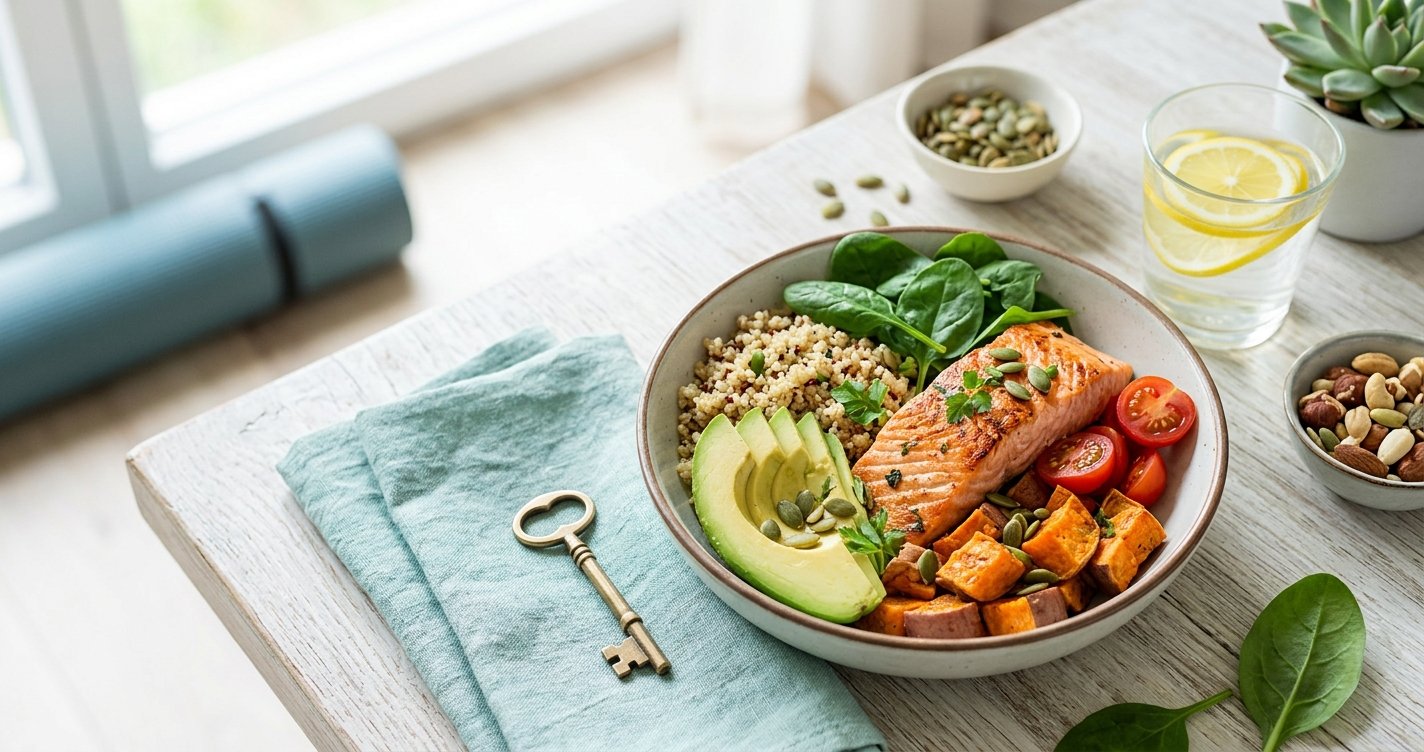
Are you tired of the endless cycle of restrictive diets, quick fixes, and the frustration of losing weight only to gain it back? You're not alone. Many people struggle with fat loss, often feeling like they're fighting an uphill battle against their own body. But what if there was a powerful, science-backed ally that could make your journey not just easier, but also more sustainable and enjoyable? Enter protein.
Protein isn't just for bodybuilders; it's a fundamental macronutrient crucial for everyone, especially those aiming for effective and lasting fat loss. It’s a game-changer that helps you feel fuller, preserve muscle, and even burn more calories. In this friendly, evidence-based guide, we'll explore why protein is your ultimate secret weapon for achieving your fat loss goals and how you can easily incorporate more of it into your daily life. Get ready to transform your approach to a leaner, healthier you! this excellent wellness product
Why Protein is Your Fat Loss MVP (Most Valuable Player)
When it comes to shedding body fat and maintaining a healthy weight, protein stands out from carbohydrates and fats for several compelling reasons. Understanding these benefits can empower you to make smarter dietary choices.
1. The Satiety Superstar: Feeling Full, Longer
One of the biggest challenges in fat loss is managing hunger and cravings. This is where protein truly shines. Protein has a remarkable ability to increase satiety, meaning it keeps you feeling full and satisfied for longer periods compared to carbs or fats. When you eat protein, it triggers the release of hormones like GLP-1 and PYY, which signal to your brain that you're full. This natural appetite suppression can significantly reduce your overall calorie intake without feeling deprived, making it easier to stick to your fat loss plan.
2. The Thermogenic Powerhouse: Burning More Calories
Did you know that your body expends energy just to digest, absorb, and metabolize the food you eat? This is known as the Thermic Effect of Food (TEF). Protein has a significantly higher TEF than carbohydrates or fats. While fats have a TEF of 0-3% and carbs 5-10%, protein boasts a TEF of 20-30%! This means that for every 100 calories of protein you consume, your body uses 20-30 calories just to process it. While not a massive burner on its own, this subtle boost adds up over time, contributing to an increased daily calorie expenditure and supporting your fat loss efforts.
3. Muscle Preservation: Protecting Your Metabolism
When you're in a calorie deficit to lose weight, your body doesn't just burn fat; it can also start breaking down muscle tissue for energy. This is problematic because muscle is metabolically active, meaning it burns more calories at rest than fat does. Losing muscle can slow down your metabolism, making future fat loss harder and increasing the risk of weight regain. A higher protein intake, especially when combined with strength training, helps signal your body to preserve precious muscle mass, ensuring that the weight you lose is primarily fat, not muscle. This is key for sustainable fat loss and a healthy metabolism.
How Much Protein Do You Really Need? (Evidence-Based Guidelines)
So, you're convinced protein is important – but how much is enough? General dietary recommendations might suggest a lower intake, but for optimal fat loss and muscle preservation, research points to higher amounts.
- For Fat Loss: A widely accepted guideline for active individuals aiming for fat loss is to consume between 1.6 to 2.2 grams of protein per kilogram of body weight (or roughly 0.7 to 1 gram per pound of body weight) per day. For example, if you weigh 70 kg (about 154 lbs), you'd aim for 112-154 grams of protein daily.
- Factors Influencing Needs: Your activity level plays a significant role. If you engage in intense strength training or endurance sports, your protein needs might be at the higher end of the spectrum. Age can also be a factor, as older adults may benefit from slightly higher protein intake to combat age-related muscle loss (sarcopenia).
- Dispelling Myths: Concerns about high protein intake damaging kidneys are largely unfounded for healthy individuals with normal kidney function. Numerous studies have shown that high protein diets are safe and effective for the general population. However, always consult with a healthcare professional if you have pre-existing kidney conditions.
Smart Protein Choices: Fueling Your Body Right
Now that you know how much protein you need, let's talk about where to get it. The good news is there are plenty of delicious and nutritious options!
Animal-Based Protein Sources:
- Lean Meats: Chicken breast, turkey, lean beef (sirloin, round), pork loin.
- Fish and Seafood: Salmon, tuna, cod, shrimp, scallops. These are also excellent sources of omega-3 fatty acids.
- Eggs: A complete protein source, versatile and affordable.
- Dairy: Greek yogurt, cottage cheese, milk, whey protein (great for post-workout).
Plant-Based Protein Sources:
For our vegetarian and vegan friends, or anyone looking to diversify their protein intake, there are fantastic plant-based options:
- Legumes: Lentils, chickpeas, black beans, kidney beans.
- Soy Products: Tofu, tempeh, edamame.
- Grains: Quinoa, oats, brown rice (contain some protein, but best combined with other sources).
- Nuts and Seeds: Almonds, peanuts, chia seeds, flax seeds (also provide healthy fats).
- Plant-Based Protein Powders: Pea, rice, or soy protein powders can be a convenient way to boost intake.
Practical Tips for Upping Your Protein Intake
Incorporating more protein into your diet doesn't have to be complicated. Here are some simple, actionable tips:
- Prioritize Protein at Every Meal: Aim to include a significant source of protein in your breakfast, lunch, and dinner. Start your day with eggs or Greek yogurt instead of just toast.
- Smart Snacking: Swap sugary snacks for protein-rich options like a handful of almonds, a hard-boiled egg, cottage cheese, or a protein bar.
- Meal Prep for Success: Cook a batch of chicken breast or lean ground turkey at the beginning of the week to easily add to salads, wraps, or stir-fries.
- Shake It Up: A protein shake can be a quick and easy way to get a substantial protein boost, especially after a workout or when you're on the go.
- Be Mindful of Portions: A serving of protein is roughly the size of your palm. Aim for 20-30 grams of protein per meal to maximize muscle protein synthesis and satiety.
Beyond Protein: A Holistic Approach to Fat Loss
While protein is undeniably a powerful tool for fat loss, it's essential to remember that it's part of a larger picture. For truly sustainable and healthy fat loss, consider these complementary factors:
- Strength Training: Lifting weights is crucial for building and preserving muscle mass, which directly supports a higher metabolism and a leaner physique.
- Balanced Diet: Don't forget healthy fats and complex carbohydrates! They provide energy, essential nutrients, and contribute to overall well-being. Focus on whole, unprocessed foods.
- Adequate Sleep: Poor sleep can wreak havoc on your hormones, increasing hunger and making fat loss significantly harder. Aim for 7-9 hours of quality sleep per night.
- Hydration: Drinking enough water supports metabolism, helps with satiety, and is vital for overall bodily functions.
- Stress Management: Chronic stress can elevate cortisol levels, potentially leading to increased fat storage, especially around the midsection. Find healthy ways to manage stress, such as meditation, yoga, or spending time in nature.
Your Journey to Sustainable Fat Loss Starts Now!
Embracing protein as a cornerstone of your diet is a simple yet incredibly effective strategy for achieving sustainable fat loss. It empowers you to manage hunger, protect your metabolism, and feel energized throughout your day. Remember, this isn't about deprivation; it's about nourishing your body with what it needs to thrive.
Start by making small, consistent changes. Add an extra serving of protein to one meal today. Swap a sugary snack for a protein-rich option tomorrow. Over time, these small steps will build into significant progress. You have the power to transform your body and your health, and protein is ready to be your steadfast ally on this exciting journey. You've got this!