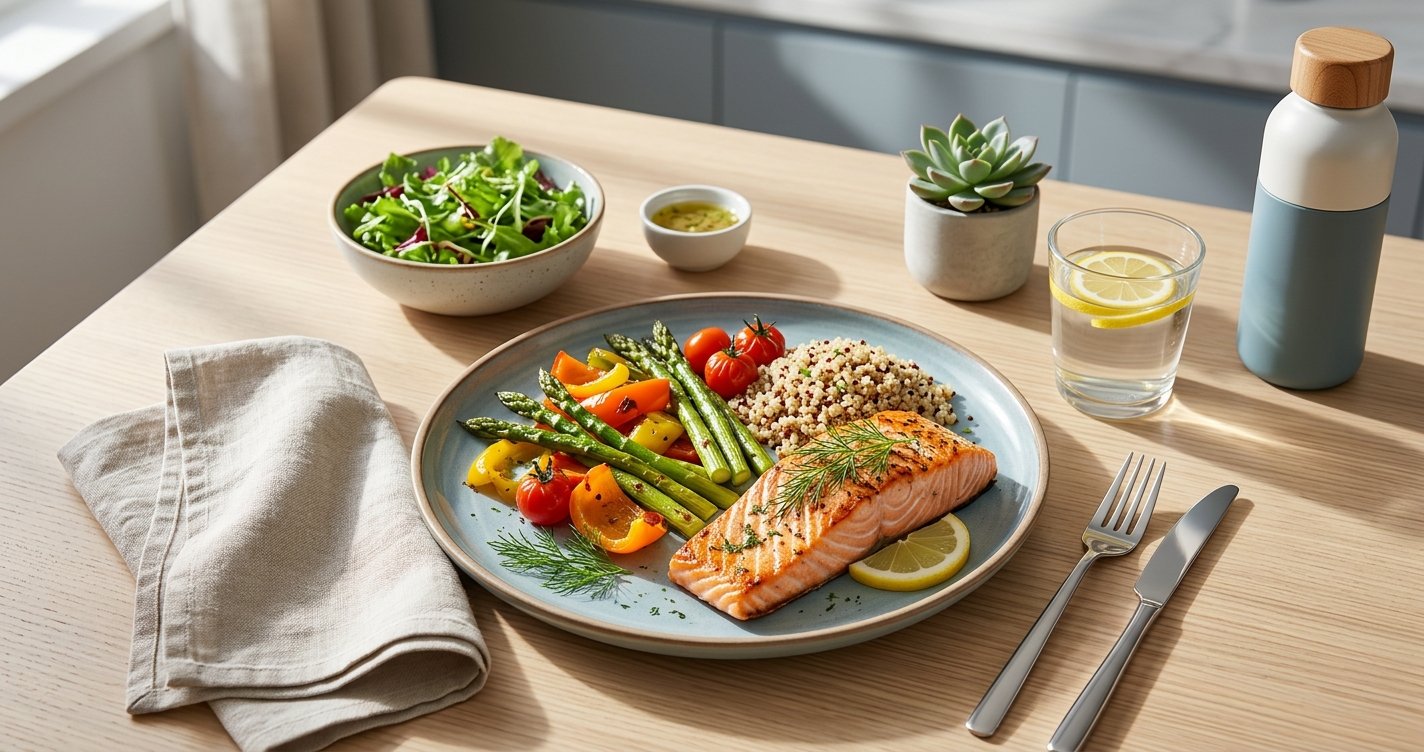
Unlock Sustainable Fat Loss: The Power of Protein & Smart Calorie Deficits
Hey there, future you! Are you tired of the endless cycle of restrictive diets, quick fixes, and disappointing results when it comes to fat loss? You're not alone. Many people embark on a fat loss journey feeling overwhelmed and confused by conflicting information.
But what if I told you there’s a simpler, more sustainable path? A path rooted in science, focusing on two incredibly powerful nutritional pillars: a smart caloric deficit and the undeniable power of protein. This isn't about deprivation; it's about intelligent eating that fuels your body, keeps you full, and helps you shed unwanted fat without sacrificing your sanity. Ready to learn how to make fat loss feel less like a battle and more like a journey of empowerment? Let's dive in! this excellent wellness product
The Foundation of Fat Loss: Understanding the Caloric Deficit
Before we talk about anything else, it’s crucial to understand the golden rule of fat loss: you must be in a caloric deficit. Simply put, this means consuming fewer calories than your body burns in a day. Think of it like a bank account: if you spend more than you earn, your balance goes down. With your body, if you burn more calories than you consume, your body taps into its stored energy (fat) to make up the difference.
Forget trendy diets that promise magic. While they might help you shed water weight initially, sustainable fat loss always comes back to this fundamental principle. But here’s the key: it needs to be a smart and moderate deficit. Cutting too many calories can backfire, leading to muscle loss, nutrient deficiencies, fatigue, and making your plan unsustainable.
How do you find your sweet spot? Start by estimating your Total Daily Energy Expenditure (TDEE) – the total calories your body burns through basal metabolism, daily activities, and exercise. Online calculators can give you a good starting point. Once you have your TDEE, aim for a deficit of 250-500 calories per day. This gradual approach allows for steady fat loss (typically 0.5-1 pound per week) while preserving muscle mass and keeping your energy levels stable.
Your Secret Weapon: The Undeniable Power of Protein
Once you've established your caloric deficit, it's time to optimize your food choices within that budget. And if there's one nutrient that stands head and shoulders above the rest for fat loss, it's protein. Consider it your secret weapon!
Why Protein is King for Fat Loss
- Satiety Superstar: Protein is incredibly satiating. It helps you feel fuller for longer compared to carbohydrates or fats, which means fewer cravings and less likelihood of overeating. Imagine going hours without thinking about your next meal – that's the power of protein!
- Thermic Effect of Food (TEF): Your body expends energy just to digest and process the food you eat. This is known as the Thermic Effect of Food (TEF). Protein has the highest TEF of all macronutrients, meaning you burn more calories digesting protein than you do carbs or fats. It's like a metabolic bonus!
- Muscle Preservation: When you're in a caloric deficit, your body can sometimes break down muscle tissue for energy, alongside fat. Adequate protein intake is crucial for preserving your precious muscle mass. More muscle means a higher metabolism, even at rest, making it easier to maintain your fat loss long-term.
How Much Protein Do You Really Need?
For optimal fat loss and muscle preservation, aim for a higher protein intake than you might be used to. A good general guideline is 1.6 to 2.2 grams of protein per kilogram of body weight (or 0.7 to 1 gram per pound of body weight). Distribute your protein intake throughout the day across all your meals and snacks to maximize its benefits.
- Excellent Protein Sources:
- Lean Meats (Chicken Breast, Turkey, Lean Beef)
- Fish and Seafood (Salmon, Tuna, Cod, Shrimp)
- Eggs
- Dairy (Greek Yogurt, Cottage Cheese, Milk)
- Legumes (Lentils, Black Beans, Chickpeas)
- Tofu and Tempeh
- Protein Powder (Whey, Casein, Plant-based)
Beyond Calories and Protein: Other Nutritional Pillars
While a caloric deficit and sufficient protein are paramount, a holistic approach to nutrition means giving attention to other key elements too. These support overall health, satiety, and energy levels.
Don't Forget Your Fiber (from Carbs!)
Carbohydrates are not the enemy! Focus on complex, fiber-rich carbohydrates. Fiber plays a huge role in satiety, helping you feel full and satisfied. It also aids digestion, stabilizes blood sugar levels, and supports a healthy gut microbiome – all critical for overall well-being and fat loss success.
- Fiber-Rich Foods:
- Whole Grains (Oats, Quinoa, Brown Rice, Whole Wheat Bread)
- Fruits (Berries, Apples, Pears)
- Vegetables (Broccoli, Spinach, Brussels Sprouts, Sweet Potatoes)
The Role of Healthy Fats
Fats often get a bad rap, but healthy fats are essential for hormone production, nutrient absorption, and also contribute to satiety. Just remember, fats are calorie-dense, so portion control is key within your caloric deficit.
- Healthy Fat Sources:
- Avocado
- Nuts and Seeds (Almonds, Chia Seeds, Flax Seeds, Walnuts)
- Olive Oil
- Fatty Fish (Salmon, Mackerel)
Practical Strategies for Implementing Your Fat Loss Plan
Knowledge is power, but application is where the magic happens! Here are some practical tips to weave these principles into your daily life.
Meal Planning & Preparation (Meal Prepping)
Failing to plan is planning to fail, especially with nutrition. Dedicate some time each week to plan your meals and snacks. Even better, prepare some components in advance. Having healthy, protein-rich meals ready to go prevents impulsive, less healthy choices when hunger strikes.
Mindful Eating
Beyond what you eat, how you eat matters. Practice mindful eating by slowing down, savoring your food, and paying attention to your body's hunger and fullness cues. Are you truly hungry, or just bored, stressed, or thirsty? This practice can help you avoid unnecessary calories.
Hydration is Key
Often overlooked, adequate water intake is vital. Sometimes, our bodies confuse thirst signals with hunger. Drinking plenty of water throughout the day can help manage appetite, boost metabolism slightly, and keep you feeling energized. Aim for at least 8 glasses a day, and even more if you're active.
It's a Journey, Not a Race: Consistency and Patience
Sustainable fat loss isn't about perfection; it's about consistency. There will be days when you don't hit your protein target, or you overeat slightly. That's okay! Don't let one less-than-perfect day derail your entire journey. Get back on track with your next meal.
Remember that progress isn't always linear. Your weight might fluctuate due to water retention, hormones, or other factors. Focus on non-scale victories too: how your clothes fit, your energy levels, your strength in the gym, and your overall mood. Patience is your best friend in this process. Trust the science, stay consistent, and celebrate every step forward.
Ready to Transform?
Embracing a smart caloric deficit and prioritizing protein are two of the most effective, evidence-based strategies for sustainable fat loss. They lay the groundwork for a healthier, stronger you, without resorting to extreme measures. Start small, be consistent, and watch as your body transforms – not just in appearance, but in strength, energy, and overall well-being. Your sustainable fat loss journey starts now!