Are you tired of the endless cycle of restrictive diets, intense cardio sessions, and frustrating plateaus in your fat loss journey? You're not alone. Many people believe that losing fat is simply about eating less and moving more, a simplistic equation that often leads to burnout and disappointment. While a calorie deficit is undeniably the foundation, sustainable fat loss is a far more nuanced and empowering process.
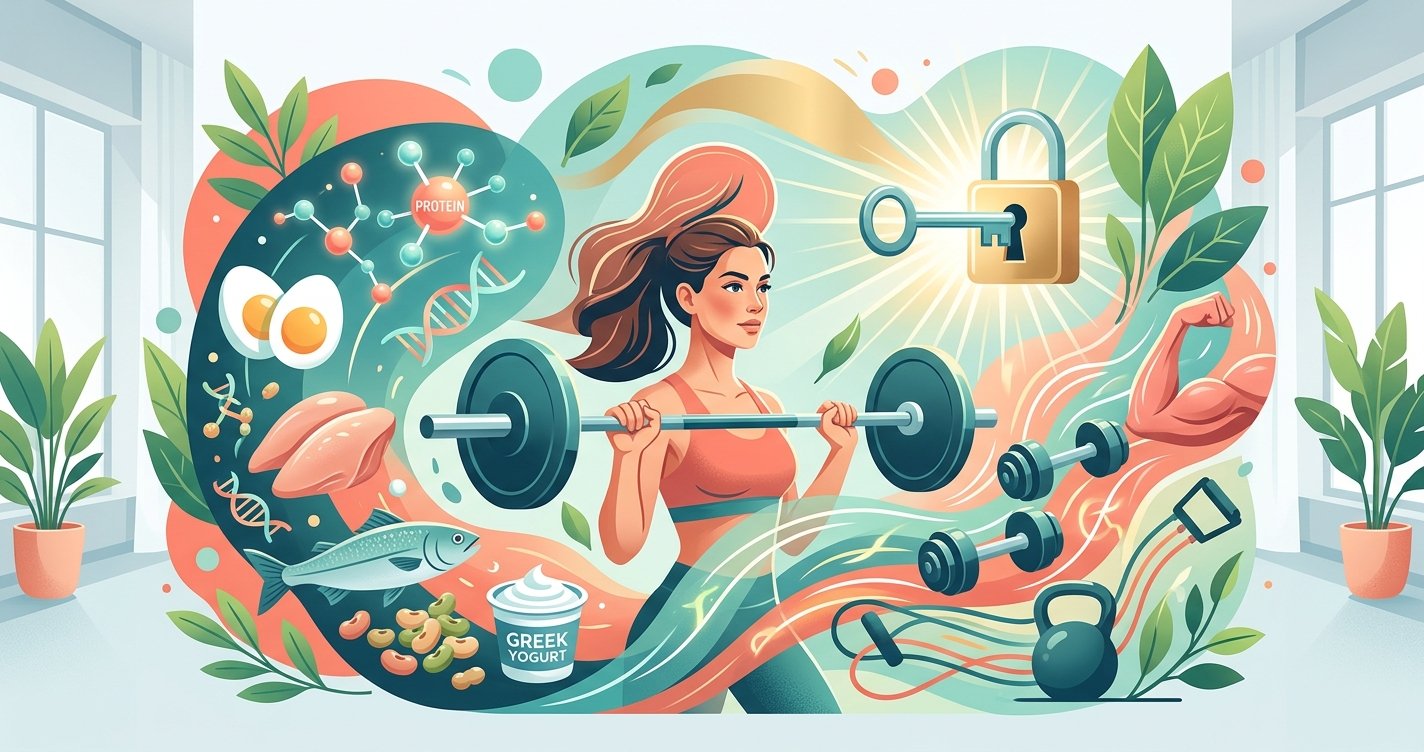
Imagine a journey where you don't just lose weight, but you sculpt a stronger, healthier, and more energetic version of yourself. A journey where you feel satisfied, full of vitality, and confident in your ability to maintain your results long-term. This isn't a fantasy; it's the reality when you shift your focus from mere calorie counting to strategically incorporating two powerful allies: adequate protein intake and consistent strength training. Let's dive into how these game-changers can transform your fat loss efforts from a struggle into a sustainable success story. this excellent wellness product
The Calorie Deficit: Still King, But Not the Whole Story
Let's be clear: to lose fat, you must consume fewer calories than your body expends. This is the fundamental law of thermodynamics, and it's non-negotiable. Think of it as your body needing a certain amount of fuel (calories) to function. If you provide less fuel than it needs, it will start to tap into its stored energy reserves – your body fat.
However, the *way* you achieve this deficit makes all the difference. Crash diets that severely restrict calories often lead to muscle loss, slower metabolism, nutrient deficiencies, and rebound weight gain. Our goal isn't just to drop numbers on the scale; it's to strategically lose fat while preserving precious muscle mass and boosting your metabolic health. This is where protein and strength training step in to optimize your calorie deficit.
Protein Power: Your Best Friend for Fat Loss
If there's one nutrient that deserves a spotlight in any fat loss strategy, it's protein. This macronutrient is a true powerhouse, offering multiple benefits that make your fat loss journey smoother and more effective.
Why Protein is Crucial for Fat Loss:
- Satiety & Hunger Control: Protein is incredibly satiating. It keeps you feeling fuller for longer, significantly reducing cravings and the urge to snack unnecessarily. This makes adhering to a calorie deficit much easier.
- Muscle Preservation: When you're in a calorie deficit, your body can sometimes break down muscle tissue for energy, not just fat. Adequate protein intake signals to your body to preserve muscle, ensuring that the weight you lose is primarily fat.
- Higher Thermic Effect of Food (TEF): Protein has a higher TEF than carbs or fats. This means your body expends more energy (calories) digesting, absorbing, and metabolizing protein. It's a small but consistent boost to your daily calorie expenditure.
- Repair & Recovery: For those incorporating strength training (which we'll discuss next!), protein is essential for muscle repair and growth, ensuring you recover effectively and build a stronger physique.
Practical Tips for Boosting Protein Intake:
- Aim for 1.6-2.2 grams of protein per kilogram of body weight daily, especially if you're active.
- Include a protein source at every meal: lean meats, poultry, fish, eggs, dairy (Greek yogurt, cottage cheese), legumes, tofu, tempeh, and protein powders.
- Prioritize protein at breakfast to kickstart your day with satiety.
- Snack on protein-rich foods like nuts, seeds, or a protein shake.
Strength Training: Build a Fat-Burning Machine
Forget the myth that cardio is the only way to lose fat. While cardiovascular exercise has its place, strength training is your secret weapon for transforming your body composition and boosting your metabolism around the clock.
How Strength Training Accelerates Fat Loss:
- Boosts Metabolism: Muscle tissue is metabolically more active than fat tissue. The more muscle you have, the more calories your body burns at rest (your Basal Metabolic Rate or BMR). Strength training builds and maintains this precious muscle, turning your body into a more efficient fat-burning machine 24/7.
- Body Recomposition: Strength training helps you achieve body recomposition – changing your ratio of fat to muscle. You might not see a drastic drop on the scale initially, but you'll notice your clothes fitting better, a more toned appearance, and increased strength.
- EPOC (Excess Post-exercise Oxygen Consumption): After an intense strength training session, your body continues to burn extra calories as it recovers and repairs muscle tissue. This 'afterburn effect' can last for hours.
- Improved Insulin Sensitivity: Regular strength training can improve your body's sensitivity to insulin, which is crucial for managing blood sugar and optimizing fat storage.
Getting Started with Strength Training:
- Aim for 2-4 full-body strength training sessions per week.
- Focus on compound movements that work multiple muscle groups: squats, deadlifts, presses (chest and overhead), rows, and lunges.
- Start with weights that challenge you for 8-12 repetitions. As you get stronger, gradually increase the weight or reps.
- Consider working with a qualified trainer initially to learn proper form and prevent injury.
Beyond the Plate and Gym: Lifestyle Hacks for Success
While nutrition and exercise are paramount, sustainable fat loss is a holistic endeavor. Don't underestimate the power of these often-overlooked lifestyle factors:
1. Prioritize Quality Sleep:
Sleep deprivation wreaks havoc on your hormones. It increases ghrelin (the hunger hormone) and decreases leptin (the satiety hormone), making you feel hungrier and less satisfied. It also elevates cortisol, a stress hormone linked to increased fat storage, particularly around the belly. Aim for 7-9 hours of quality sleep per night.
2. Manage Stress Effectively:
Chronic stress also keeps cortisol levels high, promoting fat storage and often leading to emotional eating. Incorporate stress-reducing activities into your daily routine: meditation, yoga, spending time in nature, reading, or simply listening to music. Find what works for you.
3. Stay Hydrated:
Drinking enough water is essential for metabolism, digestion, and overall health. Sometimes, thirst can be mistaken for hunger. Staying well-hydrated can also help you feel fuller and reduce calorie intake. Carry a water bottle and sip throughout the day.
4. Practice Mindful Eating:
Instead of just eating, *experience* your food. Pay attention to hunger and fullness cues, savor the flavors and textures, and eat without distractions. Mindful eating helps you develop a healthier relationship with food and prevents overeating.
Consistency Over Perfection: The Long Game
Sustainable fat loss isn't about rapid, dramatic changes; it's about building consistent, healthy habits that you can maintain for life. There will be days when you miss a workout or indulge a little too much. That's perfectly normal! The key is to not let one slip-up derail your entire journey.
Dust yourself off, learn from the experience, and get back on track with your next meal or workout. Celebrate small victories, be patient with yourself, and remember that progress isn't always linear. Your body is an incredible machine, and with the right fuel and challenges, it will adapt and respond.
Your Journey Starts Now
By prioritizing protein and incorporating strength training into your routine, you're not just chasing a number on the scale; you're investing in a stronger, healthier, and more vibrant future. These aren't quick fixes, but sustainable strategies backed by science, designed to empower you to take control of your fat loss journey and achieve lasting results. Start small, stay consistent, and watch your body transform from the inside out. You've got this!