Tired of the Diet Rollercoaster? Discover Sustainable Fat Loss!
For many, the journey to fat loss feels like an endless cycle of restrictive diets, quick fixes, and frustrating plateaus. You cut carbs, you count every calorie, you try the latest fad – only to find yourself back where you started, feeling defeated and hungrier than ever. But what if there was a simpler, more sustainable path? A path that focuses not on deprivation, but on nourishing your body with the right building blocks? Welcome to the world of evidence-based fat loss, where protein and whole foods aren't just buzzwords, but your most powerful allies.
This isn't about extreme measures or giving up your favorite foods forever. It's about understanding how your body works and making smart, strategic choices that fuel your metabolism, keep you feeling full, and build a foundation for lasting results. Let's ditch the frustration and embrace a friendly, effective approach to achieving your fat loss goals. this excellent wellness product
Why Fad Diets Fail (And What Works Instead)
Before we dive into the good stuff, let's briefly touch on why so many popular diets fall short. Most fad diets promise rapid weight loss through severe calorie restriction or eliminating entire food groups. While you might see initial drops on the scale, much of this is often water weight or even precious muscle mass. These diets are notoriously difficult to maintain, leading to nutrient deficiencies, intense cravings, and ultimately, a rebound effect where lost weight quickly returns, sometimes with extra.
The secret to sustainable fat loss isn't about eating less; it's about eating smarter. It's about optimizing your nutrition to support your body's natural fat-burning processes, protect your metabolism, and ensure you're getting all the essential nutrients you need to thrive. This is where the dynamic duo of protein and whole foods steps in, offering a powerful, science-backed alternative to the diet merry-go-round.
The Mighty Power of Protein: Your Fat Loss Ally
If there's one nutrient that deserves a standing ovation in the realm of fat loss, it's protein. Often overlooked in favor of carb or fat debates, protein plays a crucial, multi-faceted role in helping you shed unwanted fat and keep it off. Here's why it's your best friend on this journey:
1. The Thermic Effect of Food (TEF): Burn More Just By Eating!
Did you know that your body expends energy just to digest and absorb the food you eat? This is called the Thermic Effect of Food (TEF). Protein has a significantly higher TEF than carbohydrates or fats. This means that roughly 20-30% of the calories from protein are burned off during its digestion, compared to 5-10% for carbs and 0-3% for fats. By simply increasing your protein intake, you're giving your metabolism a little boost!
2. Super Satiety: Stay Fuller, Longer
One of the biggest challenges in fat loss is battling hunger and cravings. Protein is a champion at promoting satiety, the feeling of fullness. It helps regulate hunger hormones like ghrelin and leptin, signaling to your brain that you're satisfied. This means fewer mindless snacks, less overeating, and an easier time sticking to your calorie goals without feeling deprived.
3. Muscle Preservation: Protect Your Metabolism
When you're in a calorie deficit to lose fat, your body can sometimes break down muscle tissue for energy, especially if protein intake is insufficient. This is a problem because muscle is metabolically active – it burns more calories at rest than fat tissue. Adequate protein intake, especially when combined with strength training, helps preserve your precious muscle mass, keeping your metabolism humming and preventing a dreaded "slow metabolism" associated with dieting.
How Much Protein Do You Need?
For fat loss, a good general guideline is to aim for 0.7 to 1 gram of protein per pound of your target body weight (or current lean body mass). Spread your protein intake throughout the day across all meals and snacks for optimal benefits. Excellent sources include lean meats (chicken, turkey, beef), fish, eggs, dairy (Greek yogurt, cottage cheese), legumes (lentils, beans), and plant-based proteins (tofu, tempeh, edamame).
Whole Foods: Nature's Nutritional Powerhouses
While protein is a star, it works best when paired with its equally important partner: whole foods. Think of whole foods as anything that comes directly from nature, minimally processed, and bursting with nutrients. We're talking about vibrant fruits, colorful vegetables, hearty whole grains, and healthy fats. Here's why they're non-negotiable for sustainable fat loss:
1. Nutrient Density: Fuel Your Body, Not Just Fill It
Processed foods often provide "empty calories" – calories without much nutritional value. Whole foods, on the other hand, are packed with vitamins, minerals, antioxidants, and phytochemicals essential for overall health and optimal bodily function. When your body gets the nutrients it needs, it functions more efficiently, supporting everything from energy levels to hormone balance, which are all crucial for fat loss.
2. Fiber Power: The Unsung Hero of Satiety and Gut Health
Found abundantly in fruits, vegetables, whole grains, and legumes, fiber is a game-changer for fat loss. It adds bulk to your meals without adding many calories, helping you feel full and satisfied. Fiber also slows down digestion, stabilizing blood sugar levels and preventing energy crashes and subsequent cravings. Beyond satiety, fiber is vital for a healthy gut microbiome, which emerging research suggests plays a significant role in metabolism and weight management.
3. Natural & Unprocessed: Ditching the Hidden Traps
By focusing on whole foods, you naturally reduce your intake of highly processed foods, which are often laden with added sugars, unhealthy trans fats, and artificial ingredients. These additives can contribute to inflammation, disrupt hormone regulation, and lead to increased fat storage and difficulty losing weight. Choosing whole foods empowers you to take control of what goes into your body.
Building Your Sustainable Fat Loss Plate
Now that you understand the "why," let's talk about the "how." Incorporating protein and whole foods into your daily routine is simpler than you think:
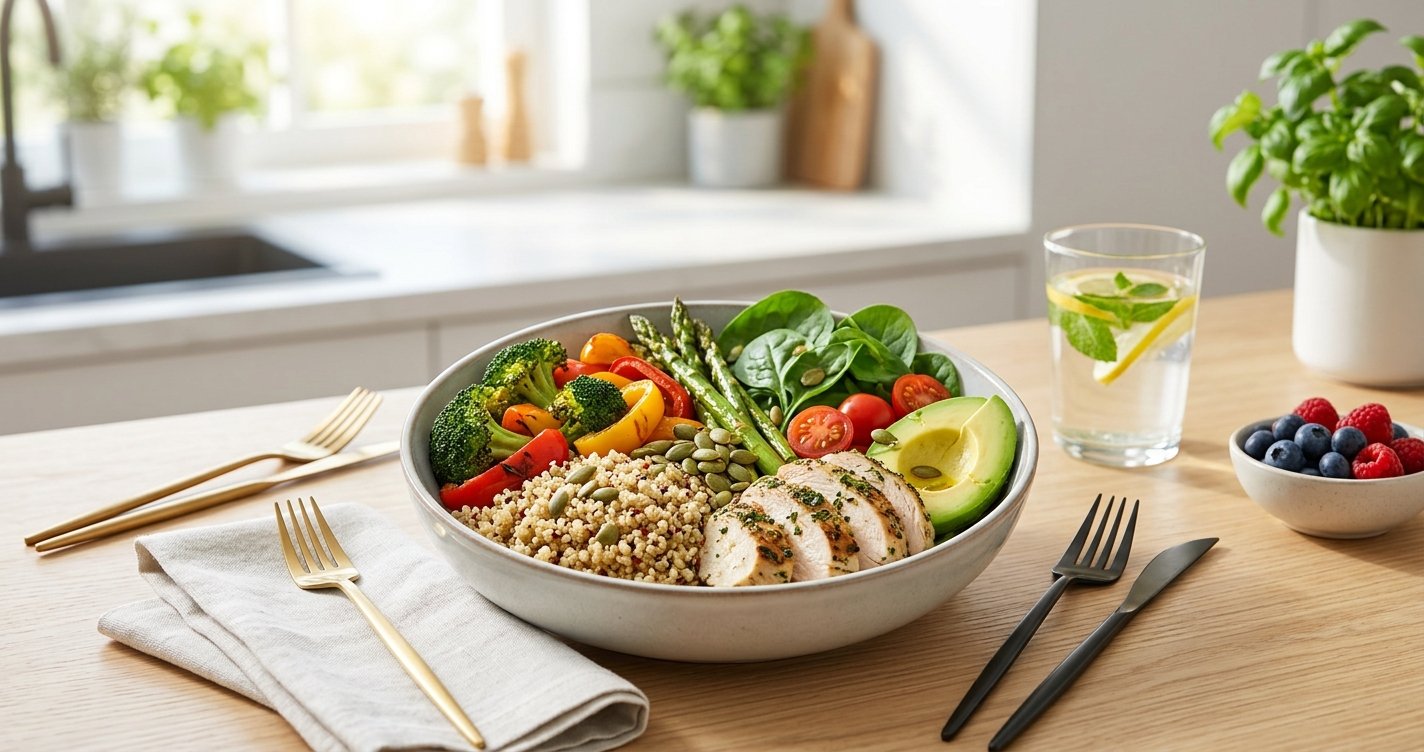
- Start with Protein: Make lean protein the centerpiece of every meal. Aim for a palm-sized portion at breakfast, lunch, and dinner.
- Load Up on Veggies: Fill half of your plate with non-starchy vegetables (broccoli, spinach, bell peppers, zucchini, salad greens). They're low in calories, high in nutrients and fiber.
- Choose Smart Carbs: Opt for complex carbohydrates like quinoa, brown rice, sweet potatoes, oats, or whole-grain bread in moderate portions, especially around your workouts.
- Don't Forget Healthy Fats: Include sources like avocados, nuts, seeds, and olive oil in moderation. Fats are essential for hormone production and nutrient absorption and contribute to satiety.
- Plan Ahead: Meal prepping or simply thinking about your meals in advance can make a huge difference. Cook extra chicken or roast a big batch of vegetables to have on hand.
- Hydrate: Drink plenty of water throughout the day. Sometimes thirst is mistaken for hunger.
Example Meal Ideas:
- Breakfast: Greek yogurt with berries and a sprinkle of nuts, or scrambled eggs with spinach and whole-grain toast.
- Lunch: Large salad with grilled chicken or chickpeas, plenty of mixed greens, and a light vinaigrette.
- Dinner: Baked salmon with steamed asparagus and a small serving of quinoa, or lean ground turkey stir-fry with a rainbow of vegetables.
Beyond the Plate: Lifestyle Factors for Success
While nutrition is paramount, remember that fat loss is a holistic journey. Don't underestimate the power of other lifestyle factors:
- Prioritize Sleep: Quality sleep regulates hunger hormones and supports recovery. Aim for 7-9 hours per night.
- Manage Stress: Chronic stress can lead to increased cortisol levels, which can promote fat storage. Find healthy ways to cope, like meditation, yoga, or spending time in nature.
- Move Your Body: Incorporate both strength training (to build and preserve muscle) and cardiovascular exercise (for heart health and calorie expenditure) into your routine.
- Mindful Eating: Pay attention to your body's hunger and fullness cues. Eat slowly, savor your food, and avoid distractions.
Your Sustainable Fat Loss Journey Starts Now!
You have the power to transform your body and your relationship with food. By focusing on the incredible benefits of protein and whole foods, you're not just dieting; you're building a healthier, stronger, and more vibrant you. This approach is sustainable, enjoyable, and most importantly, it works. Start small, be consistent, and celebrate every step of your journey towards lasting fat loss and optimal well-being. Your body will thank you!