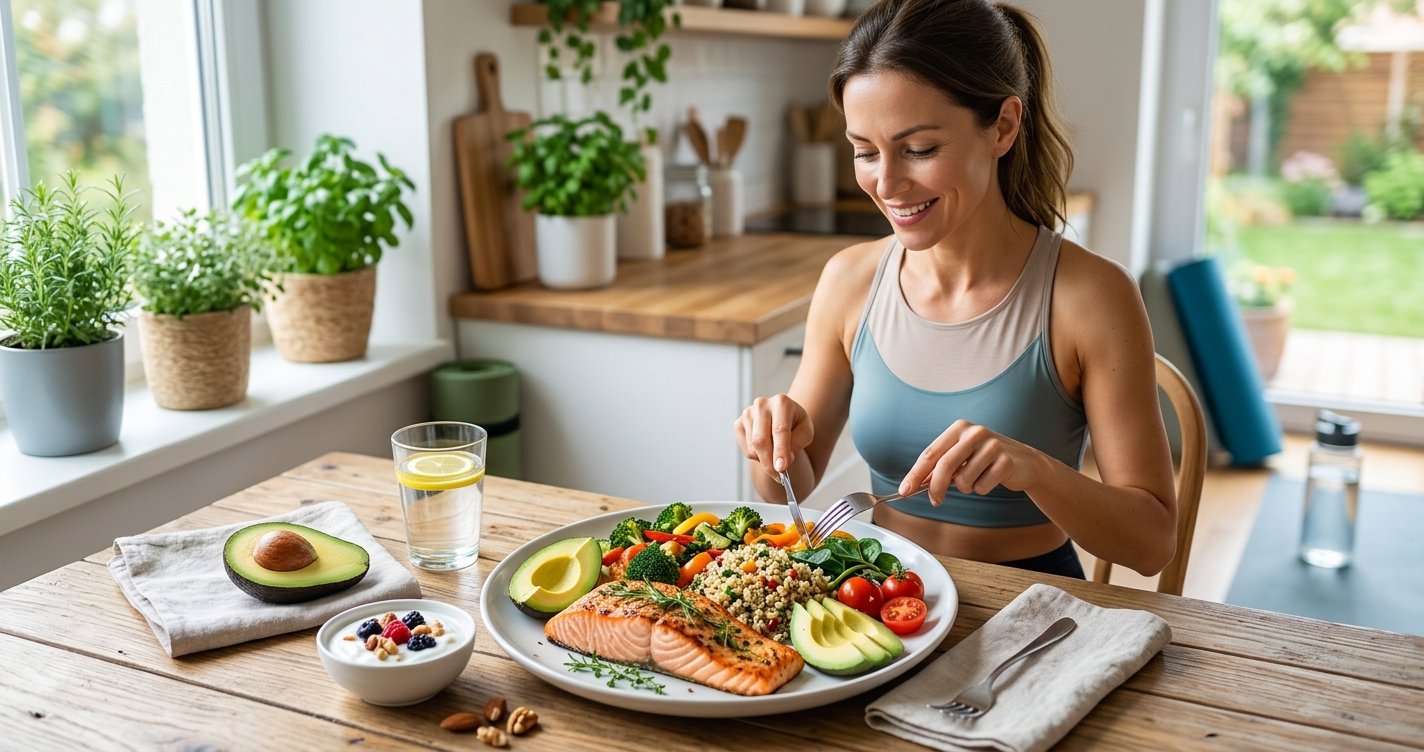
Tired of the Fat Loss Rollercoaster? Discover Your Protein Advantage!
Have you ever felt like you're constantly battling the bulge, trying every new diet fad only to see the numbers on the scale creep back up? You're not alone. Many of us get caught in a cycle of restrictive eating, quick fixes, and ultimate disappointment. But what if there was a powerful, science-backed strategy that could make your fat loss journey smoother, more satisfying, and truly sustainable? Enter the high-protein diet.
Forget extreme deprivation or complicated rules. Focusing on adequate protein intake is one of the most effective and evidence-based approaches to achieving and maintaining fat loss. It's not just about building big muscles; protein is your secret weapon for feeling fuller, boosting your metabolism, and preserving that precious lean muscle mass as you shed unwanted fat. Ready to learn how to harness its power? Let's dive in! this excellent wellness product
Why Protein is Your Fat Loss MVP (Most Valuable Player)
Protein isn't just another macronutrient; it's a game-changer when it comes to fat loss. Its unique properties make it an invaluable ally in your quest for a healthier, leaner you.
The Satiety Secret: Feeling Fuller, Longer
One of the biggest challenges in any fat loss journey is managing hunger. Protein excels here! Studies consistently show that protein is the most satiating macronutrient, meaning it keeps you feeling fuller for longer compared to carbohydrates or fats. When you incorporate sufficient protein into your meals, you're less likely to experience those nagging hunger pangs or succumb to unhealthy snack cravings. This natural reduction in overall calorie intake, without feeling deprived, is a cornerstone of sustainable fat loss.
Boosting Your Metabolism: The Thermic Effect of Food (TEF)
Did you know that your body expends energy just to digest and process the food you eat? This is called the Thermic Effect of Food (TEF). And guess what? Protein has a significantly higher TEF than carbs or fats. Roughly 20-30% of the calories from protein are burned during digestion, compared to 5-10% for carbs and 0-3% for fats. This means that a high-protein diet subtly boosts your daily calorie expenditure, giving you a metabolic edge that helps you burn more fat without extra effort.
Muscle Matters: Preserving Lean Mass
When you're trying to lose weight, you want to shed fat, not muscle. Unfortunately, calorie restriction can sometimes lead to muscle loss alongside fat loss. This is where protein steps in as your protector. Adequate protein intake, especially when combined with strength training, helps to preserve your lean muscle mass. Why is this crucial? Muscle is metabolically active, meaning it burns more calories at rest than fat does. By preserving muscle, you maintain a higher resting metabolism, making it easier to continue burning fat and keep the weight off in the long run.
How Much Protein Do You Really Need? (And What Kind?)
The common recommendation for protein intake varies, but for fat loss, you'll generally want to aim for a higher amount than the standard dietary guidelines. A good starting point for active individuals or those aiming for fat loss is around 1.6 to 2.2 grams of protein per kilogram of body weight (or 0.7 to 1 gram per pound of body weight) per day. For example, a 150-pound individual might aim for 105-150 grams of protein daily.
Don't feel overwhelmed by these numbers! It's about consistency, not perfection. Spreading your protein intake throughout the day, aiming for 20-40 grams per meal, is a great strategy to maximize its benefits.
Excellent Protein Sources:
- Lean Meats: Chicken breast, turkey, lean beef, pork loin.
- Fish and Seafood: Salmon, tuna, cod, shrimp.
- Eggs: Whole eggs or egg whites.
- Dairy: Greek yogurt, cottage cheese, milk, whey protein powder.
- Legumes: Lentils, black beans, chickpeas (also good fiber!).
- Plant-Based Proteins: Tofu, tempeh, edamame, seitan, plant-based protein powders (pea, soy, rice).
Integrating High-Protein into Your Daily Life: Practical Strategies
Making protein a priority doesn't have to be complicated or boring. Here are some simple, actionable ways to boost your intake:
- Start Your Day Strong: Instead of sugary cereals or toast, opt for protein-rich breakfasts like scrambled eggs, Greek yogurt with berries, cottage cheese, or a protein smoothie.
- Power Up Your Lunch & Dinner: Make lean protein the centerpiece of your main meals. Think grilled chicken and a big salad, salmon with roasted veggies, or a hearty lentil soup.
- Smart Snacking: Ditch the chips and cookies. Keep protein-packed snacks handy like hard-boiled eggs, a handful of almonds, a protein bar, or cheese sticks.
- Meal Prep Like a Pro: Dedicate a little time each week to cook a batch of chicken breast, hard-boil some eggs, or prepare some quinoa. This makes grabbing a healthy, high-protein meal or snack effortless during busy days.
- Strategic Swaps: Replace some high-carb items with protein alternatives. For instance, use Greek yogurt in place of sour cream, or add a scoop of protein powder to your oatmeal.
Beyond Protein: A Holistic Approach to Sustainable Fat Loss
While protein is a powerful tool, it's part of a larger picture. For truly sustainable fat loss and overall well-being, consider these complementary strategies:
- Strength Training: Lifting weights is crucial for building and preserving muscle, further boosting your metabolism and shaping your body. Aim for 2-3 sessions per week.
- Prioritize Sleep: Lack of sleep can disrupt hunger hormones (ghrelin and leptin), making you crave unhealthy foods and store more fat. Aim for 7-9 hours of quality sleep per night.
- Stay Hydrated: Drinking plenty of water can help with satiety, boost metabolism, and support overall bodily functions.
- Embrace Mindful Eating: Pay attention to your hunger and fullness cues. Eat slowly, savor your food, and avoid distractions. This helps you recognize when you've had enough.
- Manage Stress: Chronic stress can lead to increased cortisol levels, which can promote fat storage, especially around the midsection. Find healthy ways to de-stress, like meditation, yoga, or spending time in nature.
Common Myths and Misconceptions About High-Protein Diets
You might have heard some concerns about high-protein diets. Let's clear up a couple of common myths:
- Myth: High protein is bad for your kidneys.
Fact: For healthy individuals with normal kidney function, there is no evidence that a high-protein diet causes kidney damage. In fact, some research suggests it can be beneficial. Always consult your doctor if you have pre-existing kidney conditions. - Myth: High protein is too expensive/complicated.
Fact: While some protein sources can be pricey, many are very affordable. Eggs, canned tuna, lentils, cottage cheese, and chicken thighs are budget-friendly options. And with a little planning, integrating protein doesn't have to be complicated!
Your Action Plan: Starting Your High-Protein Fat Loss Journey
Ready to make protein your fat loss ally? Here’s how to start:
- Calculate Your Target: Use the 1.6-2.2g/kg (0.7-1g/lb) guideline to estimate your daily protein goal.
- Track for a Few Days: Use a food tracking app to see your current protein intake. This helps you understand where you need to make changes.
- Focus on One Meal First: Start by making your breakfast consistently high in protein, then move on to lunch, dinner, and snacks.
- Hydrate and Move: Remember to drink plenty of water and incorporate regular strength training.
- Be Patient and Consistent: Sustainable fat loss takes time. Celebrate small victories and stay consistent with your efforts.
Embrace the Power of Protein for Lasting Results!
Shifting your focus to a high-protein diet isn't just another diet; it's a powerful, sustainable lifestyle change that empowers you to take control of your fat loss journey. By harnessing protein's ability to keep you full, boost your metabolism, and protect your muscle, you're setting yourself up for success, not just for shedding fat, but for building a stronger, healthier, and more confident you. You've got this!