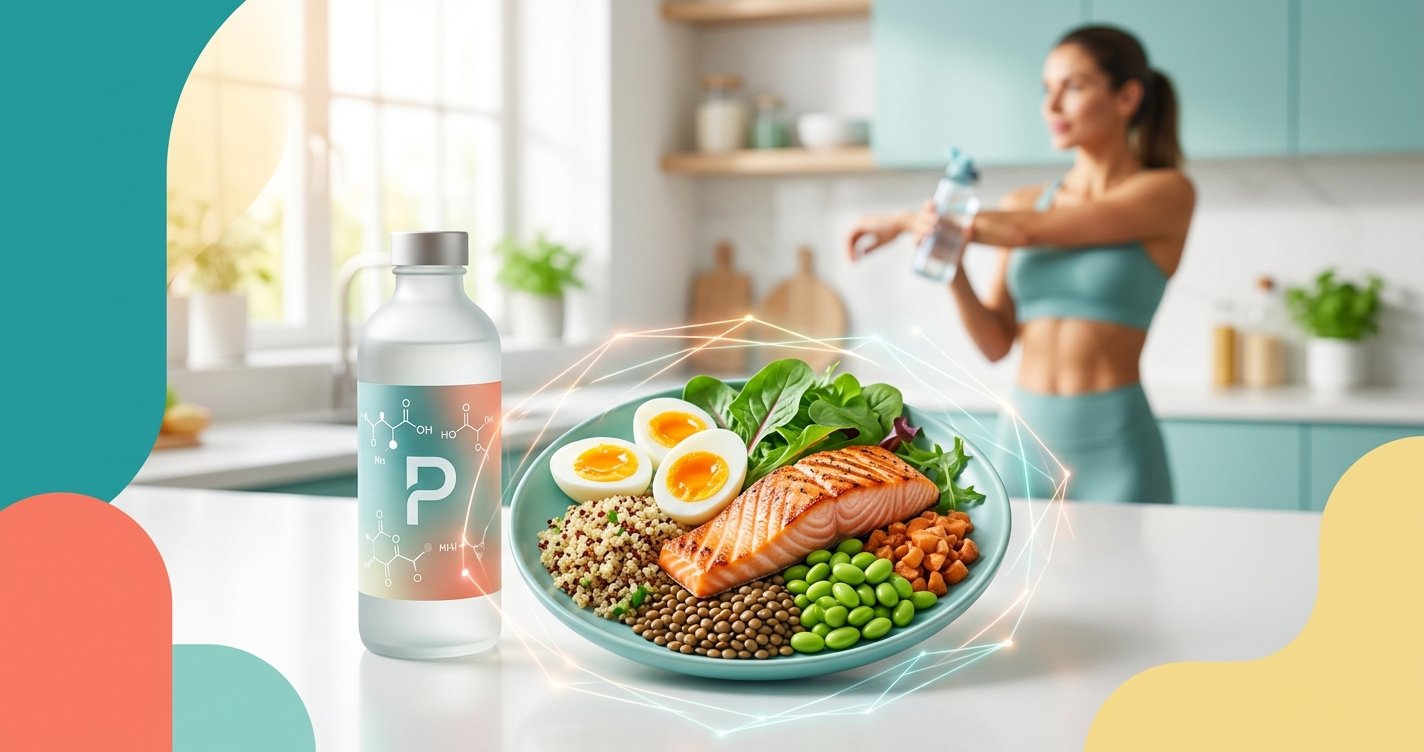
Unlock Sustainable Fat Loss: The Science-Backed Power of Protein
Are you tired of the endless cycle of restrictive diets, intense hunger, and disappointing results when it comes to fat loss? What if there was one simple, yet incredibly powerful, nutritional strategy that could make a significant difference in your journey, helping you feel fuller, preserve muscle, and boost your metabolism? Well, get ready to meet your new best friend in the quest for sustainable fat loss: protein.
Often hailed as the building block of life, protein is so much more than just a muscle-maker. It’s a vital macronutrient that plays a starring role in everything from hormone production to immune function, and critically, it’s a game-changer for anyone looking to shed unwanted body fat without feeling deprived. In this comprehensive guide, we're going to dive deep into the evidence-based reasons why protein is your ultimate ally for sustainable fat loss, and how you can easily incorporate more of it into your daily life. this excellent wellness product
Why Protein is Your Fat Loss MVP (Most Valuable Player)
When you’re aiming for fat loss, the goal isn't just to lose weight; it's to lose fat while preserving as much lean muscle mass as possible. This is where protein truly shines. Let's break down its incredible benefits:
Crushing Cravings: Protein's Satiety Superpower
One of the biggest hurdles in any fat loss journey is hunger. Those nagging cravings and the constant feeling of emptiness can derail even the most determined efforts. This is where protein steps in as a true hero. Protein is the most satiating of the three macronutrients (protein, carbs, and fats). This means it keeps you feeling fuller for longer, significantly reducing your urge to snack unnecessarily or overeat at your next meal.
The science behind this is fascinating. Eating protein stimulates the release of satiety hormones like PYY and GLP-1, which signal to your brain that you're full and satisfied. It also helps to suppress ghrelin, the 'hunger hormone'. Imagine going through your day feeling genuinely satisfied, rather than constantly battling hunger – that's the protein advantage!
The Thermic Effect of Food (TEF): Burning More Just By Eating
Did you know that your body expends energy just to digest, absorb, and metabolize the food you eat? This is known as the Thermic Effect of Food (TEF). And guess which macronutrient has the highest TEF? You got it – protein!
While carbohydrates have a TEF of 5-10% and fats have 0-3%, protein boasts a TEF of 20-30%. This means that for every 100 calories of protein you consume, your body uses 20-30 of those calories just to process it. While this might seem like a small amount, over the course of a day, a week, or a month, it adds up to a meaningful increase in your overall calorie expenditure, giving you a metabolic edge in your fat loss efforts.
Protecting Your Lean Muscle Mass
When you're in a calorie deficit (eating fewer calories than you burn), your body can sometimes break down muscle tissue for energy, not just fat. This is detrimental because muscle is metabolically active – it burns more calories at rest than fat does. Losing muscle can slow down your metabolism, making future fat loss even harder.
Adequate protein intake is crucial for preserving lean muscle mass during a calorie deficit. Protein provides the amino acids your body needs to repair and build muscle, signaling to your body to hold onto that precious muscle tissue. By maintaining muscle, you keep your metabolism revving, making it easier to burn fat and maintain your results long-term.
How Much Protein Do You Really Need?
The recommended daily allowance (RDA) for protein is 0.8 grams per kilogram of body weight, but this is often considered the minimum to prevent deficiency, not necessarily optimal for fat loss or muscle preservation. For individuals actively pursuing fat loss, evidence suggests a higher intake is beneficial.
Most experts recommend aiming for:
- 1.6 to 2.2 grams of protein per kilogram of body weight (0.7 to 1 gram per pound of body weight) per day.
For example, a person weighing 70 kg (approximately 154 lbs) might aim for 112 to 154 grams of protein per day. It’s also important to distribute your protein intake evenly throughout the day, aiming for 20-40 grams per meal to maximize muscle protein synthesis and satiety.
Practical Ways to Boost Your Protein Intake
Now that you understand the 'why,' let's talk about the 'how.' Incorporating more protein into your diet doesn't have to be complicated or bland. Here are some delicious and practical strategies:
Top Protein-Rich Food Sources
- Lean Meats: Chicken breast, turkey, lean beef, pork tenderloin.
- Fish & Seafood: Salmon, tuna, cod, shrimp.
- Eggs: A versatile and complete protein source.
- Dairy: Greek yogurt, cottage cheese, milk, whey protein (if supplementing).
- Legumes: Lentils, chickpeas, black beans (also great fiber sources).
- Plant-Based Proteins: Tofu, tempeh, edamame, seitan, quinoa.
- Nuts & Seeds: Almonds, peanuts, chia seeds, flax seeds (in moderation due to higher fat content).
Smart Swaps & Meal Ideas
- Breakfast: Swap sugary cereal for Greek yogurt with berries and a sprinkle of nuts, or scrambled eggs with veggies.
- Lunch: Add grilled chicken or chickpeas to your salad, or opt for a lentil soup.
- Dinner: Make lean protein the centerpiece of your meal, paired with plenty of vegetables.
- Snacks: Instead of chips or cookies, grab a handful of almonds, a hard-boiled egg, or a protein shake.
- Smoothies: Boost your morning smoothie with a scoop of protein powder, Greek yogurt, or cottage cheese.
When to Consider Protein Supplements
While whole foods should always be your primary source of protein, supplements can be a convenient and effective way to help you meet your daily protein targets, especially if you have a busy lifestyle or specific dietary preferences (e.g., vegan protein powders). Whey, casein, and plant-based protein powders are popular choices. Remember, they are meant to supplement, not replace, nutrient-dense whole foods.
Integrating Protein for Sustainable Success
Embracing the power of protein for fat loss isn't about rigid rules or deprivation; it's about making smart, sustainable choices that support your body and your goals. Here are a few final tips for long-term success:
- Listen to Your Body: Pay attention to how different protein sources make you feel. Find what works best for your digestion and preferences.
- Balance is Key: While protein is crucial, don't neglect healthy fats and complex carbohydrates. A balanced diet provides all the nutrients your body needs to thrive.
- Stay Hydrated: Drinking plenty of water is essential for overall health and can also help with satiety.
- Combine with Strength Training: For optimal fat loss and muscle preservation, pair your increased protein intake with regular strength training exercises.
- Consistency Over Perfection: Don't get discouraged if you don't hit your protein target every single day. Focus on consistency over time, and celebrate small victories.
Your Journey to a Leaner, Stronger You Starts Now!
The journey to sustainable fat loss doesn't have to be a battle against constant hunger and dwindling energy. By strategically increasing your protein intake, you're not just eating more; you're empowering your body with the tools it needs to feel full, burn more calories, and protect your precious muscle mass. This isn't a fad diet; it's an evidence-based approach that supports long-term health and a leaner, stronger you.
So, take the first step today. Start by adding a protein source to every meal, experimenting with new recipes, and noticing how much more satisfied and energized you feel. You've got this, and the incredible power of protein is here to help you unlock your full fat loss potential!