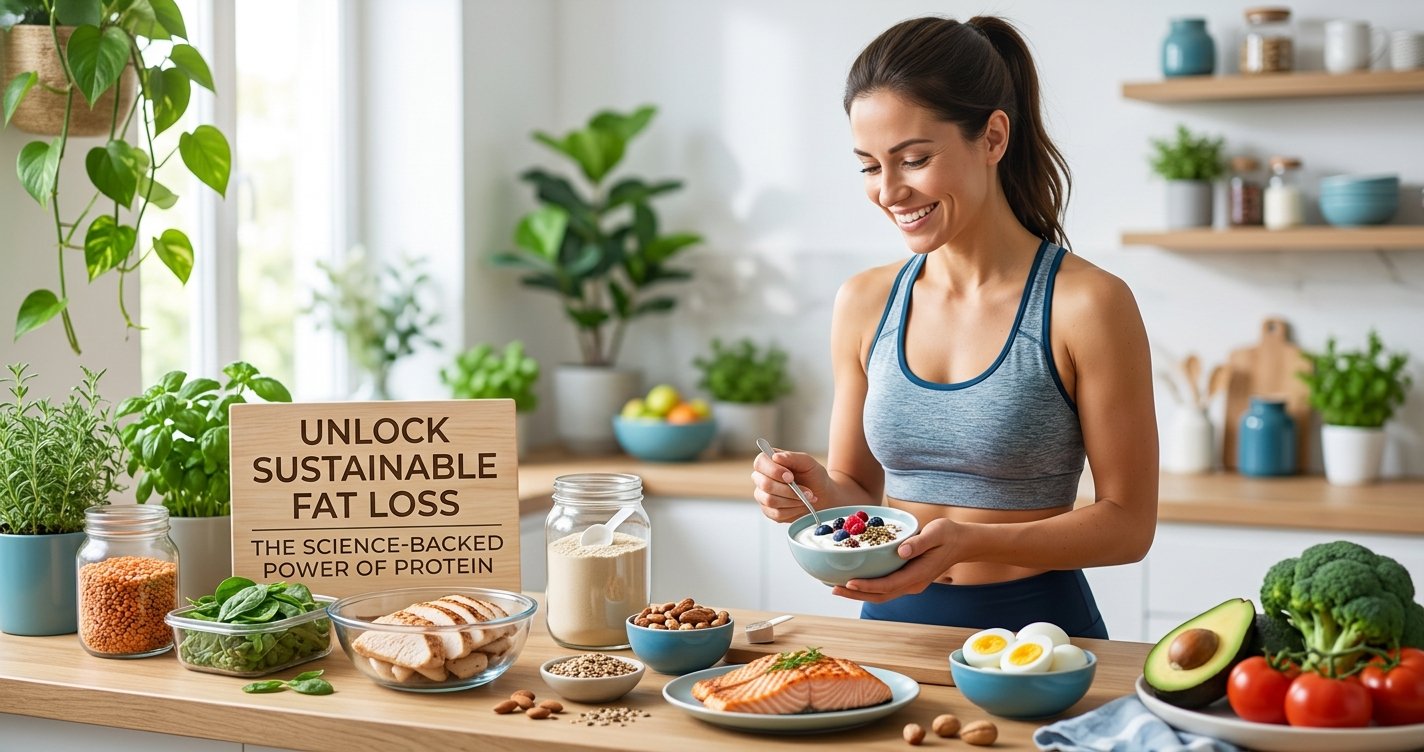
Are you tired of the never-ending cycle of restrictive diets, intense hunger pangs, and disappointing results when it comes to fat loss? You're not alone. Many people struggle to find a sustainable path to shedding unwanted fat, often falling prey to fads that promise quick fixes but deliver only frustration. What if there was one powerful, science-backed nutrient that could make a significant difference in your fat loss journey, helping you feel fuller, boost your metabolism, and protect your precious muscle? Enter protein.
Yes, protein – often associated with bodybuilders and athletes – is actually a game-changer for anyone looking to lose fat sustainably. It's not just about building big muscles; it's about optimizing your body's ability to burn fat, maintain energy levels, and keep hunger at bay. In this ultimate guide, we'll dive deep into the incredible power of protein, backed by evidence, and show you exactly how to harness its benefits to achieve lasting fat loss. this excellent wellness product
Why Protein is Your Secret Weapon for Fat Loss
Protein isn't just a macronutrient; it's a strategic ally in your quest for a leaner, healthier you. Here’s why it deserves a prime spot on your plate:
The Satiety Factor: Feeling Fuller, Longer
One of the biggest challenges in fat loss is managing hunger. When you feel constantly deprived, sticking to a calorie deficit becomes incredibly difficult. This is where protein shines. Research consistently shows that protein is the most satiating of all macronutrients. When you consume protein, it triggers the release of hormones like GLP-1 and CCK, which signal fullness to your brain. This means you’ll feel satisfied with fewer calories, reducing the likelihood of overeating and mindless snacking throughout the day. Imagine going longer between meals without that nagging hunger – that's the protein advantage!
Boosting Your Metabolism: The Thermic Effect of Food (TEF)
Did you know that your body burns calories just to digest, absorb, and process the food you eat? This is known as the Thermic Effect of Food (TEF), and protein has the highest TEF compared to carbohydrates and fats. Approximately 20-30% of the calories from protein are expended during its digestion, absorption, and metabolism, compared to 5-10% for carbs and 0-3% for fats. This means that by simply eating more protein, you're giving your metabolism a small, but significant, boost, helping you burn more calories around the clock.
Protecting Your Hard-Earned Muscle
When you embark on a fat loss journey, especially when you're in a calorie deficit, there's a risk of losing not just fat, but also valuable muscle mass. This is detrimental because muscle is metabolically active, meaning it burns more calories at rest than fat does. A higher protein intake, especially when combined with resistance training, helps preserve muscle mass during periods of fat loss. By keeping your muscle, you maintain a higher resting metabolic rate, making it easier to sustain your fat loss and prevent rebound weight gain.
How Much Protein Do You Actually Need?
This is a common question, and the answer isn't a one-size-fits-all. While the Recommended Dietary Allowance (RDA) for protein is 0.8 grams per kilogram of body weight, this is often considered the minimum to prevent deficiency, not necessarily the optimal amount for fat loss or muscle preservation, especially for active individuals.
General Guidelines vs. Individual Needs
For fat loss, most experts recommend a significantly higher intake. A good starting point for many individuals is typically between 1.6 to 2.2 grams of protein per kilogram of body weight (or 0.7 to 1 gram per pound of body weight). If you're very active, engaged in resistance training, or aiming for accelerated fat loss while preserving muscle, you might even go slightly higher, towards the upper end of that range.
Calculating Your Target: A Simple Approach
Let's make it practical. If you weigh 70 kg (approximately 154 lbs) and aim for 1.8 grams of protein per kg: 70 kg * 1.8 g/kg = 126 grams of protein per day. If you prefer pounds, and weigh 154 lbs, aim for 0.8 grams per pound: 154 lbs * 0.8 g/lb = 123.2 grams. As you can see, the numbers are quite similar and provide a solid target.
Best Sources of Protein: Quality Matters
Not all protein sources are created equal. Prioritizing high-quality, complete proteins will ensure you get all the essential amino acids your body needs.
Animal-Based Proteins: Lean & Complete
- Lean Meats: Chicken breast, turkey, lean beef (sirloin, round), pork loin.
- Fish & Seafood: Salmon (also rich in Omega-3s), cod, tuna, shrimp.
- Eggs: The "perfect protein," versatile and affordable.
- Dairy: Greek yogurt, cottage cheese, milk, whey protein (great for post-workout).
Plant-Based Proteins: Diverse & Delicious
For our vegetarian and vegan friends, or those looking to diversify their protein sources, there are excellent plant-based options:
- Legumes: Lentils, chickpeas, black beans, kidney beans.
- Soy Products: Tofu, tempeh, edamame.
- Quinoa: A complete protein among grains.
- Nuts & Seeds: Almonds, peanuts, chia seeds, hemp seeds (in moderation due to higher fat content).
- Plant-Based Protein Powders: Pea, rice, hemp protein can be very useful.
The Role of Protein Supplements
While whole foods should always be your primary source of protein, supplements like whey, casein, or plant-based protein powders can be incredibly convenient for reaching your daily targets, especially around workouts or when you're on the go. They are not magic pills, but effective tools in your nutritional arsenal.
Practical Strategies to Boost Your Protein Intake
Now that you know the "why" and "how much," let's talk about the "how to." Integrating more protein into your diet doesn't have to be complicated.
Protein at Every Meal: The Foundation
Aim to include a significant source of protein in every main meal. Instead of just toast for breakfast, add eggs or Greek yogurt. Swap a small side of meat for a larger portion, or add beans to your salad. Distributing your protein intake throughout the day (e.g., 30-40g per meal) has been shown to be more effective for muscle protein synthesis and satiety than front-loading it or having it all at dinner.
Smart Snacking: Protein-Packed Options
When hunger strikes between meals, reach for protein-rich snacks instead of sugary treats. Think:
- Hard-boiled eggs
- A handful of almonds or walnuts
- Cottage cheese with berries
- Greek yogurt
- Protein bar (choose wisely with low sugar)
- Deli turkey slices or beef jerky (low sodium options)
Meal Prep for Success
Failing to plan is planning to fail, especially with nutrition. Dedicate some time each week to prepare protein sources like grilled chicken, hard-boiled eggs, or cooked lentils. Having these ready makes it far easier to assemble protein-rich meals and snacks when you're busy or tired.
Common Protein Myths Debunked
Let's address some common misconceptions that might be holding you back from embracing protein fully.
"Too Much Protein is Bad for Your Kidneys"
This is a widespread concern, but for healthy individuals with normal kidney function, there is no scientific evidence to suggest that a high-protein diet causes kidney damage. Studies show that even very high protein intakes (up to 2.8 g/kg/day) are safe for healthy kidneys. If you have pre-existing kidney disease, then you should always consult your doctor or a registered dietitian.
"Protein Makes You Bulky"
This myth often deters women from increasing their protein intake. While protein is essential for muscle growth, becoming "bulky" requires a specific training regimen (heavy lifting, high volume) and often a caloric surplus, along with hormonal factors (like testosterone) that are far less prevalent in women. For most people, a higher protein intake, combined with general exercise, will lead to a lean, toned physique, not excessive bulk.
Integrating Protein for Sustainable Success
Embracing the power of protein isn't about perfection; it's about progress and consistency. Here are some final tips for long-term success:
Listen to Your Body
While guidelines are helpful, pay attention to how different protein sources and amounts make you feel. Do you feel more satisfied? Are your energy levels stable? Adjust as needed.
Consistency Over Perfection
Don't let an occasional slip-up derail your efforts. Focus on making good choices most of the time. Consistency with your protein intake will yield far better results than sporadic, perfect days.
Combine with Other Healthy Habits
Protein is powerful, but it's part of a larger picture. For optimal fat loss and overall health, combine your increased protein intake with regular strength training and cardiovascular exercise, adequate sleep, and effective stress management. These elements work synergistically to create a thriving, fat-burning environment in your body.
Conclusion
If you're serious about sustainable fat loss, it's time to re-evaluate your relationship with protein. By prioritizing this essential macronutrient, you're not just aiming to lose weight; you're building a foundation for a healthier metabolism, better satiety, and a stronger, more resilient body. Stop chasing fleeting trends and start fueling your body with the power it needs to truly transform. Make protein your ally today, and watch your fat loss journey become more manageable, enjoyable, and ultimately, successful.
Ready to unlock your fat loss potential? Start incorporating more high-quality protein into your meals and snacks, and experience the difference for yourself!