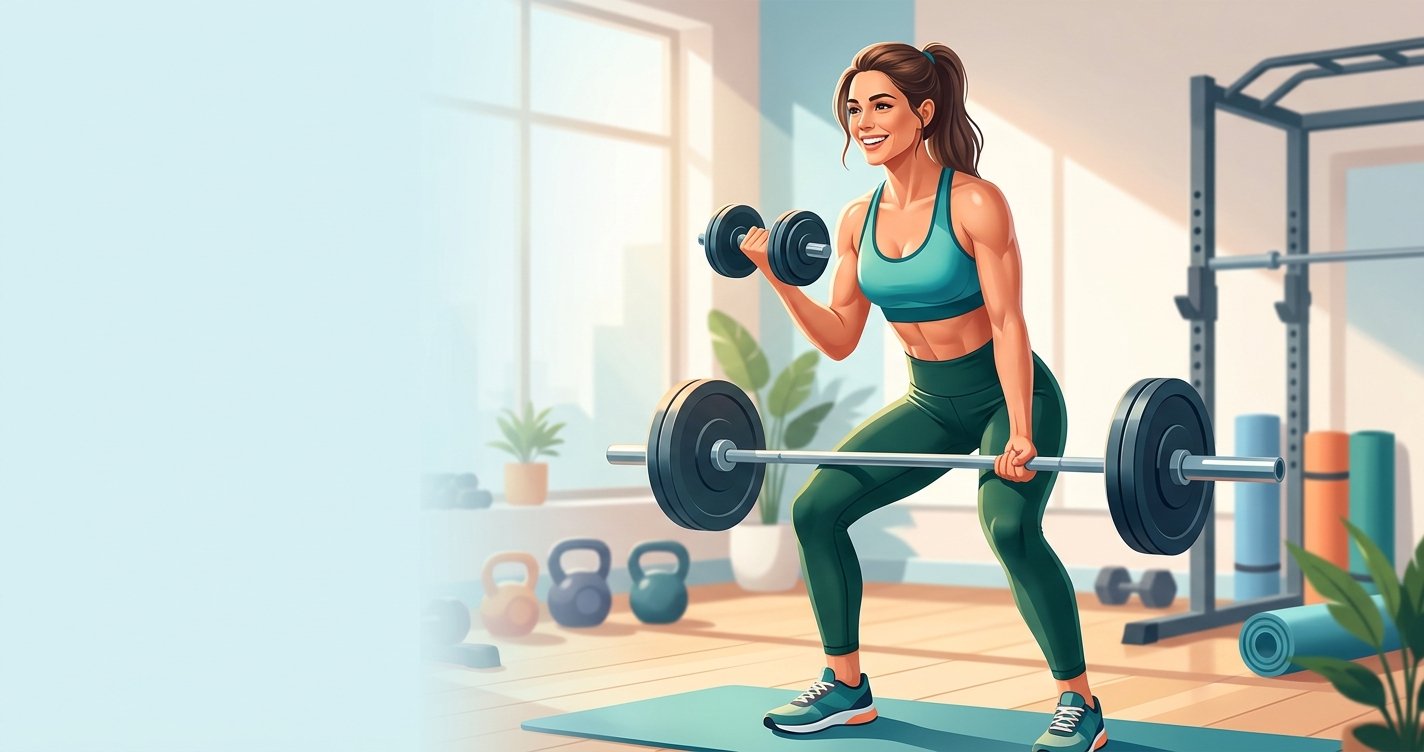
Unlock Sustainable Fat Loss: The Power of Strength Training Explained
Are you tired of endless cardio sessions with little to show for it on the scale? Do you dream of a leaner, stronger physique that feels as good as it looks? If you’ve been focusing solely on diet and cardio for fat loss, you’re missing out on one of the most powerful, evidence-based tools in your arsenal: strength training. It’s not just for bodybuilders; it’s your secret weapon for sustainable fat loss, improved health, and a body you’ll love to live in.
Forget the myth that lifting weights will make you "bulky" (especially for women). Instead, embrace the truth: strength training is a game-changer for body composition, metabolic health, and overall well-being. In this comprehensive guide, we'll dive deep into why strength training is crucial for lasting fat loss, how to get started, and how to fuel your progress for incredible results. this excellent wellness product
Why Strength Training is Your Secret Weapon for Fat Loss (Beyond Cardio)
While cardio certainly has its place for cardiovascular health, it’s often overemphasized for fat loss. Strength training, on the other hand, offers unique benefits that directly target fat reduction and body sculpting in ways cardio simply can't match.
The Metabolism Magic: How Muscle Burns More Calories
Here’s a fundamental truth: muscle is metabolically active tissue. This means it burns more calories at rest than fat tissue does. The more muscle you have, the higher your Basal Metabolic Rate (BMR) will be. Even when you’re just sitting on the couch, your muscles are working, consuming energy. By building muscle through strength training, you essentially turn your body into a more efficient, fat-burning machine 24/7, making fat loss easier and more sustainable in the long run.
EPOC: The Afterburn Effect You Can't Ignore
Ever felt completely exhausted after a tough workout, even hours later? That’s partially due to something called Excess Post-exercise Oxygen Consumption (EPOC), often known as the "afterburn effect." After a challenging strength training session, your body continues to burn calories at an elevated rate for hours (sometimes up to 48 hours!) as it works to repair muscle tissue, replenish energy stores, and return to its pre-exercise state. This prolonged calorie burn significantly contributes to your overall daily energy expenditure, helping you create the calorie deficit needed for fat loss.
Sculpting Your Body: More Than Just Losing Weight
Fat loss isn't just about the number on the scale; it's about improving your body composition – the ratio of fat to muscle. Strength training excels at this. As you lose fat and build muscle, your body transforms. You'll notice clothes fitting better, a more toned appearance, and a significant boost in confidence. You might even find the scale doesn't move much, but your measurements shrink, and your body looks completely different. This is body recomposition in action, and it’s a far more meaningful indicator of progress than just weight alone.
The Science-Backed Health Benefits You Need to Know
Beyond fat loss and aesthetics, strength training offers a multitude of health benefits supported by extensive research, making it a cornerstone of a healthy lifestyle.
Boosting Bone Density and Joint Health
As we age, bone density naturally declines, increasing the risk of osteoporosis. Strength training places stress on your bones, which signals them to become stronger and denser. This is crucial for long-term skeletal health. Furthermore, strengthening the muscles around your joints improves stability, reduces pain, and enhances overall joint function, protecting you from injuries and degenerative conditions.
Improving Insulin Sensitivity and Blood Sugar Control
Regular strength training helps your body use glucose (sugar) more efficiently. Muscles are major sites for glucose uptake, and by increasing muscle mass and improving muscle function, you enhance insulin sensitivity. This means your body needs less insulin to process blood sugar, which is vital for preventing and managing type 2 diabetes and promoting overall metabolic health.
Enhancing Mood and Reducing Stress
Physical activity, especially strength training, is a powerful mood booster. It releases endorphins, natural mood elevators, which can reduce feelings of stress, anxiety, and depression. The sense of accomplishment from lifting heavier weights or mastering a new movement can significantly boost self-esteem and mental resilience. It’s a fantastic way to clear your head and build mental fortitude alongside physical strength.
Getting Started: Your Beginner-Friendly Strength Training Plan
Ready to pick up some weights? Great! Here’s how to start safely and effectively, even if you’re a complete beginner.
Essential Equipment (or lack thereof)
You don't need a fancy gym membership to start. You can begin with just your body weight, resistance bands, or a few dumbbells. As you progress, you might consider adjustable dumbbells, kettlebells, or a gym membership for access to more equipment.
Key Movements to Master (Compound Exercises)
Focus on compound exercises, which work multiple muscle groups simultaneously. These are highly efficient and effective for building strength and burning calories.
- Squats: Bodyweight, goblet, or barbell squats
- Deadlifts: Romanian deadlifts (RDLs) or conventional deadlifts (start light!)
- Lunges: Forward, reverse, or walking lunges
- Push-ups: On knees, incline, or full push-ups
- Rows: Dumbbell rows, resistance band rows, or cable rows
- Overhead Press: Dumbbell or barbell shoulder press
Sample Weekly Routine (Frequency, Sets, Reps)
Aim for 2-3 full-body strength training sessions per week on non-consecutive days to allow for muscle recovery.
- Warm-up (5-10 minutes): Light cardio (jogging, cycling) and dynamic stretches (arm circles, leg swings).
- Workout (45-60 minutes): Choose 4-6 compound exercises. For each exercise, perform 3 sets of 8-12 repetitions. Focus on proper form over heavy weight.
- Cool-down (5-10 minutes): Static stretches, holding each stretch for 20-30 seconds.
As you get stronger, gradually increase the weight, repetitions, or sets. This is called progressive overload, and it’s essential for continued progress.
Fueling Your Progress: Nutrition for Strength & Fat Loss
You can’t out-train a poor diet. Nutrition is paramount for both building muscle and losing fat. Think of food as fuel and building blocks for your body.
Protein Power: Building Blocks for Muscle
Protein is crucial for muscle repair and growth. Aim for approximately 0.7-1 gram of protein per pound of body weight daily, spread across your meals. Good sources include lean meats, poultry, fish, eggs, dairy, legumes, and protein supplements.
Smart Carbs and Healthy Fats: Energy and Satiety
Don't fear carbohydrates! They are your body's primary energy source, especially for intense workouts. Choose complex carbohydrates like whole grains, fruits, and vegetables. Healthy fats (avocado, nuts, seeds, olive oil) are essential for hormone production and satiety, helping you feel full and satisfied.
Hydration: Often Overlooked, Always Important
Water is involved in countless bodily functions, including metabolism and nutrient transport. Staying well-hydrated is crucial for energy levels, performance, and overall health. Aim for at least 8 glasses (64 ounces) of water daily, and more if you’re exercising intensely.
Common Myths Debunked & Overcoming Challenges
It's normal to have questions or face hurdles when starting something new. Let's tackle some common concerns.
"Bulking Up" Fear (especially for women)
This is perhaps the biggest myth holding women back from strength training. Women typically have significantly lower levels of testosterone than men, the hormone primarily responsible for large muscle growth. It’s incredibly difficult for women to build huge, bulky muscles without specialized training, diet, and often, hormonal assistance. Instead, you'll achieve a lean, toned, and strong physique.
Plateaus and How to Break Through Them
Eventually, your body adapts, and progress might slow. This is a plateau. To break through, try changing your routine: increase weight, reps, or sets; try new exercises; vary your training split; or take a deload week. Sometimes, simply ensuring you're getting enough sleep and managing stress can help.
Sustainable Success: Making Strength Training a Lifestyle
The key to lasting fat loss and a healthier body is consistency and viewing strength training as a long-term lifestyle change, not a temporary fix.
Listen to Your Body and Prioritize Recovery
Rest days are just as important as training days. Your muscles grow and repair during rest. Ensure you’re getting 7-9 hours of quality sleep each night and consider active recovery like walking or light stretching on off days. If something hurts (beyond muscle soreness), listen to your body and don’t push through pain.
Consistency Over Intensity (Especially at First)
Showing up consistently, even for shorter workouts, is more effective than sporadic, intense sessions. Start with what you can manage, focus on good form, and gradually build up your intensity and volume. Small, consistent efforts lead to big results over time.
Celebrate Non-Scale Victories!
Remember, fat loss is about more than just the number on the scale. Celebrate your non-scale victories: lifting heavier, feeling stronger, improved mood, better sleep, clothes fitting differently, and more energy. These are powerful indicators of your progress and motivation to keep going.
Conclusion
Strength training is not just an exercise; it’s an investment in your health, your body composition, and your future. By incorporating resistance training into your routine, you’re not just losing fat; you’re building a stronger, more resilient, and metabolically efficient body. It's time to ditch the endless cardio, embrace the weights, and unlock the sustainable fat loss and health benefits you deserve. Start small, stay consistent, and celebrate every step of your journey. Your stronger, leaner self is waiting!