Are you tired of the endless cycle of crash diets, restrictive eating, and intense cardio that promises rapid fat loss but delivers only frustration and rebound weight gain? You're not alone. Many embark on their fat loss journey with enthusiasm, only to be met with unsustainable methods that leave them feeling defeated. But what if there was a more effective, enjoyable, and — most importantly — sustainable way to achieve lasting fat loss?
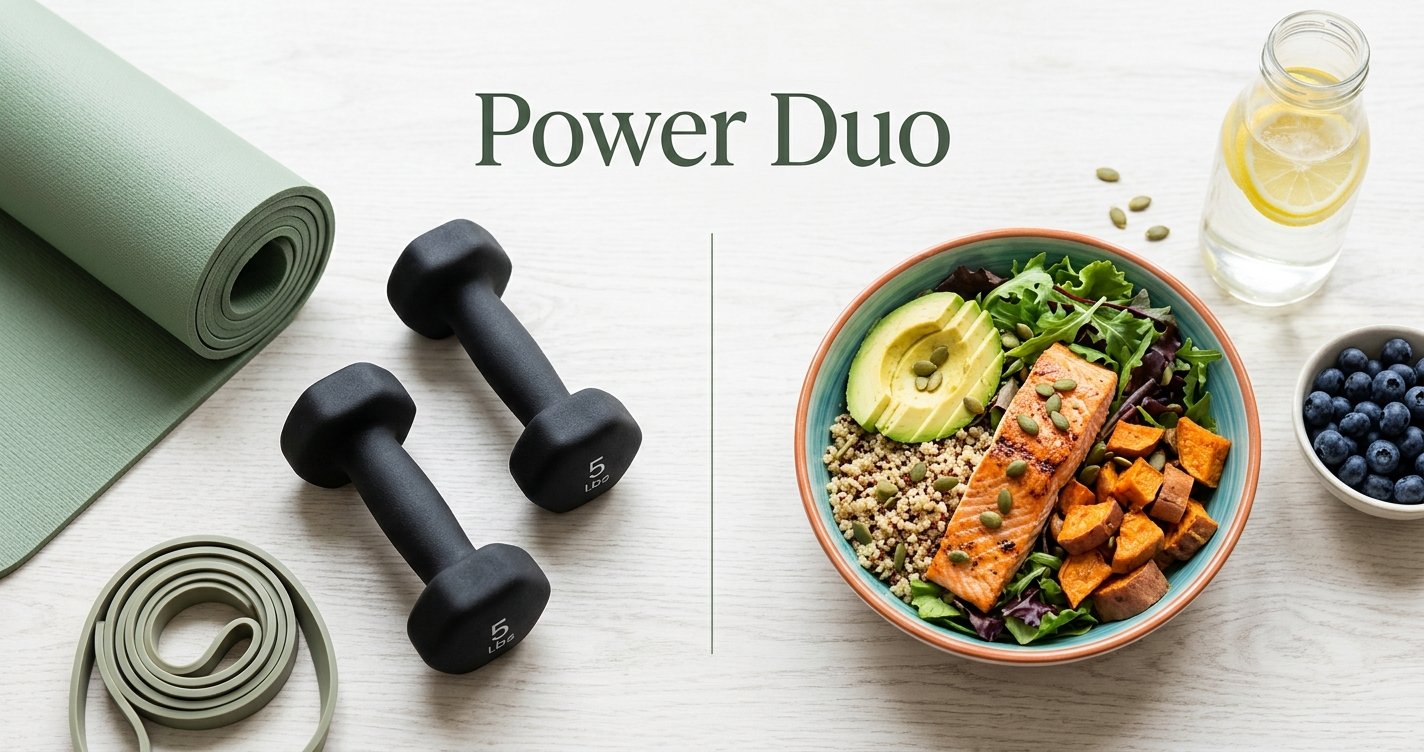
Welcome to the world where science meets common sense. Forget the fads and quick fixes. This guide will introduce you to the powerful, evidence-based combination of strength training and smart nutrition – a dynamic duo designed not just for losing weight, but for transforming your body composition, boosting your metabolism, and fostering a healthier, stronger you for life. Get ready to build a body you love, one sustainable habit at a time. this excellent wellness product
Why Crash Diets Fail (And What Works Instead)
The allure of rapid results is strong, leading many to extreme calorie restriction or highly restrictive diets. While these methods might show initial drops on the scale, they often come at a high cost:
- Muscle Loss: When you drastically cut calories, your body doesn't just burn fat; it often breaks down muscle tissue for energy. Muscle is metabolically active, meaning it burns more calories at rest than fat. Losing muscle slows your metabolism, making future fat loss harder and increasing the likelihood of weight regain.
- Metabolic Adaptation: Your body is incredibly smart. When it senses prolonged caloric deprivation, it adapts by slowing down your metabolism to conserve energy. This makes it progressively harder to lose weight even on very few calories.
- Unsustainability & Nutrient Deficiencies: Extreme diets are nearly impossible to stick to long-term. They often lead to nutrient deficiencies, intense cravings, and a poor relationship with food, inevitably resulting in a rebound effect once the diet ends.
Instead of deprivation, we advocate for a gentle, sustainable approach: creating a moderate calorie deficit through smart food choices and increased activity, coupled with strategies to preserve and even build muscle.
The Power of Strength Training for Fat Loss
When "fat loss" comes to mind, many immediately think of endless cardio. While cardio has its place for cardiovascular health, strength training is the undisputed champion for body recomposition and sustainable fat loss. Here's why:
- Muscle Preservation & Growth: Unlike restrictive diets, strength training signals to your body that your muscles are important and need to be maintained, even in a calorie deficit. In fact, if you're new to lifting or returning after a break, you can often build muscle while losing fat – a process known as body recomposition.
- Metabolic Boost: Muscle tissue is more metabolically active than fat tissue. The more muscle you have, the more calories your body burns at rest (your Basal Metabolic Rate or BMR). Strength training also creates an "afterburn effect" (EPOC - Excess Post-exercise Oxygen Consumption), meaning your body continues to burn calories at an elevated rate for hours after your workout as it recovers and repairs muscle tissue.
- Improved Body Shape: Building muscle doesn't just help you lose fat; it sculpts your body. You'll not only be smaller but also firmer, stronger, and more toned, achieving that desirable athletic physique.
- Increased Strength & Confidence: Beyond aesthetics, strength training empowers you. Lifting heavier weights, performing better, and feeling stronger in your daily life builds incredible confidence and adherence to your fitness journey.
Practical Strength Training Tips:
- Aim for 2-4 strength training sessions per week.
- Focus on compound movements: squats, deadlifts, bench press, overhead press, rows. These exercises work multiple muscle groups simultaneously, maximizing calorie burn and muscle activation.
- Progressive overload: Continuously challenge your muscles by gradually increasing weight, reps, sets, or decreasing rest times. This is key for continued adaptation and growth.
- Don't be afraid of heavy weights (with proper form!). Women especially benefit from lifting heavier, as it won't make you "bulky" but rather strong and lean.
Smart Nutrition: Fueling Your Fat Loss Journey
You can't out-train a bad diet. Nutrition plays a colossal role in fat loss, accounting for roughly 70-80% of your results. Smart nutrition isn't about deprivation; it's about making informed choices that support your goals, keep you full, and nourish your body.
- Protein is King: Prioritize high-quality protein sources at every meal (chicken, fish, lean beef, eggs, dairy, legumes, tofu). Protein is crucial for muscle repair and growth, and it's incredibly satiating, helping you feel fuller for longer and reducing cravings. Aim for roughly 0.7-1 gram of protein per pound of body weight per day.
- Fiber Up: Vegetables, fruits, and whole grains are packed with fiber. Fiber aids digestion, helps regulate blood sugar, and contributes significantly to satiety, making it easier to stick to your calorie goals.
- Healthy Fats are Essential: Don't fear fats! Healthy fats (avocado, nuts, seeds, olive oil, fatty fish) are vital for hormone production, nutrient absorption, and also contribute to satiety. Just remember they are calorie-dense, so portion control is key.
- Smart Carbohydrates: Carbohydrates are your body's preferred energy source. Focus on complex carbohydrates (oats, brown rice, quinoa, sweet potatoes, whole-grain bread) for sustained energy, especially around your workouts. Limit refined sugars and processed carbs that offer little nutritional value and can spike blood sugar.
- Hydration: Often overlooked, adequate water intake is critical. Water helps with metabolism, nutrient transport, and can even help manage hunger cues (sometimes thirst is mistaken for hunger!). Aim for 8-10 glasses a day.
- Calorie Awareness: While strict calorie counting isn't always necessary for everyone, understanding your approximate caloric needs and the calorie density of foods is empowering. A slight calorie deficit (250-500 calories below maintenance) is generally ideal for sustainable fat loss without sacrificing muscle.
Focus on Whole, Unprocessed Foods:
The simplest nutrition rule for fat loss is to prioritize whole, unprocessed foods. These are naturally lower in calories, higher in nutrients, and more satiating than their processed counterparts. Think fresh produce, lean meats, whole grains, and healthy fats.
Beyond the Gym and Plate: Lifestyle Factors for Success
Fat loss isn't just about what you do in the gym or what's on your plate. Your lifestyle plays a significant role in your body's ability to shed fat and maintain a healthy weight.
- Prioritize Sleep: Quality sleep (7-9 hours per night) is non-negotiable. Poor sleep disrupts hormones like ghrelin (hunger hormone) and leptin (satiety hormone), making you hungrier and less satisfied. It also increases cortisol, a stress hormone that can promote fat storage, especially around the midsection.
- Manage Stress: Chronic stress elevates cortisol levels, which can hinder fat loss and encourage cravings for unhealthy comfort foods. Incorporate stress-reducing activities into your routine: meditation, yoga, spending time in nature, reading, or hobbies you enjoy.
- Consistency Over Perfection: No one is perfect, and neither should your fat loss journey be. The occasional treat or missed workout won't derail your progress if you are consistent most of the time. Aim for 80/20 – 80% adherence to your plan, allowing 20% flexibility.
- Mindful Eating: Pay attention to your body's hunger and fullness cues. Eat slowly, savor your food, and avoid distractions. This helps prevent overeating and fosters a healthier relationship with food.
Setting Realistic Goals and Tracking Progress
Patience and persistence are your greatest allies. Fat loss is a marathon, not a sprint. Celebrate small victories and understand that progress isn't always linear.
- Realistic Expectations: A healthy and sustainable rate of fat loss is typically 1-2 pounds per week. Anything more aggressive often leads to muscle loss and rebound.
- Non-Scale Victories (NSVs): The scale doesn't tell the whole story. Pay attention to how your clothes fit, your energy levels, strength gains in the gym, improved mood, and better sleep. These NSVs are powerful indicators of progress.
- Track Progress Smartly: Besides the scale (weighing once a week, first thing in the morning), consider taking progress photos (every 4-6 weeks) and body measurements (waist, hips, arms, thighs). Log your workouts to see strength improvements.
- Adjust as Needed: If progress stalls for 2-3 weeks, re-evaluate your nutrition and training. Are you consistent? Is your calorie deficit still appropriate? Are you challenging yourself in the gym? Small adjustments can reignite progress.
Embrace the Journey to a Stronger, Leaner You
Sustainable fat loss isn't about quick fixes; it's about building a foundation of healthy habits that serve you for a lifetime. By embracing the powerful combination of strength training and smart nutrition, supported by crucial lifestyle factors, you're not just losing fat – you're building a stronger, more resilient body and mind. It's a journey of empowerment, self-discovery, and consistent effort that yields truly lasting results.
Start today. Make one small, sustainable change, and watch as those changes compound into the healthy, vibrant life you deserve. Your future self will thank you!