Unlock Sustainable Fat Loss: Your Ultimate Guide to Evidence-Based Nutrition
Are you tired of the endless cycle of fad diets, restrictive eating, and the frustrating "yo-yo" effect? You're not alone. Many people embark on a fat loss journey with enthusiasm, only to be derailed by unsustainable plans that promise quick fixes but deliver fleeting results. The truth is, lasting fat loss isn't about deprivation; it's about smart, sustainable nutrition strategies rooted in scientific evidence. This isn't just another diet plan; it's a comprehensive guide to understanding how food fuels your body and how to make choices that support your goals for the long haul. Let's ditch the quick fixes and embrace a path to a healthier, happier you!
Understanding the Basics: The Calorie Deficit Demystified
At its core, fat loss boils down to one fundamental principle: creating a calorie deficit. This means consuming fewer calories than your body burns over a consistent period. Your body then taps into its stored fat reserves for energy, leading to fat loss. this excellent wellness product
How to Create a Calorie Deficit Safely and Effectively
- Calculate Your Maintenance Calories: Use an online TDEE (Total Daily Energy Expenditure) calculator to estimate how many calories your body needs to maintain its current weight.
- Aim for a Moderate Deficit: A safe and sustainable deficit is typically around 300-500 calories below your maintenance level. This allows for steady fat loss (about 1-2 pounds per week) without feeling overly deprived or sacrificing essential nutrients.
- Don't Go Too Low: Severely restricting calories can slow your metabolism, lead to muscle loss, and make adherence incredibly difficult, often resulting in rebound weight gain.
Remember, this isn't about starvation; it's about mindful portion control and making nutrient-dense food choices that keep you satisfied.
Protein Power: Your Best Friend for Fat Loss
If there's one macronutrient you should prioritize for fat loss, it's protein. Protein plays a crucial role in several aspects of successful weight management.
The Multifaceted Benefits of Protein for Fat Loss
- Satiety: Protein is incredibly filling. Studies consistently show that a higher protein intake helps reduce appetite and makes you feel fuller for longer, reducing the likelihood of overeating.
- Muscle Preservation: When you're in a calorie deficit, your body can break down muscle tissue for energy. Adequate protein intake helps preserve lean muscle mass, which is vital for maintaining a healthy metabolism.
- Thermic Effect of Food (TEF): Protein has a higher TEF than carbohydrates or fats, meaning your body burns more calories digesting and metabolizing protein.
How Much Protein and Where to Find It?
Aim for 0.7-1 gram of protein per pound of your target body weight. Spread your protein intake across all your meals and snacks. Excellent sources include:
- Lean meats (chicken breast, turkey, lean beef)
- Fish and seafood (salmon, tuna, cod)
- Eggs
- Dairy (Greek yogurt, cottage cheese)
- Legumes (lentils, beans, chickpeas)
- Tofu and tempeh
- Protein powder (whey, casein, plant-based)
Embrace Whole Foods: Fueling Your Body, Not Just Filling It
The quality of your calories matters just as much as the quantity. Shifting your focus to whole, unprocessed foods is a game-changer for fat loss and overall health.
Why Whole Foods are Superior for Fat Loss
- Nutrient Density: Whole foods are packed with vitamins, minerals, and antioxidants essential for optimal bodily function.
- Higher Fiber Content: Unprocessed foods, especially fruits, vegetables, and whole grains, are rich in fiber, which aids satiety and digestion.
- Lower Calorie Density: Many whole foods, like vegetables, offer a large volume of food for relatively few calories, helping you feel full without overconsuming.
- No Hidden Sugars or Unhealthy Fats: Processed foods often contain added sugars, unhealthy trans fats, and artificial ingredients that can hinder fat loss and negatively impact health.
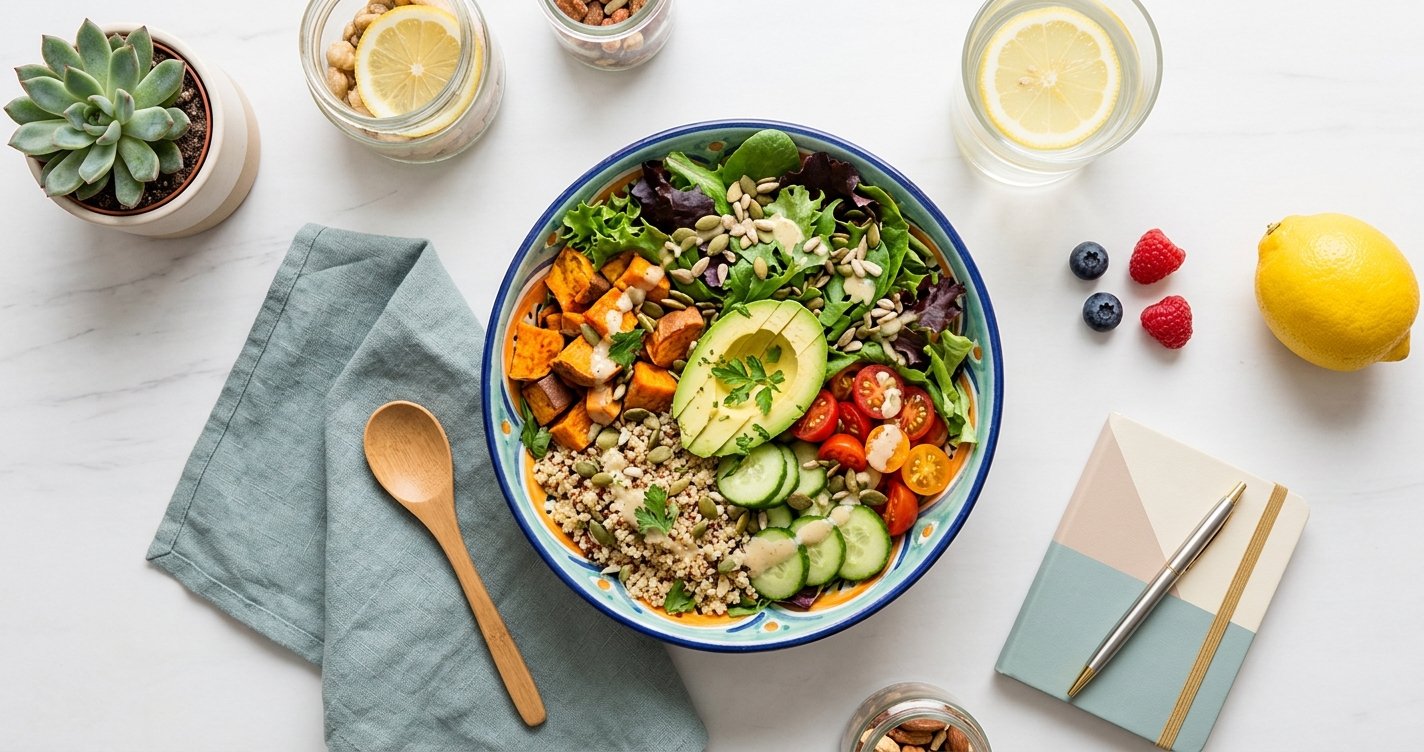
Make your plate colorful and diverse, focusing on fresh produce, lean proteins, and complex carbohydrates.
The Fiber Factor: Staying Full and Happy
Fiber is an unsung hero in the world of fat loss. It's a type of carbohydrate that your body can't digest, and it plays a vital role in keeping you satisfied and your digestive system healthy.
How Fiber Supports Your Fat Loss Goals
- Increased Satiety: Fiber adds bulk to your meals, making you feel fuller faster and for longer, which can naturally reduce your overall calorie intake.
- Blood Sugar Regulation: Soluble fiber helps slow down the absorption of sugar, preventing spikes and crashes that can lead to cravings.
- Improved Digestion: Fiber promotes regular bowel movements and supports a healthy gut microbiome, which is increasingly linked to weight management.
Incorporate high-fiber foods into every meal. Great sources include:
- Vegetables (broccoli, spinach, carrots, Brussels sprouts)
- Fruits (berries, apples, pears, bananas)
- Legumes (beans, lentils)
- Whole grains (oats, quinoa, brown rice, whole-wheat bread)
- Nuts and seeds (chia seeds, flax seeds, almonds)
Smart Carb & Healthy Fat Choices: Balance is Key
Carbohydrates and fats have often been demonized in the diet world, but they are essential macronutrients. The key is to choose the right types and consume them in appropriate portions.
Navigating Carbs and Fats for Optimal Results
- Complex Carbs Over Simple Carbs: Prioritize complex carbohydrates (whole grains, sweet potatoes, fruits, vegetables) which provide sustained energy and fiber. Limit refined carbs (white bread, sugary cereals, pastries) that cause rapid blood sugar spikes and crashes.
- Healthy Fats are Your Friends: Fats are crucial for hormone production, nutrient absorption, and satiety. Focus on unsaturated fats found in avocados, nuts, seeds, olive oil, and fatty fish. Limit saturated and trans fats found in processed foods and some animal products.
- Portion Control: While healthy, fats are calorie-dense. Be mindful of portion sizes for nuts, seeds, and oils.
A balanced plate typically includes a lean protein source, plenty of non-starchy vegetables, a serving of complex carbohydrates, and a small amount of healthy fats.
Hydration, Sleep, and Stress: The Unsung Heroes of Fat Loss
While nutrition is paramount, don't underestimate the profound impact of these often-overlooked lifestyle factors on your fat loss journey.
Why These Factors Matter
- Hydration: Drinking enough water can boost metabolism, help you feel full, and prevent you from mistaking thirst for hunger. Aim for 8-10 glasses a day.
- Sleep: Lack of sleep disrupts hormones that regulate appetite (ghrelin and leptin), leading to increased hunger and cravings, especially for unhealthy foods. Aim for 7-9 hours of quality sleep per night.
- Stress Management: Chronic stress elevates cortisol levels, which can promote fat storage, particularly around the midsection. Find healthy ways to manage stress, such as meditation, yoga, or spending time in nature.
Mindful Eating: Connecting with Your Body's Signals
Beyond what you eat, how you eat plays a significant role in fat loss. Mindful eating is about paying attention to your food, your body's signals, and the experience of eating.
Practical Tips for Mindful Eating
- Eat Slowly: It takes about 20 minutes for your stomach to signal to your brain that it's full. Slow down, chew thoroughly, and savor each bite.
- Listen to Your Body: Eat when you're hungry, and stop when you're comfortably full, not stuffed. Distinguish between physical hunger and emotional hunger.
- Minimize Distractions: Avoid eating in front of the TV, computer, or phone. Focus solely on your meal.
- Check In With Yourself: Before you reach for a snack, ask yourself, "Am I truly hungry, or am I bored, stressed, or thirsty?"
Mindful eating helps you develop a healthier relationship with food and prevents mindless overconsumption.
Consistency Over Perfection: Building Lasting Habits
The journey to sustainable fat loss is not a sprint; it's a marathon. There will be good days and challenging days. What truly matters is consistency, not perfection.
Embrace Progress, Not Perfection
- Small, Sustainable Changes: Focus on making one or two small, actionable changes at a time, rather than trying to overhaul everything overnight.
- Learn from Setbacks: Don't let a "bad" meal or day derail your entire progress. Acknowledge it, learn from it, and get back on track with your next meal.
- Patience is Key: Fat loss takes time. Celebrate small victories, trust the process, and be patient with yourself.
- Seek Support: Share your goals with friends or family, or consider working with a nutritionist or coach for personalized guidance and accountability.
Your Journey to Sustainable Success
Sustainable fat loss is within your reach. By focusing on evidence-based nutrition strategies – prioritizing protein and fiber, embracing whole foods, making smart carb and fat choices, and paying attention to hydration, sleep, stress, and mindful eating – you're building a foundation for lasting success. This isn't about dieting; it's about adopting a lifestyle that nourishes your body, fuels your energy, and helps you achieve your health goals in a way that feels good and is truly sustainable. You've got this!