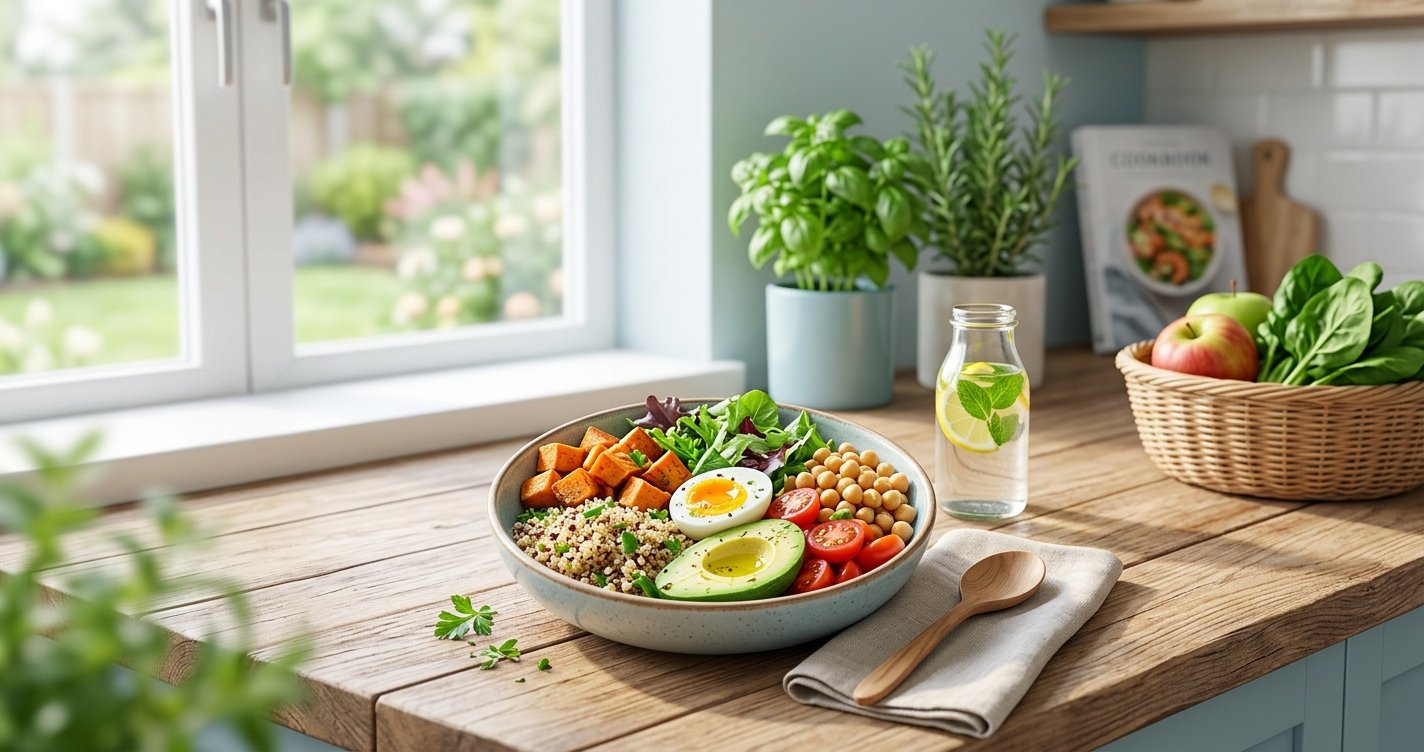
Unlock Sustainable Fat Loss: Your Ultimate Guide to Smarter Eating Habits
Embarking on a fat loss journey can feel like navigating a maze of conflicting advice, quick fixes, and restrictive diets. But what if we told you that the secret to lasting fat loss isn't about deprivation, but about building smarter, sustainable eating habits? It's true! Sustainable fat loss isn't just about shedding pounds; it's about transforming your relationship with food, nourishing your body, and creating a lifestyle you can genuinely enjoy for the long haul.
Forget the yo-yo dieting cycle. This comprehensive guide will equip you with evidence-based strategies to approach nutrition for fat loss in a way that's both effective and enjoyable. We'll dive into understanding your body's needs, optimizing your macronutrients, and cultivating mindful eating practices that pave the way for a healthier, happier you. this excellent wellness product
Beyond Crash Diets: Why Sustainability Matters for Fat Loss
The allure of rapid weight loss often leads us down the path of extreme diets – think juice cleanses, dangerously low-calorie plans, or eliminating entire food groups. While these might deliver quick initial results, they're rarely sustainable. Why?
- Nutrient Deficiencies: Restrictive diets often lack essential vitamins and minerals, leading to fatigue, poor immunity, and other health issues.
- Metabolic Slowdown: Severely cutting calories can signal your body to conserve energy, potentially slowing your metabolism and making future fat loss harder.
- Rebound Weight Gain: Once the diet ends, most people revert to old habits, often regaining more weight than they lost, thanks to a slower metabolism and increased hunger hormones.
- Poor Relationship with Food: Restrictive eating can foster guilt, shame, and an unhealthy obsession with food, leading to binge-eating cycles.
Sustainable fat loss, on the other hand, focuses on gradual, consistent changes that you can maintain indefinitely. It's about progress, not perfection, and understanding that your body thrives on balance and consistency.
The Foundation: Understanding Your Calorie Deficit
At its core, fat loss boils down to one fundamental principle: consuming fewer calories than your body expends. This creates a calorie deficit, prompting your body to tap into stored fat for energy. But 'fewer calories' doesn't mean 'as few as possible'.
- Calculate Your TDEE: Your Total Daily Energy Expenditure (TDEE) is the number of calories your body burns in a day, including basal metabolic rate (BMR), physical activity, and food digestion. Online calculators can provide an estimate.
- Create a Moderate Deficit: For sustainable fat loss, aim for a deficit of 300-500 calories below your TDEE. This typically results in a healthy and manageable loss of 1-2 pounds per week. Going too low can be detrimental, as discussed above.
- Listen to Your Body: These are estimates. Pay attention to hunger levels, energy, and how your clothes fit. Adjust as needed.
Remember, this isn't about starvation; it's about intelligent energy management.
Macronutrients: Fueling Your Body for Fat Loss
While total calories are king, the composition of those calories – your macronutrients (protein, carbohydrates, and fats) – plays a crucial role in satiety, muscle preservation, and overall well-being during fat loss.
Protein: The Satiety and Muscle Preserver
Protein is your best friend when it comes to fat loss. It's the most satiating macronutrient, meaning it keeps you feeling fuller for longer, reducing the likelihood of overeating. Moreover, adequate protein intake is vital for preserving muscle mass during a calorie deficit, which is crucial because muscle burns more calories at rest than fat.
- Sources: Lean meats (chicken breast, turkey), fish, eggs, dairy (Greek yogurt, cottage cheese), legumes, tofu, tempeh, protein powder.
- Recommendation: Aim for 0.7-1 gram of protein per pound of body weight (or target body weight) per day, distributed across your meals.
Carbohydrates: Energy and Fiber Friends
Carbohydrates have often been demonized, but they are your body's primary source of energy. The key is choosing the right kind.
- Complex Carbs: Found in whole grains (oats, brown rice, quinoa), fruits, and vegetables, these are rich in fiber, which aids digestion, promotes satiety, and stabilizes blood sugar levels.
- Simple Carbs: Found in sugary drinks, candies, and white bread, these offer quick energy but can lead to blood sugar spikes and crashes, leaving you hungry sooner.
Focus on whole, unprocessed carbohydrates. Portion control is important, especially with starchy carbs like rice and potatoes.
Fats: Essential for Hormones and Health
Fats are essential for hormone production, nutrient absorption, and brain health. They also contribute to satiety.
- Healthy Fats: Found in avocados, nuts, seeds, olive oil, and fatty fish (salmon, mackerel). These are crucial for overall health.
- Moderation is Key: Fats are calorie-dense (9 calories per gram compared to 4 for protein and carbs), so even healthy fats need to be consumed in moderation within your calorie budget.
Micronutrients and Whole Foods: The Unsung Heroes
While macros get a lot of attention, don't forget the power of micronutrients (vitamins and minerals) found abundantly in whole foods. Fruits, vegetables, and legumes are packed with these essential nutrients, along with fiber and antioxidants. They support overall health, boost energy levels, and help you feel vibrant and full during your fat loss journey.
- Eat the Rainbow: Aim for a wide variety of colorful fruits and vegetables to ensure you're getting a broad spectrum of nutrients.
- Fill Half Your Plate: Make non-starchy vegetables a significant portion of your meals to boost volume and nutrient density without adding excessive calories.
Practical Strategies for Smarter Eating Habits
Knowledge is power, but application is what truly drives results. Here are actionable strategies to integrate into your daily life:
Mindful Eating: Savoring Every Bite
Slow down and pay attention to your food. Mindful eating involves:
- Eating without distractions (no phone, TV).
- Chewing slowly and thoroughly.
- Noticing the taste, texture, and smell of your food.
- Listening to your body's hunger and fullness cues. Stop when you're satisfied, not stuffed.
This practice can help you eat less and enjoy your food more, improving digestion and reducing overeating.
Meal Planning & Preparation: Your Secret Weapon
Failing to plan is planning to fail. Preparing healthy meals in advance removes guesswork and reduces the likelihood of impulse, unhealthy choices.
- Plan Your Week: Dedicate time each week to plan your meals and snacks.
- Batch Cook: Prepare larger quantities of staples like cooked protein, grains, and chopped vegetables.
- Pack Your Lunch: Bring a healthy lunch to work or school to avoid expensive and often less nutritious options.
Hydration: Don't Forget Your Water!
Often overlooked, adequate water intake is crucial for fat loss. Water supports metabolism, helps transport nutrients, and can even help with satiety. Sometimes, what feels like hunger is actually thirst.
- Aim for 8-10 Glasses: Or simply drink consistently throughout the day.
- Drink Before Meals: A glass of water before eating can help you feel fuller and potentially eat less.
Dealing with Cravings and Social Situations
Life happens! Cravings and social events are inevitable. The goal isn't perfection, but consistency and smart choices.
- The 80/20 Rule: Eat nutritiously 80% of the time, allowing for some flexibility with the remaining 20%.
- Portion Control: When indulging, practice portion control. Enjoy a small slice of cake, not the whole thing.
- Plan Ahead for Events: If you know you're going to a party, eat a healthy snack beforehand, choose lighter options, and limit alcohol.
The Mindset Shift: Patience and Consistency
Fat loss is a journey, not a destination, and certainly not a race. There will be good days and challenging days. Embrace the process, celebrate small victories, and understand that consistency over time yields the best results.
- Be Patient: Sustainable fat loss is gradual. Trust the process and don't get discouraged by slow progress.
- Focus on Habits, Not Just the Scale: Track non-scale victories like increased energy, better sleep, improved strength, and clothes fitting better.
- Practice Self-Compassion: If you have an off day, don't beat yourself up. Acknowledge it, learn from it, and get back on track with your next meal.
Your Journey to Sustainable Fat Loss Starts Now!
You have the power to transform your body and your health through smarter eating habits. By focusing on a moderate calorie deficit, prioritizing protein and whole foods, practicing mindful eating, and embracing patience, you can achieve lasting fat loss without feeling deprived. This isn't just about changing your diet; it's about building a healthier, happier lifestyle. Start small, stay consistent, and celebrate every step of your incredible journey!