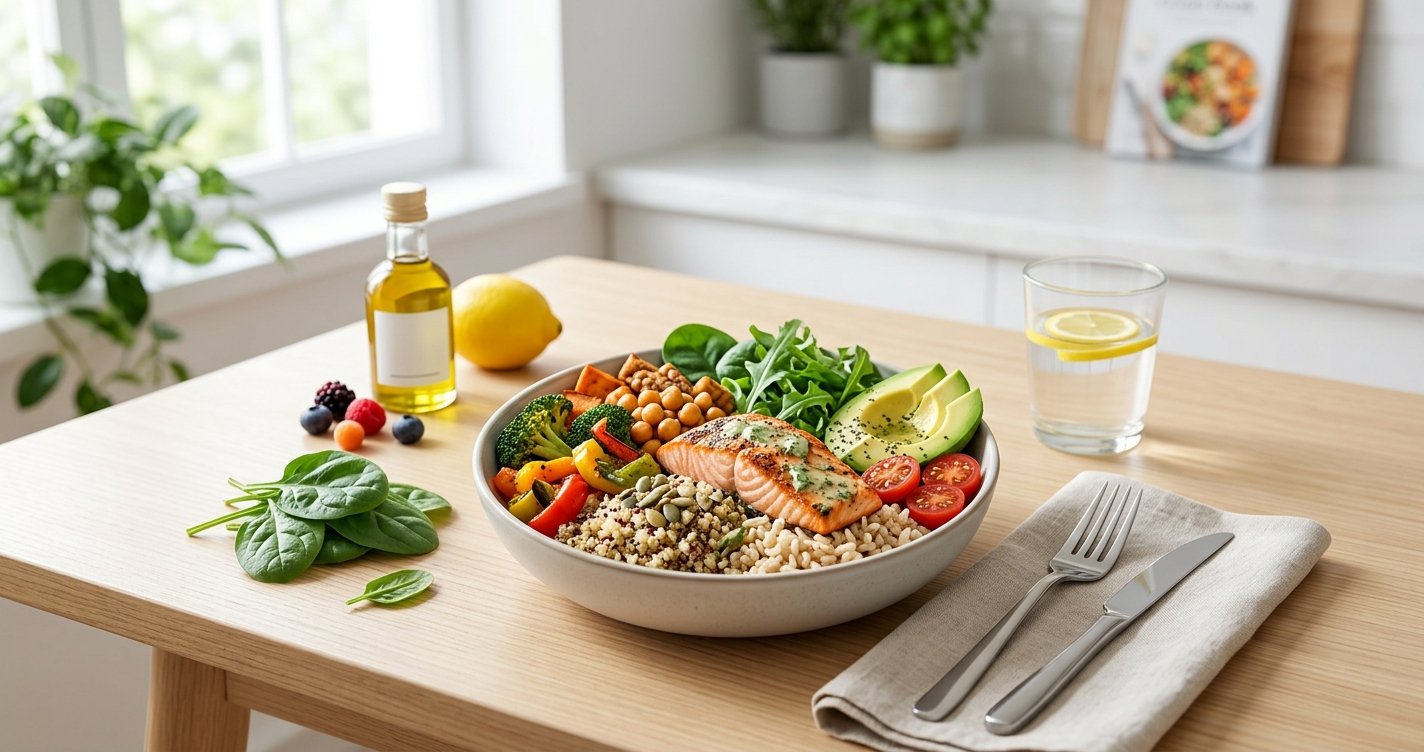
Are you tired of chasing quick-fix diets that promise the world but deliver only temporary results and frustration? You're not alone. The journey to sustainable fat loss often feels like a confusing maze, especially with so much conflicting information out there. But what if we told you that the key to lasting change isn't about deprivation, but about understanding and embracing the power of nutrition? It's time to shift your focus from dieting to nourishing your body for long-term success.
This guide isn't about restrictive eating plans or magic pills. Instead, we'll dive into evidence-based nutrition strategies that empower you to make informed choices, feel great, and achieve your fat loss goals in a way that's both effective and enjoyable. We'll explore how simple, sustainable changes to your eating habits can transform your body and your relationship with food forever. Let's get started on building a healthier, happier you! this excellent wellness product
The Foundation: Understanding Caloric Deficit
Let's get one fundamental truth out of the way: for fat loss to occur, you need to be in a caloric deficit. This simply means consuming fewer calories than your body expends. Think of it like a bank account: if you spend more than you deposit, your balance goes down. The same principle applies to your body's energy stores.
However, a caloric deficit doesn't mean starvation. Far from it! The goal is a modest, sustainable deficit that allows your body to tap into its fat reserves without feeling deprived or slowing down your metabolism too much. Extreme deficits often backfire, leading to muscle loss, nutrient deficiencies, and rebound weight gain. Our focus here is on how to achieve this deficit smartly, by prioritizing nutrient-dense foods that keep you full and satisfied.
Protein Power: Your Ally in Fat Loss
If there's one macronutrient that deserves a spotlight in your fat loss journey, it's protein. Protein is an absolute superstar for several compelling reasons:
- Satiety: Protein is incredibly filling. Including adequate protein in your meals helps you feel fuller for longer, reducing the likelihood of overeating and snacking on less nutritious options.
- Muscle Preservation: When you're in a caloric deficit, your body can sometimes break down muscle tissue for energy. Protein helps protect your precious muscle mass, which is crucial because muscle burns more calories at rest than fat does. More muscle = higher metabolism!
- Thermic Effect of Food (TEF): Your body uses energy to digest, absorb, and metabolize food. Protein has the highest TEF, meaning you burn more calories digesting protein compared to carbs or fats. It's a small but helpful boost to your daily energy expenditure.
How Much Protein Do You Need?
For fat loss, aiming for 0.7-1 gram of protein per pound of your target body weight (or current body weight if you're very active) is a good starting point. Spread your protein intake throughout the day across all your meals and snacks.
Excellent Protein Sources:
- Lean meats (chicken breast, turkey, lean beef)
- Fish and seafood (salmon, cod, shrimp)
- Eggs
- Dairy (Greek yogurt, cottage cheese, low-fat milk)
- Legumes (lentils, beans, chickpeas)
- Tofu and tempeh
- Protein powder (whey, casein, plant-based)
Fiber's Fantastic Role: Keeping You Full and Healthy
Fiber is another unsung hero in the world of fat loss. Often overlooked, this complex carbohydrate plays a vital role in keeping you satisfied, promoting digestive health, and even helping to regulate blood sugar levels.
There are two main types of fiber:
- Soluble Fiber: Dissolves in water, forming a gel-like substance that slows down digestion. This helps you feel full, stabilize blood sugar, and can even lower cholesterol. Found in oats, beans, apples, and citrus fruits.
- Insoluble Fiber: Doesn't dissolve in water and adds bulk to your stool, promoting regular bowel movements and preventing constipation. Found in whole grains, nuts, seeds, and the skins of many fruits and vegetables.
Both types are important! Aim for 25-35 grams of fiber per day. Incorporating fiber-rich foods means you'll naturally consume fewer calories because these foods are often lower in caloric density but high in volume and nutrients.
Top Fiber-Rich Foods:
- Whole grains (oats, quinoa, brown rice, whole-wheat bread)
- Fruits (berries, apples, pears, bananas)
- Vegetables (broccoli, spinach, carrots, Brussels sprouts)
- Legumes (beans, lentils, chickpeas)
- Nuts and seeds (chia seeds, flax seeds, almonds)
Mindful Eating: Beyond Just What You Eat
It’s not just about what you eat, but how you eat. Mindful eating is a powerful tool for fat loss that focuses on your awareness of the eating experience. In our fast-paced world, it's easy to eat on autopilot, often leading to overconsumption and a disconnect from our body's natural hunger and fullness cues.
Practice Mindful Eating By:
- Eating Slowly: Savor each bite. It takes about 20 minutes for your brain to register that your stomach is full.
- Paying Attention: Eliminate distractions like TV, phones, or work. Focus on the colors, textures, aromas, and flavors of your food.
- Listening to Your Body: Eat when you're truly hungry, not just bored, stressed, or emotional. Stop when you're comfortably full, not stuffed.
- Being Grateful: Appreciate your food and the nourishment it provides.
Mindful eating helps you enjoy your food more, reduces stress around eating, and can naturally lead to consuming fewer calories without feeling deprived.
Smart Carb and Fat Choices: Quality Over Quantity
Carbohydrates and fats have often been demonized, but they are essential macronutrients that provide energy, support hormone function, and help absorb fat-soluble vitamins. The key is to choose the right types and manage your portions.
Carbohydrates:
Focus on complex carbohydrates, which are rich in fiber and nutrients, providing sustained energy without sharp blood sugar spikes. Limit refined carbs, which are often stripped of their nutrients and can lead to energy crashes and cravings.
- Good Choices: Whole grains, fruits, vegetables, legumes.
- Limit: White bread, pastries, sugary cereals, soda, candy.
Fats:
Healthy fats are crucial for overall health and can even aid in satiety. However, fats are calorie-dense, so portion control is vital.
- Good Choices: Avocados, nuts, seeds, olive oil, fatty fish (salmon, mackerel).
- Limit: Trans fats (found in many processed foods), excessive saturated fats.
Hydration Heroes: Don't Forget Water!
Water is often overlooked in fat loss discussions, but it's incredibly important. Staying well-hydrated supports your metabolism, aids digestion, and can even help manage hunger. Sometimes, your body can mistake thirst for hunger, leading you to reach for snacks when all you really need is a glass of water.
Aim for at least 8 glasses (around 2 liters) of water a day, and more if you're active or in a hot climate. Keep a water bottle handy and sip throughout the day.
Practical Tips for Everyday Success
Knowledge is power, but application is key. Here are some actionable tips to integrate these nutrition strategies into your daily life:
- Meal Prepping: Dedicate a few hours each week to prepare healthy meals and snacks in advance. This saves time, reduces decision fatigue, and ensures you always have nutritious options readily available.
- Read Food Labels: Become a detective! Understand serving sizes, calorie counts, and the nutritional content of packaged foods. Pay attention to sugar, unhealthy fats, and fiber content.
- Smart Snacking: If you need snacks, choose wisely. Think protein and fiber: Greek yogurt with berries, a handful of almonds, apple slices with peanut butter, or vegetable sticks with hummus.
- Cook at Home More Often: When you cook your own meals, you have full control over the ingredients, portion sizes, and cooking methods.
- Dealing with Cravings: Instead of fighting cravings, understand them. Are you truly hungry, or is it emotional? If you decide to indulge, do so mindfully and in moderation, then get back on track with your next meal.
- Prioritize Sleep: While not directly nutrition, poor sleep can wreak havoc on hunger hormones (ghrelin and leptin), making you hungrier and more prone to cravings for unhealthy foods. Aim for 7-9 hours of quality sleep.
The Big Picture: Consistency, Patience, and Enjoyment
Sustainable fat loss isn't a race; it's a marathon. It's about building consistent, healthy habits that you can maintain for life. There will be days when you don't eat perfectly, and that's absolutely okay. Don't let one less-than-ideal meal derail your entire journey. Get back on track with your next meal and learn from the experience.
Be patient with yourself. Fat loss is rarely linear, and plateaus are a normal part of the process. Trust the process, stay consistent, and celebrate small victories along the way. Most importantly, find joy in nourishing your body with delicious, wholesome foods. This isn't about punishment; it's about empowerment and building a healthier, more vibrant you.
Ready to Transform Your Approach to Fat Loss?
By focusing on protein, fiber, mindful eating, smart carb and fat choices, and consistent hydration, you're not just losing weight; you're building a foundation for lifelong health and well-being. Embrace these strategies, be kind to yourself, and watch as you unlock sustainable fat loss and a healthier, happier you. Your journey starts now!