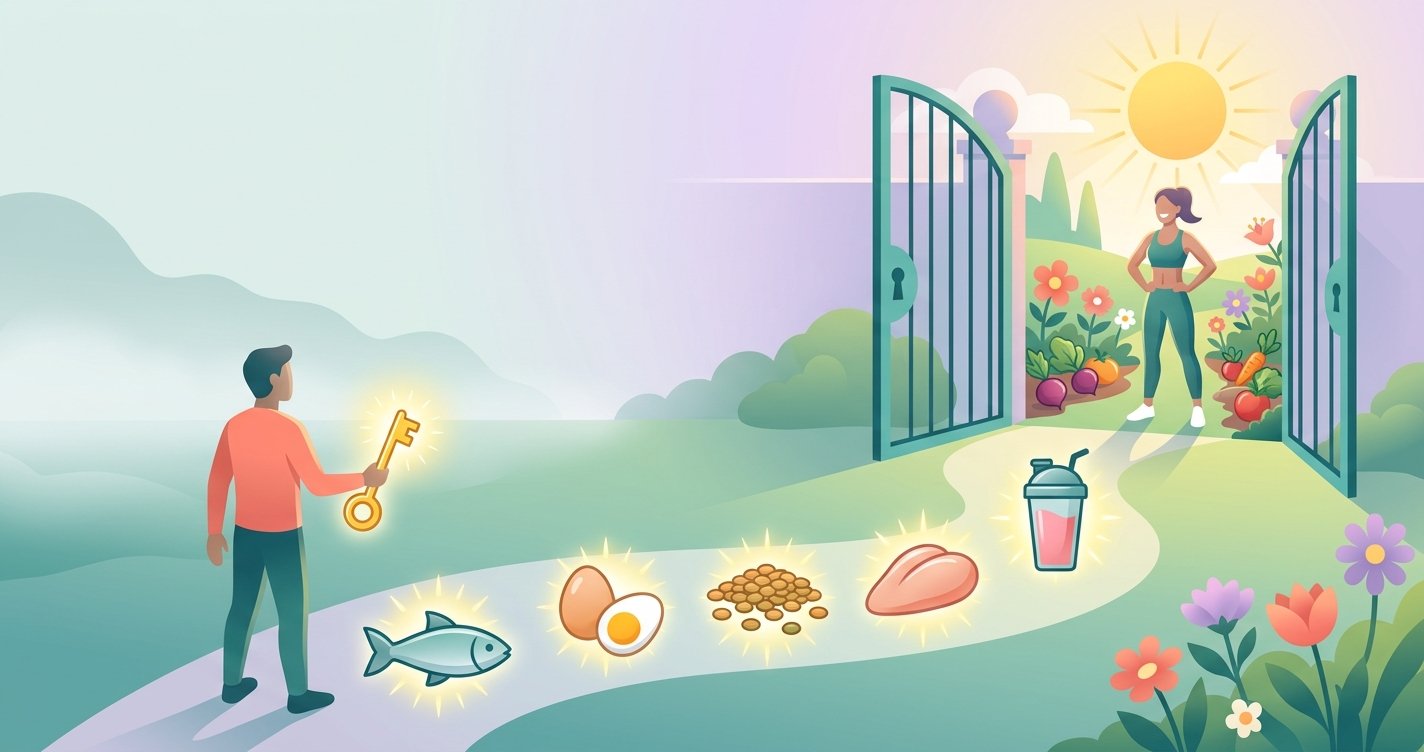
Unlock Sustainable Fat Loss: The Unbeatable Power of Protein
Are you tired of the fat loss rollercoaster? The endless cycle of restrictive diets, quick fixes, and disappointing rebounds? What if we told you there’s a powerful, scientifically-backed nutrient that can be your secret weapon for not just losing fat, but keeping it off sustainably? Enter protein. Often overlooked amidst the hype of other macros, protein is a true game-changer for anyone serious about lasting fat loss. It's not just for bodybuilders; it's for you, and in this post, we’re going to dive deep into why protein is your ultimate ally.
We'll explore how boosting your protein intake can help you feel fuller, burn more calories, and protect your precious muscle mass, all while making your fat loss journey more manageable and enjoyable. Get ready to empower yourself with evidence-based strategies to harness the incredible power of protein! this excellent wellness product
Why Protein is Your Fat Loss MVP (Most Valuable Player)
When it comes to shedding unwanted fat, protein wears many hats. It plays crucial roles that directly impact your ability to create a calorie deficit, manage hunger, and maintain a healthy metabolism. Let's break down the three main reasons why protein stands out:
- Superior Satiety: Protein helps you feel full and satisfied for longer, reducing overall calorie intake.
- Thermic Effect of Food (TEF): Your body burns more calories digesting protein than it does carbs or fats.
- Muscle Preservation: Adequate protein helps protect your muscle mass, which is vital for a healthy metabolism, especially when you're in a calorie deficit.
The Satiety Secret: Feeling Fuller, Longer
One of the biggest hurdles in any fat loss journey is hunger. Cravings and persistent hunger can derail even the most determined efforts. This is where protein shines brightest. Protein has a remarkable ability to increase satiety – the feeling of fullness and satisfaction – far more effectively than carbohydrates or fats.
How does it work? Protein influences several hormones that regulate appetite. It helps to reduce levels of ghrelin, the 'hunger hormone,' while increasing levels of satiety hormones like GLP-1, PYY, and cholecystokinin (CCK). Research consistently shows that higher protein diets lead to greater feelings of fullness and can significantly reduce late-night snacking and overall calorie consumption. Imagine going about your day without constantly thinking about your next meal – that's the power of protein at work!
Burn More Calories Just By Eating? Hello, Thermic Effect!
Yes, you read that right! Your body expends energy just to digest, absorb, and metabolize the food you eat. This is known as the Thermic Effect of Food (TEF), and it accounts for roughly 10% of your daily calorie expenditure. But here's the exciting part: not all macronutrients are created equal when it comes to TEF.
Protein has the highest TEF among the three macronutrients. While fats have a TEF of 0-3% and carbohydrates 5-10%, protein boasts a TEF of 20-30%! This means that for every 100 calories of protein you consume, your body uses 20-30 calories just to process it. In simple terms, eating more protein gives you a small but significant metabolic boost throughout the day, helping you burn more calories passively. Over time, this 'protein advantage' can really add up, making your calorie deficit easier to achieve and maintain.
Protecting Your Muscle While Shedding Fat
When you're in a calorie deficit to lose fat, your body doesn't always discriminate. It can sometimes break down muscle tissue for energy, especially if you're not consuming enough protein. This is a problem because muscle is metabolically active – it burns more calories at rest than fat tissue. Losing muscle can slow down your metabolism, making future fat loss harder and increasing the likelihood of weight regain.
This is where protein steps in as your muscle guardian. Adequate protein intake provides your body with the essential amino acids it needs to repair and build muscle. By consuming enough protein, especially when combined with strength training, you send a strong signal to your body to prioritize burning fat for fuel while preserving your valuable muscle mass. This ensures that when you step on the scale, you're losing fat, not muscle, and maintaining a robust metabolism for long-term success.
How Much Protein Do You Really Need for Fat Loss?
The standard dietary recommendations for protein are often based on general health, not optimized for fat loss. For sustainable and effective fat loss, research suggests a higher intake than the minimum. A good general guideline is to aim for 1.6 to 2.2 grams of protein per kilogram (or 0.7 to 1 gram per pound) of your target body weight per day.
For example, if your target body weight is 70 kg (about 154 lbs), you'd aim for roughly 112 to 154 grams of protein per day. If you're very active or significantly overweight, you might even benefit from the higher end of this range.
Is too much protein harmful? This is a common concern, but for healthy individuals with normal kidney function, there's no strong evidence that a high-protein diet within these ranges causes kidney damage. Always consult with a healthcare professional if you have pre-existing kidney conditions or other health concerns.
Practical Protein Power-Ups: Making It Easy
Now that you know why protein is so important, let's talk about how to seamlessly integrate more of it into your daily routine. It's easier than you think!
Start with Breakfast:
- Eggs: A classic for a reason! Scrambled, poached, or in an omelet.
- Greek Yogurt or Skyr: High in protein, great with berries or a sprinkle of nuts.
- Protein Smoothie: Combine protein powder, spinach, berries, and a liquid base.
Lunch & Dinner Heroes:
- Lean Meats: Chicken breast, turkey, lean beef, pork tenderloin.
- Fish & Seafood: Salmon, tuna, cod, shrimp (excellent sources!).
- Legumes: Lentils, chickpeas, black beans (great plant-based options).
- Tofu & Tempeh: Versatile plant-based proteins that soak up flavor.
Smart Snacking:
- Cottage Cheese: Creamy, satisfying, and packed with protein.
- Hard-Boiled Eggs: Portable and convenient.
- Protein Bars/Shakes: A good option when you're on the go and need a quick boost.
- Edamame: Delicious and easy to prepare.
Tip: Aim to spread your protein intake throughout the day. Instead of one huge protein meal, try to get 20-40 grams of protein at each main meal to maximize muscle protein synthesis and satiety.
Beyond Protein: The Holistic Approach to Fat Loss
While protein is a superstar, it's important to remember that it's one powerful piece of a larger puzzle. For truly sustainable fat loss, consider these other crucial elements:
- Calorie Deficit: Ultimately, you need to consume fewer calories than you burn. Protein helps you achieve this more easily.
- Strength Training: Lifting weights is paramount for preserving and building muscle, which works synergistically with protein.
- Adequate Sleep: Poor sleep can disrupt hunger hormones and make fat loss incredibly challenging. Aim for 7-9 hours.
- Hydration: Drinking enough water supports metabolism and can help manage hunger.
- Stress Management: Chronic stress can lead to increased cortisol, which can hinder fat loss.
Your Sustainable Fat Loss Journey Starts Now!
Embracing protein as a cornerstone of your diet isn't about restriction; it's about empowerment. It's about fueling your body intelligently to feel satisfied, boost your metabolism, and protect your hard-earned muscle. By making conscious choices to prioritize protein, you're not just aiming for temporary weight loss – you're building a foundation for a healthier, stronger, and more sustainable lifestyle.
So, take a look at your plate today. How can you add a little more protein power? Start small, be consistent, and watch as this incredible nutrient transforms your fat loss journey from a struggle into a sustainable success story. You've got this!