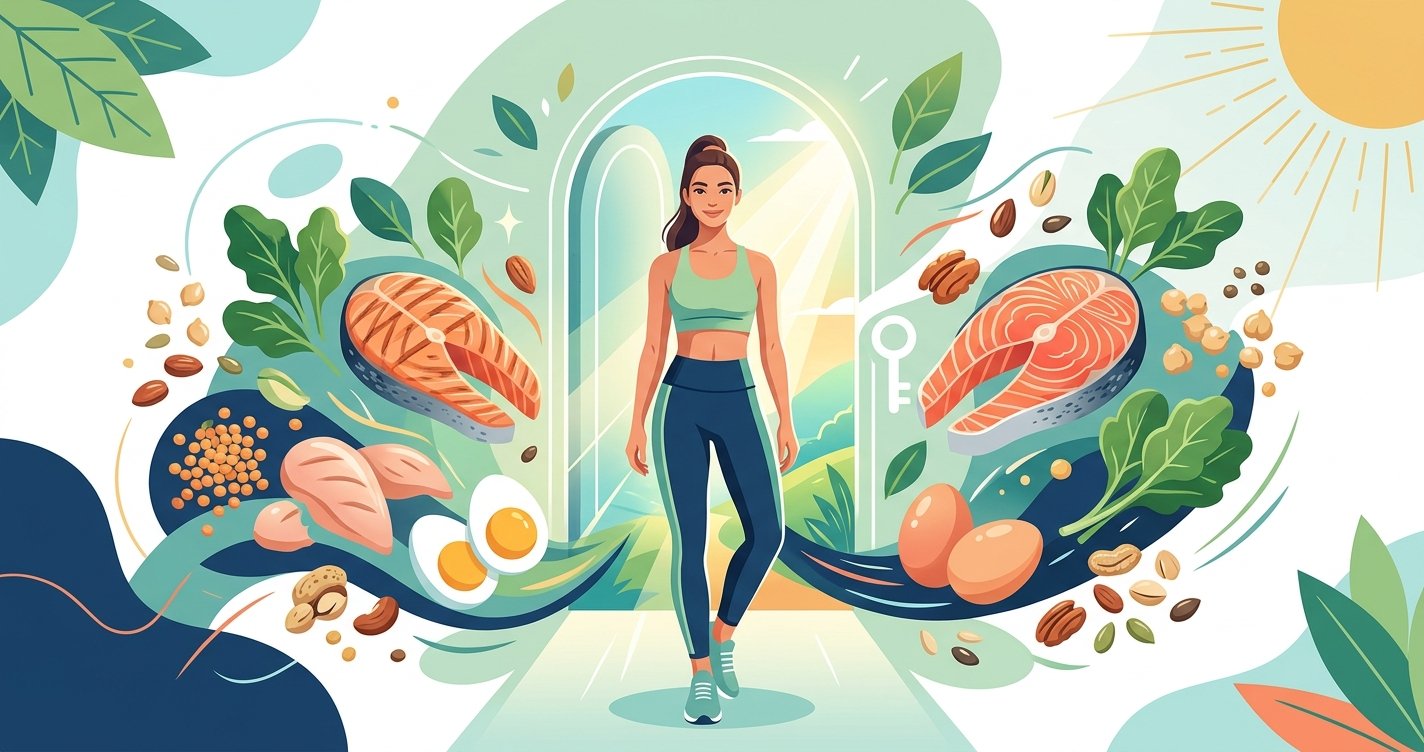
Unlock Sustainable Fat Loss: The Unbeatable Power of Protein
Are you tired of the endless cycle of restrictive diets, feeling constantly hungry, and seeing the scale yo-yo? Many people embark on a fat loss journey focusing solely on cutting calories, only to find themselves battling cravings, losing precious muscle, and ultimately regaining the weight. What if there was a powerful, evidence-based tool that could make your fat loss journey smoother, more sustainable, and far more effective? Enter protein – your new best friend in the quest for a leaner, healthier you.
Often associated only with bodybuilders, protein is a macronutrient vital for everyone, especially when aiming for fat loss. It's not just about building big muscles; it's about optimizing your metabolism, controlling hunger, and preserving the muscle you already have. Let's dive into how prioritizing protein can revolutionize your fat loss efforts, backed by science and delivered with a friendly, encouraging nudge. this excellent wellness product
Why Protein is Your Best Friend for Fat Loss
Protein isn't just another food group; it's a strategic ally in your fat loss mission. Its unique properties work synergistically to help you achieve your goals without the constant struggle.
The Satiety Superstar: Feeling Fuller, Longer
One of the biggest challenges in any fat loss plan is managing hunger. Cravings and a rumbling stomach can quickly derail even the most determined efforts. This is where protein shines brightest. Compared to carbohydrates and fats, protein is by far the most satiating macronutrient. What does this mean for you?
- Hormonal Harmony: When you eat protein, your body releases specific hormones like CCK, GLP-1, and PYY, which signal to your brain that you're full and satisfied. Simultaneously, it helps to suppress ghrelin, the 'hunger hormone'.
- Reduced Cravings: By keeping you feeling fuller for longer, protein naturally reduces the urge to snack unnecessarily or overeat at your next meal. This makes adhering to a calorie deficit much more manageable and less like a constant battle against your own appetite.
Imagine going through your day feeling genuinely satisfied after meals, rather than constantly thinking about your next snack. That's the power of protein!
The Metabolic Boost: Protein's Thermic Effect
Every time you eat, your body expends energy to digest, absorb, and metabolize the food. This is known as the Thermic Effect of Food (TEF). While all macronutrients have a TEF, protein stands head and shoulders above the rest.
- Higher Energy Burn: Protein has the highest TEF, meaning your body burns significantly more calories processing protein (20-30% of its caloric content) compared to carbohydrates (5-10%) or fats (0-3%).
- Small Gains Add Up: While it might seem like a small difference on a meal-to-meal basis, this 'metabolic boost' from protein adds up over time, contributing to a greater overall calorie expenditure throughout your day. It’s like getting a little extra workout just by choosing protein-rich foods!
This natural metabolic advantage makes protein an invaluable tool for creating and maintaining the calorie deficit necessary for fat loss.
Muscle Guardian: Preserving Lean Body Mass
When you lose weight, the goal is always to lose fat, not muscle. Muscle tissue is metabolically active, meaning it burns more calories at rest than fat tissue. Losing muscle can slow down your metabolism, making future fat loss harder and increasing the likelihood of regaining lost weight. This is often the pitfall of crash diets.
- Muscle Preservation: Adequate protein intake is crucial for preserving lean body mass during a calorie deficit. Your body uses amino acids from protein to repair and build muscle tissue.
- Improved Body Composition: By helping you retain muscle while losing fat, protein contributes to a leaner, more toned physique, often referred to as improving your body composition. You might weigh the same, but look and feel much fitter!
Combined with resistance training (which we'll touch on later), protein becomes an unstoppable force in protecting your metabolism and sculpting your body.
How Much Protein Do You Really Need?
The recommended daily allowance (RDA) for protein is often cited as 0.8 grams per kilogram of body weight, but this is merely the minimum to prevent deficiency, not to optimize body composition or fat loss. For active individuals or those aiming for fat loss, higher intakes are generally more beneficial.
General Guidelines vs. Individual Needs
While there's no one-size-fits-all answer, a good starting point for fat loss is typically:
- 0.7 to 1.0 gram of protein per pound of body weight (or 1.6 to 2.2 grams per kilogram of body weight).
For example, if you weigh 150 pounds, aiming for 105-150 grams of protein per day would be a great target. If you're very active, older, or significantly overweight, your specific needs might vary, and consulting a nutritionist or dietitian can provide personalized guidance.
Spreading It Out: Timing Your Protein Intake
Instead of trying to cram all your protein into one or two large meals, aim to distribute your intake throughout the day. This approach offers several benefits:
- Optimized Muscle Protein Synthesis (MPS): Spreading protein across 3-5 meals helps to consistently stimulate muscle protein synthesis, the process by which your body builds and repairs muscle.
- Sustained Satiety: Regular protein intake helps keep hunger at bay throughout the day, preventing those sudden drops in energy and the urge to grab unhealthy snacks.
Think about incorporating a protein source into every meal and even your snacks.
Practical Ways to Power Up Your Protein
Now that you understand the 'why,' let's get into the 'how.' Incorporating more protein into your diet doesn't have to be complicated or boring.
Top Protein-Rich Food Sources
There's a vast array of delicious options to help you hit your protein targets:
- Animal-Based: Lean meats (chicken breast, turkey, lean beef, pork tenderloin), fish (salmon, tuna, cod), eggs, dairy products (Greek yogurt, cottage cheese, milk, whey protein).
- Plant-Based: Lentils, beans (black beans, chickpeas), tofu, tempeh, edamame, quinoa, protein pasta, nuts and seeds (though these are also high in fat, so portion control is key).
Don't be afraid to mix and match to keep your meals exciting and diverse!
Smart Meal Planning & Snacking
Making protein a priority in your meal planning can significantly impact your daily intake:
- Breakfast Boost: Start your day with protein. Instead of sugary cereals, opt for scrambled eggs, Greek yogurt with berries, or a protein smoothie.
- Lunch & Dinner Anchors: Make lean protein the centerpiece of your lunch and dinner. A generous portion of chicken, fish, or plant-based protein alongside plenty of vegetables.
- Strategic Snacking: Choose high-protein snacks to bridge the gap between meals and prevent excessive hunger. Think hard-boiled eggs, a handful of almonds, a serving of cottage cheese, or jerky.
- Simple Swaps: Replace lower-protein items with higher-protein alternatives. For example, swap regular yogurt for Greek yogurt, or white bread for whole-grain bread with added protein.
When to Consider Supplements
While whole foods should always be your primary source of nutrition, protein supplements can be a convenient and effective way to meet your daily protein needs, especially if you have a busy lifestyle or specific dietary restrictions.
- Convenience: Protein powders (whey, casein, soy, pea, rice) are quick to prepare and easy to consume on the go.
- Filling Gaps: If you struggle to get enough protein from food alone, a protein shake can help you hit your targets without adding excessive calories from other macronutrients.
Remember, supplements are designed to *supplement* your diet, not replace nutrient-dense whole foods. Always check ingredients and choose reputable brands.
Beyond Protein: Synergistic Strategies for Success
While protein is a superstar for fat loss, it works best when combined with other healthy habits. Think of these as the supporting cast that elevates protein's performance.
Don't Forget the Weights!
Resistance training (lifting weights, bodyweight exercises) is incredibly important for fat loss. It complements protein intake by:
- Building and Preserving Muscle: This is critical for maintaining a robust metabolism and achieving a toned physique.
- Boosting Metabolism: Muscle tissue burns more calories at rest than fat, so building more muscle means your body becomes a more efficient fat-burning machine 24/7.
Aim for 2-3 resistance training sessions per week, and remember to fuel those muscles with plenty of protein!
Hydration and Fiber are Key
Don't underestimate the power of water and fiber:
- Hydration: Drinking enough water is essential for metabolism, energy levels, and can even help with satiety. Sometimes, thirst is mistaken for hunger.
- Fiber: Found in many protein sources like beans and lentils, as well as fruits and vegetables, fiber adds bulk to your diet, promoting fullness and supporting healthy digestion.
Prioritize Sleep and Manage Stress
Your lifestyle habits play a huge role in your fat loss success:
- Quality Sleep: Lack of sleep can disrupt hunger-regulating hormones (ghrelin and leptin), leading to increased cravings and a tendency to store fat. Aim for 7-9 hours of quality sleep per night.
- Stress Management: Chronic stress elevates cortisol levels, which can promote fat storage, especially around the belly. Incorporate stress-reducing activities like meditation, yoga, or spending time in nature.
Embrace the Power of Protein for Lasting Change
Embarking on a fat loss journey can feel overwhelming, but by understanding and harnessing the power of protein, you've equipped yourself with a truly effective, evidence-based strategy. Protein isn't a magic bullet, but it's an incredibly powerful tool that helps you feel fuller, boost your metabolism, and preserve your precious muscle mass – all crucial elements for sustainable fat loss.
Forget the extreme restrictions and embrace a diet rich in delicious, satisfying protein. Start by making small, consistent changes: add an extra serving of lean protein to your lunch, swap your afternoon sugary snack for Greek yogurt, or try a protein-packed breakfast. These small steps accumulate into significant, lasting results.
Remember, your journey to a healthier you is about nourishing your body, not depriving it. With protein as your guide, you're not just losing weight; you're building a stronger, more vibrant, and more sustainable foundation for your health. You've got this!