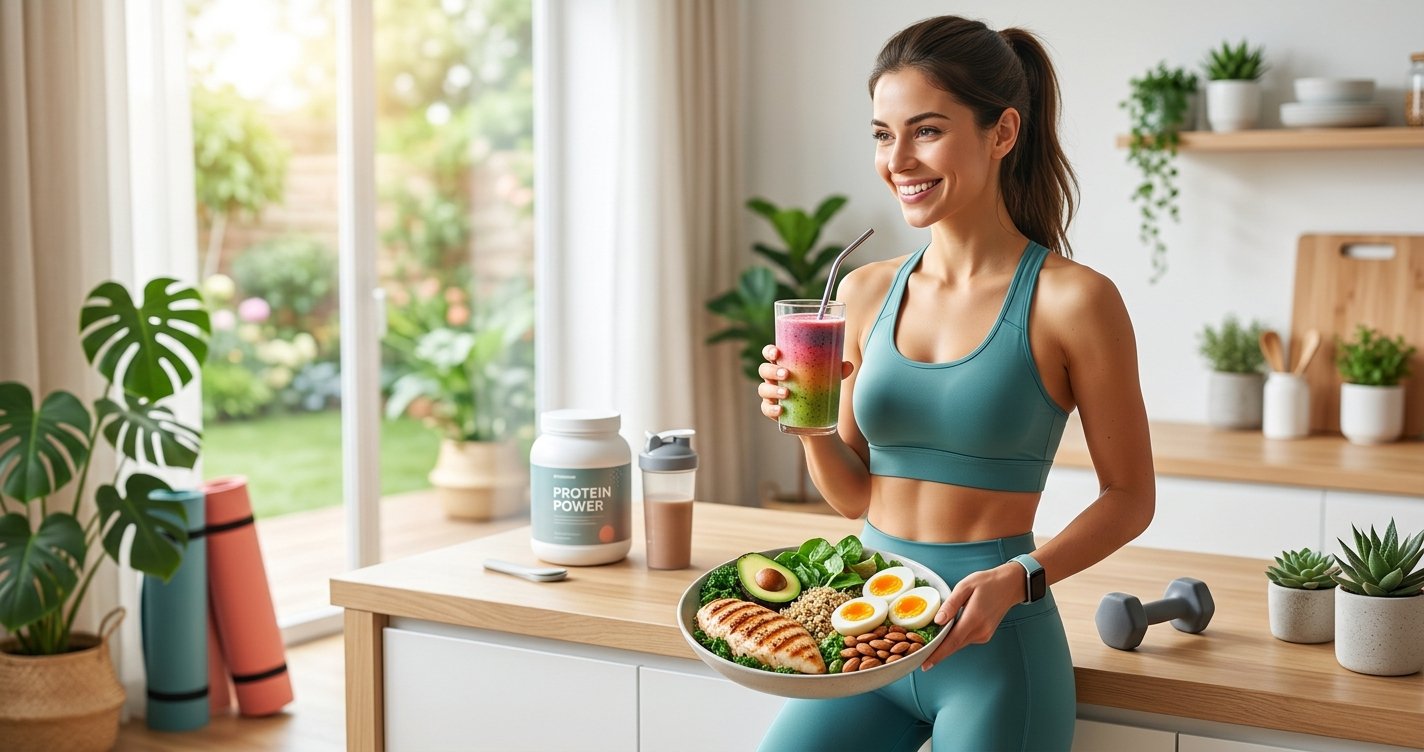
Are you tired of the endless cycle of restrictive diets, quick fixes, and the frustration of losing weight only to gain it back? You’re not alone. Many of us have been there, chasing the latest fat loss trend, only to find it unsustainable. But what if there was a powerful, science-backed nutrient that could make your fat loss journey not just effective, but genuinely enjoyable and lasting? Enter protein – your unsung hero in the quest for a leaner, healthier you.
Often overshadowed by complex meal plans or extreme calorie restrictions, protein is a fundamental macronutrient that plays a critical, yet frequently underestimated, role in sustainable fat loss. It’s not just for bodybuilders; it’s for anyone looking to shed excess body fat, preserve precious muscle, and feel satisfied while doing it. Let's dive deep into why prioritizing protein could be the game-changer you’ve been searching for. this excellent wellness product
Why Protein Is Your Fat Loss MVP (Most Valuable Player)
Think of protein as a triple threat against unwanted fat. It tackles the challenge from multiple angles, making it an indispensable ally in your fat loss strategy.
The Satiety Powerhouse: Stay Fuller, Longer
One of the biggest hurdles in fat loss is hunger. Cravings, constant thoughts about food, and the urge to snack can derail even the most determined efforts. This is where protein shines. Protein is known for its incredible ability to promote satiety – that feeling of fullness and satisfaction after a meal. Studies consistently show that a higher protein intake can significantly reduce appetite and spontaneous calorie intake later in the day.
How does it work? Protein influences the release of gut hormones like GLP-1 and PYY, which signal to your brain that you're full, while simultaneously reducing levels of ghrelin, the 'hunger hormone'. This means fewer cravings, less mindless snacking, and ultimately, easier adherence to a calorie deficit.
The Thermic Effect of Food (TEF): Burn More Just By Eating
Did you know that your body burns calories just to digest, absorb, and metabolize the food you eat? This is known as the Thermic Effect of Food (TEF). And guess what? Protein has a significantly higher TEF compared to carbohydrates and fats. Roughly 20-30% of the calories from protein are burned during its digestion, compared to just 5-10% for carbs and 0-3% for fats.
This means that simply by choosing protein-rich foods, you're giving your metabolism a little boost, burning more calories throughout the day without any extra effort. Over time, these small increases in energy expenditure can add up to a meaningful difference in your fat loss journey.
Muscle Preservation: Protect Your Metabolism
When you're in a calorie deficit to lose fat, there's always a risk of losing not just fat, but also valuable muscle mass. This is problematic because muscle is metabolically active – it burns more calories at rest than fat does. Losing muscle can slow down your metabolism, making it harder to lose fat and easier to regain it.
A higher protein intake is crucial for preserving lean muscle mass during a fat loss phase. Protein provides the essential amino acids your body needs to repair and build muscle tissue. By safeguarding your muscle, you're protecting your metabolic engine, ensuring that your body continues to burn calories efficiently, even when you're not actively exercising.
How Much Protein Do You Really Need for Fat Loss?
So, what's the magic number? While individual needs vary, scientific evidence suggests that for effective fat loss and muscle preservation, aiming for a higher protein intake than the standard recommended daily allowance is beneficial.
- General Recommendation: For most active individuals looking to lose fat, a range of 1.6 to 2.2 grams of protein per kilogram of body weight (or 0.7 to 1 gram per pound of body weight) per day is often recommended.
- Example: If you weigh 150 lbs (approx. 68 kg), you might aim for 105-150 grams of protein per day.
Spreading your protein intake evenly across your meals (e.g., 25-40 grams per meal) can also maximize its benefits for satiety and muscle protein synthesis.
Smart Strategies to Boost Your Protein Intake
Incorporating more protein into your diet doesn't have to be complicated. Here are some simple, practical tips:
- Prioritize Protein at Every Meal: Make protein the star of your plate. Start with a lean protein source and build your meal around it.
- Choose Lean Protein Sources: Opt for chicken breast, turkey, lean beef, fish (salmon, tuna, cod), eggs, Greek yogurt, cottage cheese, tofu, lentils, and beans.
- Smart Protein Snacks: Instead of chips or cookies, grab a handful of almonds, a hard-boiled egg, a small container of Greek yogurt, or a protein shake.
- Don't Forget Breakfast: Swap sugary cereals for eggs, Greek yogurt with berries, or a protein smoothie to kickstart your day with satiety.
- Consider Supplements (When Needed): If meeting your protein goals through whole foods is challenging, protein powders (whey, casein, or plant-based) can be a convenient and effective way to supplement your intake.
Beyond Protein: A Holistic Approach to Lasting Fat Loss
While protein is a powerful tool, it’s important to remember that it's part of a larger picture. Sustainable fat loss is achieved through a holistic approach that includes:
- A Moderate Calorie Deficit: You still need to consume fewer calories than you burn, but protein makes this deficit much more manageable and less painful.
- Strength Training: Pairing protein intake with resistance exercise is the ultimate combo for building and maintaining muscle, further boosting your metabolism.
- Adequate Sleep: Poor sleep can wreak havoc on hunger hormones and lead to increased cravings.
- Hydration: Drinking enough water supports all bodily functions, including metabolism, and can help with satiety.
- Mindful Eating: Paying attention to your body's hunger and fullness cues can prevent overeating.
Dispelling Common Protein Myths
Let's address a couple of common misconceptions that might be holding you back:
Myth 1: "Too Much Protein Harms Your Kidneys"
For healthy individuals with normal kidney function, there is no strong scientific evidence to suggest that a high protein intake causes kidney damage. Research indicates that the kidneys are perfectly capable of handling increased protein loads. However, if you have pre-existing kidney disease, consulting with a healthcare professional before significantly increasing protein intake is always wise.
Myth 2: "Protein Will Make Me Bulky"
This is a common fear, especially among women. The truth is, building significant muscle mass is a challenging process that requires specific training, a caloric surplus, and often, genetic predispositions or hormonal support (like testosterone, which is much lower in women). Prioritizing protein will help you build lean, toned muscle, which contributes to a firm physique, not an overly bulky one. It’s about looking strong and healthy, not like a competitive bodybuilder (unless that's your specific goal!).
Your Journey Starts Now: Prioritize Protein for a Leaner, Stronger You
Fat loss doesn't have to be a battle against constant hunger and deprivation. By harnessing the power of protein, you can transform your approach, making it more effective, more sustainable, and ultimately, more enjoyable. Protein is your ally for satiety, metabolic efficiency, and muscle preservation – all key ingredients for lasting success.
Start today by consciously adding a quality protein source to every meal and snack. You'll likely be surprised by how quickly you feel fuller, more energized, and more in control of your fat loss journey. Embrace protein, and empower yourself for a healthier, leaner future!