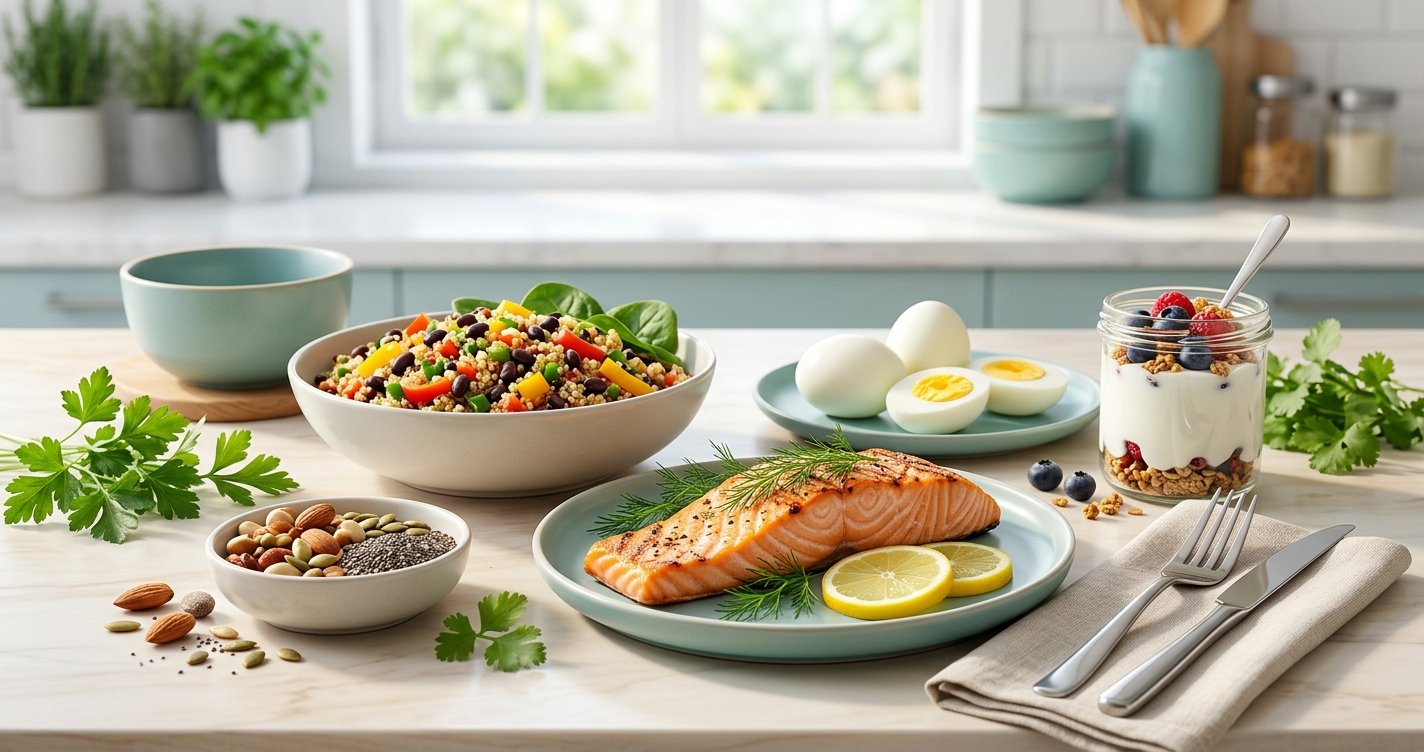
Unlock Sustainable Fat Loss: The Unbeatable Power of Protein
Are you on a journey to shed those extra pounds and achieve sustainable fat loss? You've likely heard a lot of advice – cut carbs, avoid fats, do endless cardio. While many factors play a role, there's one nutritional superstar that often gets overlooked or underestimated: protein. It's not just for bodybuilders; it's your secret weapon for feeling fuller, boosting your metabolism, and preserving precious muscle as you lose weight. Let's dive into why protein is incredibly powerful for achieving your fat loss goals, backed by science, and how you can easily incorporate more of it into your daily life.
Why Protein is Your Best Friend for Fat Loss (The Science Bit!)
When it comes to losing fat, the equation often boils down to consuming fewer calories than you burn. Simple, right? But sustaining a calorie deficit without feeling constantly hungry or losing muscle can be incredibly challenging. This is where protein shines. Its unique properties make it an invaluable tool for managing hunger, increasing calorie expenditure, and protecting your metabolism. this excellent wellness product
The Satiety Superstar: Feeling Fuller, Longer
One of the biggest hurdles in any fat loss journey is hunger. Cravings and a rumbling stomach can quickly derail even the best intentions. Protein is renowned for its incredible ability to increase satiety – that feeling of fullness and satisfaction after a meal. Studies consistently show that a higher protein intake leads to reduced appetite and fewer cravings throughout the day.
How does it work? Protein influences several hormones that regulate hunger and fullness, such as ghrelin (the hunger hormone) and GLP-1 and PYY (satiety hormones). By keeping these hormones in check, protein helps you naturally eat less without feeling deprived, making adherence to a calorie deficit much easier.
Metabolism's Best Friend: The Thermic Effect of Food (TEF)
Did you know that your body burns calories just to digest and process the food you eat? This is known as the Thermic Effect of Food (TEF), and protein has the highest TEF of all macronutrients. While fats and carbohydrates have a TEF of 3-10%, protein's TEF can range from 20-30%. This means that for every 100 calories of protein you consume, your body uses 20-30 of those calories just to break it down!
While this might seem like a small difference on a per-meal basis, it adds up over the course of a day and week, contributing significantly to your overall calorie expenditure. It's like a built-in metabolic booster just for choosing protein-rich foods!
Building & Preserving Muscle: Your Fat-Burning Engine
When you lose weight, you want to lose fat, not muscle. Muscle tissue is metabolically active, meaning it burns more calories at rest than fat tissue. If you lose muscle along with fat, your resting metabolic rate (RMR) can decrease, making it harder to sustain fat loss and easier to regain weight in the future. This is often why crash diets fail.
Adequate protein intake is crucial for preserving lean muscle mass, especially when you're in a calorie deficit. Protein provides the essential amino acids your body needs to repair and build muscle tissue. Combine this with strength training, and you've got a powerful duo for building a more efficient, fat-burning physique.
How Much Protein Do You Really Need for Fat Loss?
While general guidelines suggest around 0.8 grams of protein per kilogram of body weight for sedentary individuals, those actively pursuing fat loss and engaging in exercise often benefit from a higher intake. Current evidence suggests that aiming for 1.6 to 2.2 grams of protein per kilogram of body weight (or 0.7 to 1.0 grams per pound of body weight) can be optimal for muscle preservation and satiety during a calorie deficit.
For example, a person weighing 70kg (approx. 154 lbs) might aim for 112-154 grams of protein per day. This might sound like a lot, but it's very achievable with smart food choices!
Protein Power-Up: Easy Ways to Boost Your Intake
Boosting your protein intake doesn't have to be complicated or boring. Here are some practical, delicious ways to incorporate more protein into your daily meals:
- Start with a Protein-Packed Breakfast: Instead of sugary cereals, opt for Greek yogurt with berries, scrambled eggs, a protein smoothie, or cottage cheese.
- Include Protein at Every Meal: Aim to have a lean protein source with breakfast, lunch, and dinner. Think chicken breast, fish, lean beef, tofu, lentils, or beans.
- Smart Snacking: Ditch the chips and cookies for protein-rich snacks like a handful of almonds, a hard-boiled egg, string cheese, or a protein bar.
- Plant-Based Power: If you're vegetarian or vegan, focus on sources like lentils, chickpeas, black beans, quinoa, edamame, tofu, tempeh, and seitan. Plant-based protein powders can also be a helpful supplement.
- Don't Forget Dairy: Milk, cottage cheese, and Greek yogurt are excellent sources of high-quality protein.
- Protein Powder to the Rescue: A scoop of whey, casein, or plant-based protein powder mixed into water, milk, or a smoothie is a convenient way to hit your daily targets, especially post-workout or as a quick meal replacement.
Beyond the Plate: Protein Myths & Misconceptions
You might have heard some concerns about high-protein diets. Let's address a couple of common myths:
Myth: Too Much Protein is Bad for Your Kidneys
For healthy individuals with normal kidney function, there is no strong scientific evidence to suggest that a high protein intake (within the recommended range for active individuals) causes kidney damage. In fact, some studies show benefits for kidney health in certain populations. Always consult with a healthcare professional if you have pre-existing kidney conditions.
Myth: Protein Will Make You Bulky
This is a common concern, especially among women. Eating protein alone will not automatically make you bulky. Building significant muscle mass requires specific training, a calorie surplus, and often, genetic predisposition. Protein helps preserve and build lean muscle, which contributes to a toned, athletic physique, not necessarily a bulky one.
Putting It All Together: Your Protein-Packed Fat Loss Journey
Embracing the power of protein is a game-changer for sustainable fat loss. It helps you control hunger, gives your metabolism a gentle boost, and protects your valuable muscle mass, creating a more efficient fat-burning machine.
Remember, fat loss is a journey, not a race. Focus on making small, sustainable changes. Prioritize protein in your meals, combine it with plenty of vegetables, healthy fats, and complex carbohydrates, and pair it with a consistent exercise routine. Be patient, be consistent, and celebrate every step of your progress.
By harnessing the unbeatable power of protein, you're not just losing weight; you're building a healthier, stronger, and more vibrant you for the long run. Go ahead, fuel your body with protein, and watch your fat loss goals become a delicious reality!