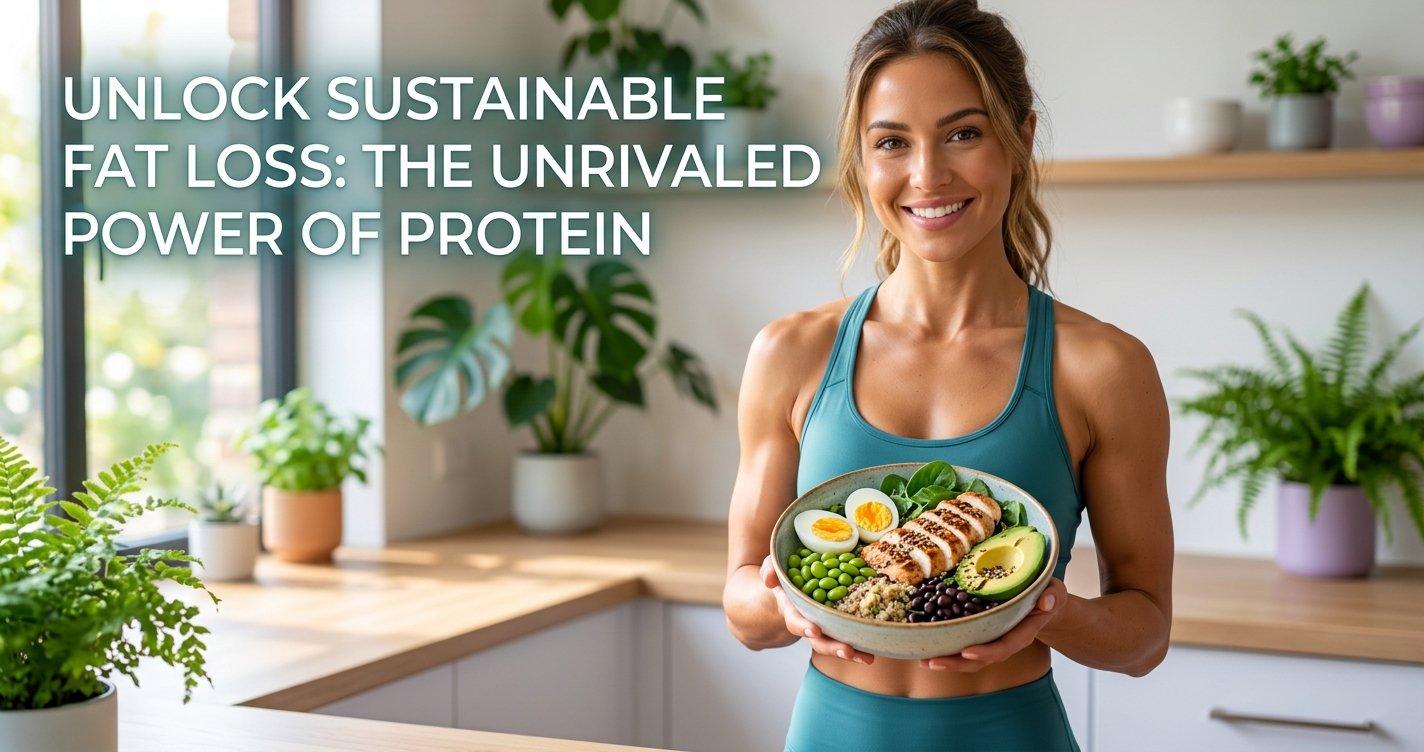
Unlock Sustainable Fat Loss: The Unrivaled Power of Protein
Are you on a journey to shed those stubborn extra pounds, but find yourself constantly battling hunger pangs and slow progress? You're not alone. Fat loss can feel like an uphill battle, often complicated by conflicting advice and quick-fix promises. But what if there was one nutritional powerhouse that could significantly boost your efforts, helping you feel fuller, preserve muscle, and even burn more calories? Enter protein – your secret weapon for sustainable fat loss.
Often associated with bodybuilders and athletes, protein's incredible benefits extend far beyond muscle gain. For anyone aiming for effective and lasting fat loss, understanding and leveraging protein's unique properties is a game-changer. This evidence-based guide will dive deep into why protein is so crucial, how much you truly need, and practical ways to effortlessly incorporate more of it into your daily life. Get ready to transform your approach to fat loss with the power of protein! this excellent wellness product
The Protein Advantage: Why It's Key for Fat Loss
When it comes to losing fat, a calorie deficit is fundamental. However, how you achieve that deficit, and what you eat within it, makes all the difference. Protein stands out because it tackles fat loss from multiple angles, making it easier to stick to your plan and achieve lasting results. Let's explore the science-backed reasons why protein is your best friend in this journey.
Taming Hunger: Protein's Power Over Satiety
Ever found yourself rummaging through the pantry just an hour after a 'healthy' meal? You're not alone! This often happens when our meals lack the power of protein. Science shows that protein is king when it comes to satiety – that wonderful feeling of fullness and satisfaction that keeps cravings at bay. When you consume protein, it triggers the release of specific hormones in your gut, such as GLP-1, PYY, and CCK, which signal to your brain that you're full. Simultaneously, it helps to suppress ghrelin, the 'hunger hormone'.
This hormonal response means that a high-protein meal keeps you feeling satisfied for longer, reducing the likelihood of overeating or reaching for unhealthy snacks between meals. Numerous studies have demonstrated that individuals consuming higher protein diets naturally reduce their overall caloric intake without even trying, simply because they feel less hungry. This effortless calorie reduction is a massive advantage for sustainable fat loss.
Fueling Your Fat Loss Engine: The Thermic Effect of Food (TEF)
Did you know that your body burns calories just to digest, absorb, and metabolize the food you eat? This phenomenon is known as the Thermic Effect of Food (TEF), and protein has the highest TEF of all macronutrients. Here’s a quick comparison:
- Protein: 20-30% of its calories are burned during digestion.
- Carbohydrates: 5-10% of its calories are burned during digestion.
- Fats: 0-3% of its calories are burned during digestion.
What does this mean for you? If you eat 100 calories of protein, your body uses 20-30 of those calories just to process it, leaving fewer net calories to be stored. In contrast, 100 calories of fat might only yield 97-100 net calories. By prioritizing protein, you're essentially giving your metabolism a small, consistent boost throughout the day, helping you burn more calories around the clock. Over time, these small boosts add up, contributing significantly to your fat loss goals.
Protecting Your Hard-Earned Muscle Mass
When you're in a calorie deficit, your body doesn't just burn fat for energy; it can also start breaking down muscle tissue. This is a common pitfall of restrictive diets, and it's something you want to avoid at all costs. Muscle is metabolically active tissue, meaning it burns more calories at rest than fat does. Losing muscle can slow down your metabolism, making it harder to lose weight and easier to regain it once you stop dieting.
This is where protein shines again. Adequate protein intake provides your body with the essential amino acids it needs to repair and build muscle. By consuming enough protein, especially in conjunction with strength training, you send a strong signal to your body to preserve muscle mass while primarily tapping into fat stores for energy. This ensures that the weight you're losing is predominantly fat, not precious muscle, helping you maintain a higher metabolism and a more toned physique.
How Much Protein Do You Really Need for Fat Loss?
The recommended daily allowance (RDA) for protein is often cited as 0.8 grams per kilogram of body weight. However, this is merely the minimum required to prevent deficiency, not necessarily the optimal amount for active individuals or those aiming for fat loss. For maximizing satiety, preserving muscle, and boosting metabolism during a calorie deficit, research suggests a significantly higher intake.
Most evidence-based recommendations for fat loss typically fall in the range of 1.6 to 2.2 grams of protein per kilogram of body weight per day (or roughly 0.7 to 1 gram per pound of your target body weight). For example, if your goal weight is 70 kg (154 lbs), you'd aim for approximately 112 to 154 grams of protein daily. Spreading this intake evenly across 3-5 meals and snacks throughout the day is often more effective than consuming it all in one sitting, as it optimizes muscle protein synthesis and satiety.
Listen to your body, and consider your activity level. If you're highly active or engaging in regular strength training, you might benefit from the higher end of this range. Consulting with a registered dietitian or nutritionist can help you tailor these recommendations to your specific needs and goals.
Your Plate's Best Friends: Top Protein Sources
Incorporating more protein doesn't have to be bland or complicated. A wide variety of delicious whole foods can help you meet your targets. Aim to prioritize whole, unprocessed protein sources whenever possible.
Animal-Based Proteins
These are often considered 'complete' proteins, meaning they contain all nine essential amino acids your body needs.
- Lean Meats: Chicken breast, turkey, lean cuts of beef (sirloin, round), pork loin.
- Fish & Seafood: Salmon (rich in omega-3s), cod, tuna, shrimp, scallops.
- Eggs: A versatile and affordable source, providing about 6 grams of protein per large egg.
- Dairy: Greek yogurt (especially high in protein), cottage cheese, skim milk, kefir.
Plant-Based Proteins
For those following a vegetarian or vegan diet, or simply looking to diversify their protein sources, the plant kingdom offers abundant options. While many plant proteins are 'incomplete' on their own, combining various sources throughout the day ensures you get all essential amino acids.
- Legumes: Lentils, black beans, chickpeas, kidney beans (great in soups, salads, and stews).
- Soy Products: Tofu, tempeh, edamame (versatile and excellent sources).
- Quinoa: One of the few complete plant proteins, also a good source of fiber.
- Nuts & Seeds: Almonds, peanuts, chia seeds, flax seeds, hemp seeds (also provide healthy fats and fiber).
- Seitan: A wheat-based protein with a meat-like texture.
The Role of Protein Supplements
While whole foods should always be your primary source of nutrition, protein supplements can be a convenient and effective tool to help you reach your daily protein goals, especially if you have high requirements or are on the go.
- Whey Protein: Fast-digesting, ideal post-workout.
- Casein Protein: Slow-digesting, excellent for sustained release, often taken before bed.
- Plant-Based Protein Powders: Pea, rice, hemp, or soy proteins offer alternatives for those avoiding animal products.
Remember, supplements are meant to supplement your diet, not replace whole, nutritious meals. Use them strategically to fill gaps in your intake.
Practical Strategies to Boost Your Protein Intake Daily
Making protein a priority doesn't have to be complicated. With a few simple tweaks to your daily routine, you can significantly increase your intake and reap the fat loss benefits:
- Start with a Protein-Rich Breakfast: Ditch sugary cereals. Opt for Greek yogurt with berries, scrambled eggs with vegetables, or a protein smoothie. This sets a satiating tone for your entire day.
- Include Protein in Every Meal and Snack: Don't just save protein for dinner. Aim for a source of protein in every eating occasion to maintain satiety and muscle support throughout the day.
- Plan Ahead with Meal Prep: Cook larger batches of lean protein (chicken breast, lentils, hard-boiled eggs) at the beginning of the week. This makes it easy to add protein to salads, stir-fries, or grab quick snacks.
- Smart Snacking: Instead of chips or cookies, choose protein-packed snacks like a handful of almonds, cottage cheese, a hard-boiled egg, or a slice of turkey.
- Prioritize Protein on Your Plate: When building your meals, think about your protein source first, then add vegetables, and finally whole-grain carbohydrates and healthy fats.
- Don't Be Afraid of the Freezer: Keep frozen edamame, shrimp, or pre-cooked chicken on hand for quick additions to meals.
Beyond Protein: A Holistic Approach to Sustainable Fat Loss
While protein is an incredibly powerful ally in your fat loss journey, it's essential to remember that it's part of a larger picture. For truly sustainable and healthy fat loss, consider these other crucial components:
- Calorie Deficit: Ultimately, you still need to consume fewer calories than you burn. Protein helps you achieve this more comfortably.
- Balanced Macronutrients: Don't neglect healthy fats and complex carbohydrates. They provide energy, essential nutrients, and fiber.
- Strength Training: Pairing a high-protein diet with resistance exercises is the optimal strategy for building and preserving muscle, which further boosts your metabolism.
- Adequate Sleep: Poor sleep can disrupt hunger hormones and increase cravings, making fat loss harder. Aim for 7-9 hours per night.
- Stress Management: Chronic stress can elevate cortisol levels, potentially hindering fat loss and increasing fat storage around the midsection.
- Hydration: Drinking enough water supports metabolism, aids digestion, and can help manage hunger.
Embrace the Power of Protein for Lasting Results
Protein is far more than just a muscle builder; it's a cornerstone of effective and sustainable fat loss. By harnessing its power to enhance satiety, boost your metabolism through TEF, and protect your precious muscle mass, you're setting yourself up for success. Moving away from restrictive, unsustainable diets, and instead focusing on nutrient-dense, protein-rich whole foods, empowers you to achieve your fat loss goals without feeling constantly deprived.
Start today by making small, consistent changes. Prioritize protein at every meal, choose smart, protein-rich snacks, and watch as your body transforms, not just in size, but in strength, energy, and overall vitality. Your journey to a leaner, healthier you is within reach – and protein is here to help you every step of the way!