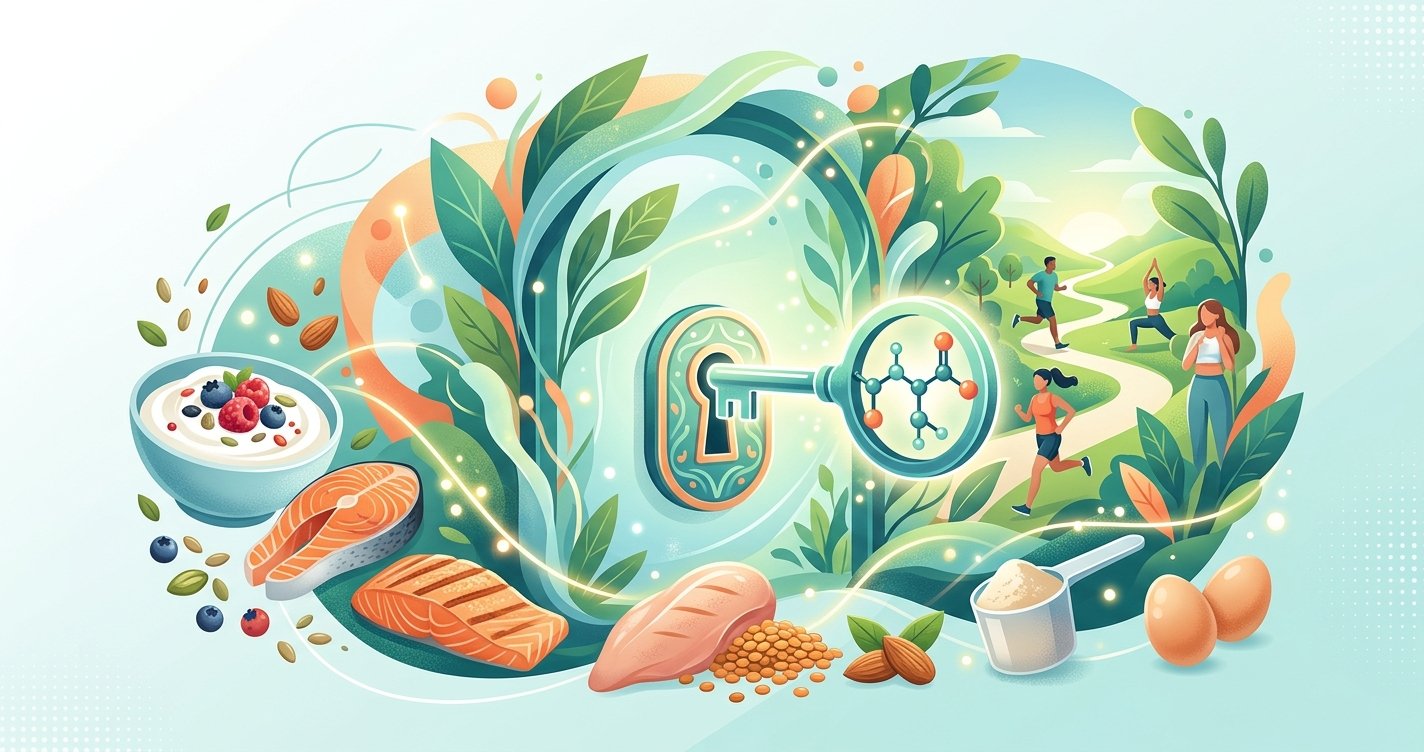
Unlock Sustainable Fat Loss: Why Protein is Your Secret Weapon
The journey to fat loss can often feel like a puzzle with missing pieces. You might have tried countless diets, intense workout routines, or even restrictive eating patterns, only to find yourself back where you started. It’s frustrating, disheartening, and often leaves us wondering if sustainable fat loss is even possible.
But what if we told you there’s a powerful, yet often underestimated, ally in your corner? An unsung hero that doesn't just help you shed pounds, but helps you keep them off for good? Enter protein — the macronutrient that deserves a prime spot on your plate and in your fat loss strategy. Forget the fad diets for a moment, and let’s dive into the evidence-backed power of protein. this excellent wellness product
This isn't about bland chicken breasts for every meal or guzzling protein shakes all day. It’s about understanding how strategically incorporating protein into your diet can dramatically impact your body’s ability to burn fat, preserve muscle, and keep you feeling satisfied. Ready to discover why protein truly is your secret weapon for sustainable fat loss? Let’s get started!
Why Protein is Your Fat Loss MVP (Most Valuable Player)
Protein isn't just for bodybuilders. It plays a critical role in almost every bodily function, and when it comes to fat loss, its benefits are truly unparalleled. Here’s how protein works wonders for your waistline:
The Satiety Superpower: Feeling Full, Longer
One of the biggest challenges in fat loss is battling hunger and cravings. This is where protein shines! Protein is renowned for its incredible ability to increase satiety — that feeling of fullness and satisfaction after a meal. Here’s the science:
- Hormonal Harmony: Protein influences the release of gut hormones like GLP-1 and PYY, which signal to your brain that you’re full. Simultaneously, it helps suppress ghrelin, the 'hunger hormone'.
- Reduced Snacking: Studies consistently show that individuals who consume higher protein diets naturally eat fewer calories throughout the day because they simply aren't as hungry. This isn't about willpower; it's about your body's natural hunger signals working in your favor.
Imagine going through your day feeling genuinely satisfied, without the constant urge to raid the snack cupboard. That's the protein advantage!
Boosting Your Metabolism: The Thermic Effect of Food (TEF)
Did you know that your body burns calories just to digest and process the food you eat? This is known as the Thermic Effect of Food (TEF). And guess which macronutrient has the highest TEF?
- Protein's High TEF: Protein requires significantly more energy to digest and metabolize compared to carbohydrates and fats. Roughly 20-30% of the calories from protein are burned off during digestion, compared to 5-10% for carbs and 0-3% for fats.
- An Everyday Calorie Burn: This means that by simply eating more protein, you're giving your metabolism a gentle, continuous boost. Over time, these extra calories burned add up, contributing to a more efficient fat loss process.
It’s like having a tiny, internal furnace working harder for you, just by making smart food choices.
Muscle Protection: Guarding Your Metabolic Fire
When you're in a calorie deficit — eating fewer calories than you burn — your body can sometimes break down muscle tissue for energy, alongside fat. This is bad news for your metabolism because muscle is metabolically active, meaning it burns more calories at rest than fat does.
- Preserving Lean Mass: A higher protein intake helps to signal your body to prioritize burning fat for fuel while preserving precious muscle mass. This is crucial because maintaining muscle ensures your metabolism stays revved up, even as you lose weight.
- Preventing Metabolic Slowdown: By protecting your muscle, protein helps prevent the dreaded metabolic slowdown often associated with dieting, making sustainable fat loss not just possible, but more achievable.
Think of muscle as your metabolic engine. Protein ensures that engine stays strong and efficient, even when you're reducing your fuel intake.
How Much Protein Do You Really Need for Fat Loss?
The standard dietary reference intake (DRI) for protein is 0.8 grams per kilogram of body weight, but this is a minimum to prevent deficiency, not necessarily optimal for fat loss or muscle preservation, especially for active individuals. For fat loss, current evidence-based recommendations suggest a higher intake:
- General Guideline: Aim for approximately 1.6 to 2.2 grams of protein per kilogram (or 0.7 to 1.0 grams per pound) of your target body weight or lean body mass.
- Individual Needs: Your exact needs might vary based on your activity level, age, and current body composition. Highly active individuals or those aiming for significant muscle preservation may benefit from the higher end of this range.
For example, if you weigh 70 kg (about 154 lbs) and are aiming for fat loss, you might target 112-154 grams of protein per day. This might sound like a lot, but it’s entirely achievable with smart food choices and mindful planning.
Smart Strategies to Boost Your Protein Intake
Increasing your protein doesn’t have to be complicated or boring. Here are some practical tips to seamlessly integrate more protein into your daily routine:
Prioritize Protein at Every Meal
Instead of thinking of protein as an add-on, make it the cornerstone of your meals. Aim for a substantial protein source at breakfast, lunch, and dinner, and even with your snacks.
- Breakfast Power-Up: Start your day strong with eggs, Greek yogurt, cottage cheese, protein-rich smoothies, or even leftover lean meat.
- Lunch & Dinner Heroes: Opt for lean meats like chicken breast, turkey, fish (salmon, tuna, cod), lean beef, or plant-based options like lentils, beans, tofu, and tempeh.
- Smart Snacking: Ditch the sugary snacks and reach for protein-packed alternatives such as a handful of almonds, string cheese, hard-boiled eggs, a small Greek yogurt, or a protein bar.
Choose Quality Over Quantity (But Aim for Both!)
While the total amount matters, the quality of your protein sources is also important. Focus on whole, unprocessed foods:
- Animal Sources: Lean poultry, fish, eggs, lean cuts of beef/pork, dairy products (milk, yogurt, cheese).
- Plant-Based Sources: Lentils, chickpeas, black beans, edamame, tofu, tempeh, quinoa, nuts, and seeds. Combining different plant proteins can ensure you get all essential amino acids.
- Protein Supplements: Whey, casein, or plant-based protein powders can be convenient tools to hit your daily targets, especially after workouts or when you’re on the go. Remember, they are supplements, not meal replacements.
Meal Timing and Distribution
While the total daily protein intake is most critical, spreading your protein consumption throughout the day can maximize its benefits for satiety and muscle protein synthesis.
- Even Distribution: Try to consume 20-40 grams of protein per meal, rather than front-loading or back-loading your entire intake into one sitting. This keeps you feeling fuller for longer and provides a steady supply of amino acids to your muscles.
Addressing Common Protein Concerns
You might have heard some myths about high protein diets. Let’s quickly address them:
- Kidney Health: For healthy individuals with no pre-existing kidney conditions, a higher protein intake within recommended ranges is generally safe and does not harm kidney function. Always consult your doctor if you have concerns.
- Cost-Effectiveness: While some protein sources can be pricey, many are affordable. Eggs, canned tuna, lentils, beans, and frozen chicken breasts are budget-friendly options.
- Digestibility: Some people experience digestive issues initially when increasing protein. Gradually increasing your intake and ensuring adequate fiber and water intake can help.
Putting It All Together: Your Action Plan
Ready to harness the power of protein for your fat loss journey? Here’s your simple action plan:
- Calculate Your Target: Use the 1.6-2.2g/kg (or 0.7-1.0g/lb) guideline to estimate your daily protein goal.
- Track for a Few Days: Use a food tracking app to see how much protein you're currently consuming. This will give you a baseline.
- Make Protein Your Priority: Intentionally add a protein source to every meal and snack.
- Experiment with Sources: Discover new, delicious protein-rich foods you enjoy.
- Stay Consistent: Small, consistent changes lead to the biggest results.
Remember, fat loss is a marathon, not a sprint. It’s about creating sustainable habits that support your body and your goals. Protein is not a magic pill, but it's undoubtedly one of the most effective and scientifically backed tools you have at your disposal.
Conclusion
Say goodbye to constant hunger and frustrating plateaus. By making protein a cornerstone of your diet, you're not just aiming for temporary weight loss; you're building a foundation for a leaner, stronger, and more energetic you. You're fueling your body in a way that supports muscle, boosts metabolism, and keeps you feeling satisfied — all crucial ingredients for sustainable fat loss.
So, embrace protein as your secret weapon. Start today, and watch as your fat loss journey transforms into a more enjoyable, effective, and sustainable path to success. You’ve got this!