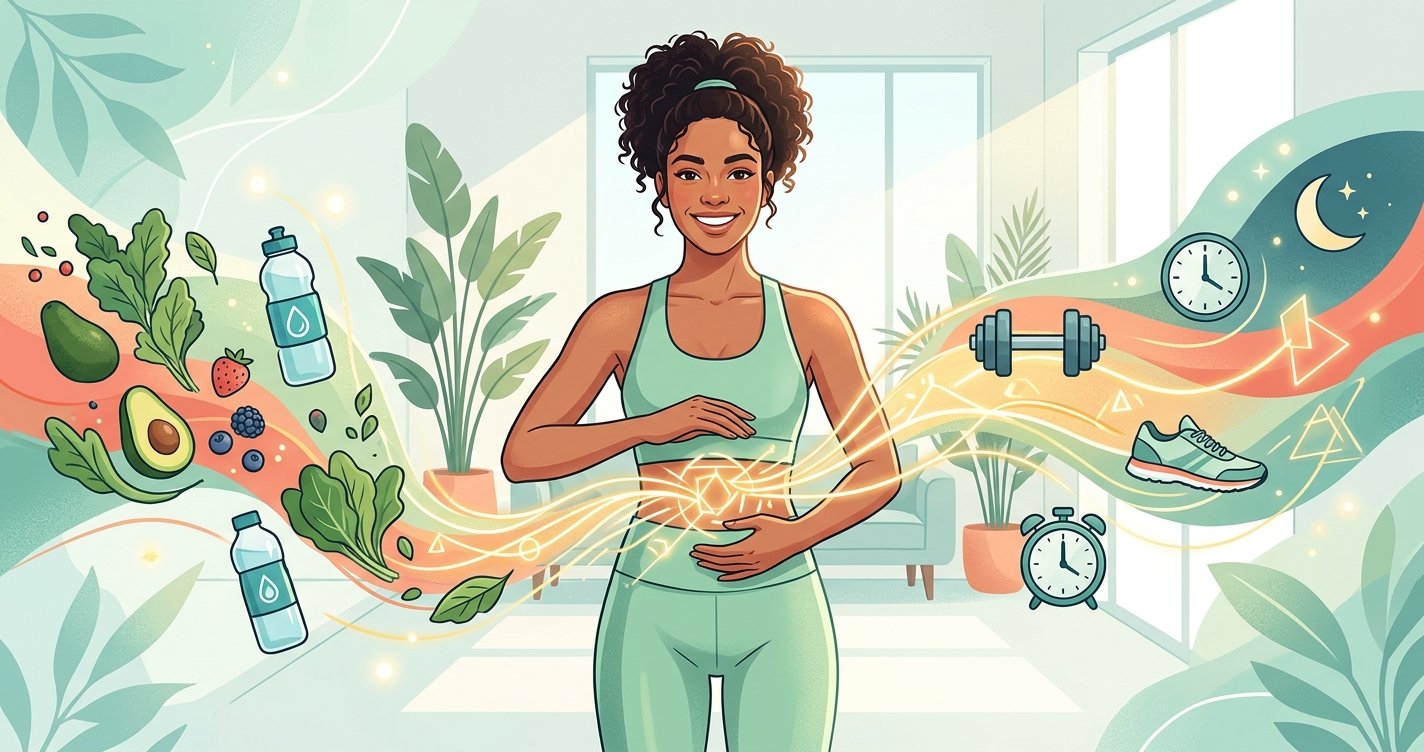
Are you tired of quick-fix diets that promise the world but leave you feeling deprived, frustrated, and right back where you started? You're not alone. The journey to sustainable fat loss often feels like a confusing maze, filled with conflicting advice and seemingly insurmountable plateaus. But what if the key to lasting success wasn't about drastic deprivation, but about understanding and optimizing your body's incredible internal engine: your metabolism?
Forget the myths about a 'slow metabolism' being a life sentence. Your metabolism is dynamic, adaptable, and incredibly responsive to the right strategies. In this friendly, evidence-based guide, we're going to demystify your metabolism and equip you with science-backed tools to turn it into your most powerful ally for sustainable, enjoyable fat loss. Get ready to ditch the diet dogma and embrace a smarter, healthier approach! this excellent wellness product
What Exactly Is Your Metabolism? (And Why It Matters for Fat Loss)
At its core, your metabolism is the sum of all chemical processes in your body that convert food into energy. Think of it as your body's internal energy management system. This system is always running, even when you're sleeping, performing vital functions like breathing, circulating blood, and repairing cells. The rate at which your body burns calories for these processes is often referred to as your metabolic rate.
Your total daily energy expenditure (TDEE) – the total calories you burn in a day – is made up of a few key components:
- Basal Metabolic Rate (BMR): The calories your body burns at rest to maintain basic life functions. This is typically the largest component, accounting for 60-75% of your TDEE.
- Thermic Effect of Food (TEF): The energy your body uses to digest, absorb, and metabolize the food you eat. Protein, for example, has a higher TEF than carbs or fats, meaning your body burns more calories processing it.
- Non-Exercise Activity Thermogenesis (NEAT): Calories burned through activities other than structured exercise, like walking, fidgeting, standing, or even talking.
- Exercise Activity Thermogenesis (EAT): Calories burned during planned physical activity, like going to the gym or running.
Understanding these components helps us see that metabolism isn't just about how 'fast' you naturally burn calories. It's about how you can influence these different levers to create a sustainable calorie deficit, which is fundamental for fat loss.
Myth vs. Reality: Common Metabolism Misconceptions
Before we dive into strategies, let's bust some common myths that often hold people back from their fat loss goals:
Myth 1: "I have a slow metabolism, so I can't lose weight."
Reality: While there are individual differences, extreme variations in BMR are rare. What often appears to be a 'slow' metabolism is usually a result of lifestyle factors like low muscle mass, insufficient physical activity, or chronic under-eating that has led to metabolic adaptation (more on this later). Your metabolism isn't fixed; it's highly adaptable!
Myth 2: "Certain 'superfoods' or supplements can dramatically boost my metabolism."
Reality: While some foods (like chili peppers or green tea) might have a tiny, transient effect on metabolism (primarily through TEF), their impact on overall fat loss is negligible compared to a consistent, balanced diet and active lifestyle. Don't fall for expensive 'fat burner' supplements – focus on whole, nutritious foods.
Myth 3: "Crash dieting and extreme calorie restriction will speed up my metabolism."
Reality: The opposite is often true. Severely restricting calories for extended periods can trigger a protective mechanism called 'metabolic adaptation' or 'adaptive thermogenesis.' Your body, sensing a famine, reduces its energy expenditure to conserve resources. This can lower your BMR, making fat loss harder and increasing the likelihood of regaining weight once you stop the diet.
Science-Backed Strategies to Optimize Your Metabolism for Fat Loss
Now that we've cleared the air, let's explore practical, evidence-based ways to support and optimize your metabolism, making your fat loss journey more effective and sustainable.
The Protein Powerhouse: Fueling Your Metabolic Fire
Protein is your best friend for fat loss, and here's why:
- High Thermic Effect: Protein requires more energy to digest and metabolize than carbohydrates or fats. This means you burn more calories simply by eating it!
- Satiety: Protein is incredibly filling. Including adequate protein at each meal helps you feel fuller for longer, reducing overall calorie intake without feeling deprived.
- Muscle Preservation: When you're in a calorie deficit, your body can break down muscle tissue for energy. Eating enough protein, especially combined with strength training, helps preserve precious muscle mass, which is crucial for maintaining a healthy metabolic rate.
Action Tip: Aim for 20-30 grams of protein per meal, from sources like lean meats, poultry, fish, eggs, dairy, legumes, and plant-based protein powders.
Don't Fear the Weights: Building Muscle for Metabolic Advantage
Forget the myth that strength training is just for bodybuilders. Building and maintaining muscle mass is one of the most powerful strategies for optimizing your metabolism. Muscle tissue is more metabolically active than fat tissue, meaning it burns more calories at rest.
- Increased BMR: The more muscle you have, the higher your basal metabolic rate will be. This means you'll burn more calories even when you're just sitting around.
- Improved Insulin Sensitivity: Strength training can improve your body's ability to use insulin effectively, helping to regulate blood sugar and store less fat.
- Enhanced Fat Burning During & After Exercise: Weightlifting not only burns calories during the session but also creates an 'afterburn effect' (EPOC - Excess Post-exercise Oxygen Consumption), where your body continues to burn extra calories for hours as it recovers.
Action Tip: Incorporate 2-3 full-body strength training sessions per week. Start with bodyweight exercises or light weights and gradually increase intensity.
Move More, Live Better: The Role of NEAT & Cardio
While structured exercise is great, don't underestimate the power of simply moving more throughout your day. NEAT (Non-Exercise Activity Thermogenesis) can significantly contribute to your total daily calorie expenditure.
- NEAT Boost: Take the stairs, park further away, stand at your desk, walk during phone calls, do household chores. These small movements add up!
- Cardiovascular Health: Regular cardio (walking, jogging, cycling, swimming) directly burns calories and improves cardiovascular health, which is vital for overall metabolic function.
Action Tip: Aim for at least 7,000-10,000 steps a day and incorporate 150-300 minutes of moderate-intensity cardio each week.
Quality Sleep & Stress Management: Unsung Metabolic Heroes
It's not just about what you eat and how you move; how you rest and manage stress play a huge role in metabolic health and fat loss.
- Sleep Deprivation: Lack of sleep disrupts hormones that regulate appetite (ghrelin and leptin), making you hungrier and less satisfied. It also increases cortisol, a stress hormone linked to belly fat storage and insulin resistance.
- Chronic Stress: Similar to sleep deprivation, chronic stress elevates cortisol, leading to increased cravings for high-calorie foods and hindering fat loss efforts.
Action Tip: Prioritize 7-9 hours of quality sleep per night. Implement stress-reducing practices like meditation, deep breathing, spending time in nature, or hobbies you enjoy.
Hydration: A Simple Yet Powerful Metabolic Tool
Water is essential for every metabolic process in your body. Even mild dehydration can slow down your metabolism. Drinking enough water also supports satiety and can help you distinguish between hunger and thirst.
Action Tip: Aim for 8-10 glasses of water daily, more if you're active or in a hot climate. Keep a water bottle handy and sip throughout the day.
Creating Your Sustainable Metabolic Blueprint
The beauty of these strategies is that they work synergistically. You don't need to overhaul everything at once. Start by incorporating one or two changes and build from there. Remember, consistency over perfection is key.
- Be Patient: Sustainable fat loss takes time. Your metabolism needs time to adapt to new habits.
- Listen to Your Body: Pay attention to hunger cues, energy levels, and how different foods make you feel.
- Focus on Whole Foods: Prioritize nutrient-dense, unprocessed foods that provide sustained energy and support metabolic health.
- Seek Professional Guidance: If you have specific health concerns or feel stuck, consider consulting a registered dietitian or certified personal trainer.
Your Journey to a Healthier, Happier You
Unlocking your metabolism isn't about chasing a number on the scale; it's about fostering a healthier, more resilient body that works with you, not against you. By understanding how your metabolism functions and implementing these evidence-based strategies, you're not just losing fat – you're building a foundation for lifelong health, energy, and vitality.
So, take a deep breath, ditch the guilt, and empower yourself with knowledge. Your metabolism is ready to be optimized. What small, positive step will you take today to embrace a smarter, more sustainable path to fat loss?