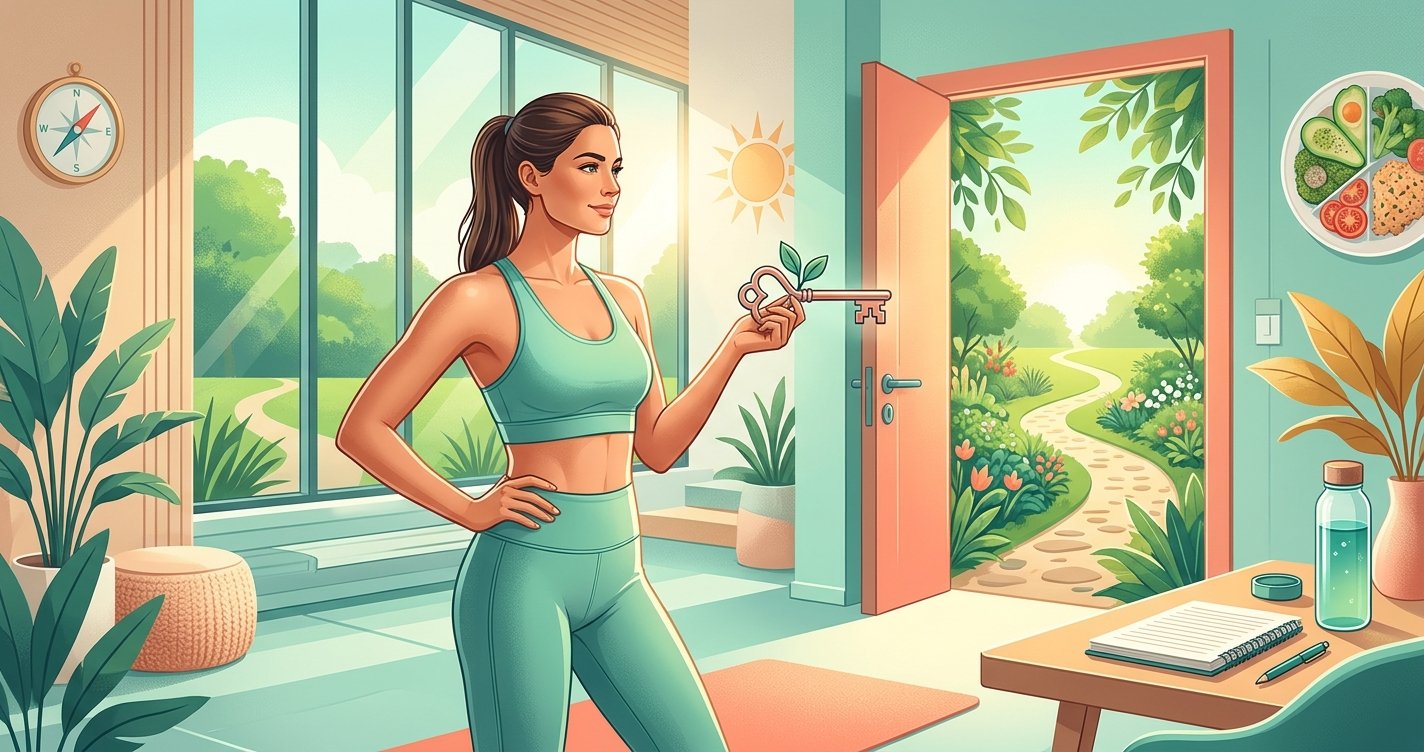
The siren song of rapid weight loss promises is hard to resist. From detox teas to extreme diets, the internet is flooded with quick fixes for shedding pounds. While the idea of instant transformation is appealing, the reality is often disappointing: fleeting results, rebound weight gain, and a cycle of frustration. What if there was a better way? A path to fat loss that not only delivers results but also enhances your health, boosts your energy, and is truly sustainable for life?
This isn't about deprivation or grueling workouts you can't maintain. It's about understanding your body, making informed choices, and building habits that support long-term well-being. Get ready to ditch the fads and embrace an evidence-based, friendly, and encouraging journey towards sustainable fat loss. this excellent wellness product
Why Quick Fixes Fall Short (and What Really Works)
Most rapid fat loss schemes operate on the principle of extreme calorie restriction, often leading to significant water and muscle loss, not just fat. While the scale might drop quickly, this approach is unsustainable and often detrimental. Your body, being incredibly adaptable, perceives extreme dieting as a threat. It responds by slowing down your metabolism to conserve energy, making it harder to lose weight and easier to regain it once you return to normal eating patterns. This metabolic adaptation, combined with intense cravings and nutrient deficiencies, sets you up for the dreaded yo-yo effect.
What truly works is a gradual, holistic approach that respects your body's physiology. Sustainable fat loss focuses on creating a moderate calorie deficit, preserving muscle mass, and improving overall health markers. It's about consistency, not perfection, and building a lifestyle you can genuinely enjoy for years to come.
The Cornerstone: Nutrition for Sustainable Fat Loss
You can't out-train a poor diet. Nutrition is paramount for fat loss, but it doesn't have to be complicated or boring. Here’s how to build a plate that supports your goals:
Calorie Deficit: The Non-Negotiable Foundation
At its core, fat loss requires consuming slightly fewer calories than your body burns. This isn't about starvation; it's about creating a modest, manageable deficit (typically 300-500 calories per day) that allows your body to tap into stored fat for energy without triggering extreme metabolic slowdown or muscle loss. Focus on nutrient-dense foods that provide satiety without excessive calories.
Prioritize Protein: Your Satiety & Muscle Ally
Protein is your secret weapon in the fat loss journey. It's incredibly satiating, helping you feel fuller for longer and reducing overall calorie intake. Furthermore, protein has a higher thermic effect of food (TEF) than carbs or fats, meaning your body burns more calories digesting it. Crucially, adequate protein intake is essential for preserving precious muscle mass while you're in a calorie deficit, which helps maintain a healthy metabolism. Aim for 0.7-1 gram of protein per pound of body weight daily from sources like lean meats, poultry, fish, eggs, dairy, and legumes.
Embrace Whole Foods: Fueling Your Body Right
Think colorful fruits and vegetables, whole grains, and healthy fats. These foods are packed with vitamins, minerals, fiber, and antioxidants, which are vital for overall health and energy levels. Fiber, in particular, aids digestion, promotes satiety, and helps regulate blood sugar. Minimizing ultra-processed foods, sugary drinks, and excessive amounts of unhealthy fats will significantly improve your nutritional quality and reduce unnecessary calorie intake.
Hydration: Often Overlooked, Always Important
Don't underestimate the power of water! Staying well-hydrated supports metabolism, helps with satiety (sometimes thirst is mistaken for hunger), and aids in nutrient transport and waste removal. Aim for at least 8 glasses of water daily, and consider drinking a glass before meals to help manage portion sizes.
Move Your Body: Smart Exercise for Fat Loss
While nutrition is king, strategic exercise is the queen. It complements your dietary efforts by burning calories, building muscle, and improving overall fitness.
Strength Training: Build Muscle, Boost Metabolism
This is non-negotiable for sustainable fat loss. Muscle tissue is metabolically active, meaning it burns more calories at rest than fat tissue. By engaging in resistance training (using weights, resistance bands, or your own body weight), you build and preserve muscle, which helps keep your metabolism humming even when you're not exercising. Aim for 2-4 full-body strength training sessions per week.
Cardio: For Heart Health and Calorie Burn
Cardiovascular exercise, like brisk walking, jogging, cycling, or swimming, is excellent for calorie expenditure, improving heart health, and boosting endurance. You can incorporate both steady-state cardio (LISS - low-intensity steady-state) for longer durations or high-intensity interval training (HIIT) for shorter, more intense bursts. Find what you enjoy and can stick with consistently.
NEAT: The Unsung Hero of Daily Activity
Non-Exercise Activity Thermogenesis (NEAT) refers to the calories burned through all your daily movements that aren't formal exercise – walking, standing, fidgeting, taking the stairs, cleaning. Increasing your NEAT can significantly contribute to your daily calorie expenditure. Look for opportunities to move more throughout your day: take walking breaks, park further away, or stand while working.
The Mind-Body Connection: Beyond Diet and Exercise
Sustainable fat loss isn't just about what you eat or how much you move; it's deeply intertwined with your mental and emotional well-being. Ignoring these aspects can sabotage even the best-laid plans.
Sleep: Your Secret Weapon for Weight Management
Lack of sleep is a silent saboteur of fat loss. Poor sleep disrupts hormones that regulate hunger (ghrelin increases, leptin decreases), leading to increased cravings for high-calorie, sugary foods. It also impacts insulin sensitivity and can elevate cortisol, a stress hormone linked to increased belly fat storage. Prioritize 7-9 hours of quality sleep each night. Create a relaxing bedtime routine, keep your bedroom dark and cool, and limit screen time before bed.
Stress Management: Taming Cortisol's Impact
Chronic stress triggers the release of cortisol, which can promote fat storage, especially around the abdomen. Stress also often leads to emotional eating or less healthy food choices. Finding effective ways to manage stress – whether through meditation, yoga, spending time in nature, hobbies, or simply deep breathing – is crucial for both mental health and fat loss.
Mindful Eating: Reconnecting with Hunger Cues
In our fast-paced world, we often eat distractedly, missing our body's signals of hunger and fullness. Mindful eating involves paying full attention to your food – its taste, texture, smell – and recognizing when you're truly hungry and when you've had enough. Slow down, chew thoroughly, put your fork down between bites, and savor the experience. This practice can help prevent overeating and foster a healthier relationship with food.
Consistency Over Perfection: The Long Game
The journey to sustainable fat loss is a marathon, not a sprint. There will be good days and challenging days. The key is to be consistent with your efforts, even if they're not perfect. Don't let one slip-up derail your entire progress. Learn from it, adjust, and get back on track.
- Set Realistic Goals: Aim for a gradual loss of 1-2 pounds per week. This rate is generally sustainable and helps preserve muscle mass.
- Track Progress Beyond the Scale: While the scale is one metric, also pay attention to how your clothes fit, your energy levels, strength gains, and body measurements.
- Celebrate Small Victories: Acknowledge your efforts and progress, no matter how small. This positive reinforcement keeps you motivated.
- Be Patient and Kind to Yourself: Fat loss takes time. Embrace the process, be patient with your body, and treat yourself with compassion.
Sustainable fat loss isn't a destination; it's a lifestyle. It’s about building healthy habits that you can maintain effortlessly, leading to a stronger, healthier, and happier you for the long haul. By focusing on smart nutrition, effective exercise, and nurturing your mind-body connection, you’re not just losing fat – you’re gaining a lifetime of well-being.
Ready to embark on your sustainable fat loss journey? Start with one small, actionable change today. Your future self will thank you!