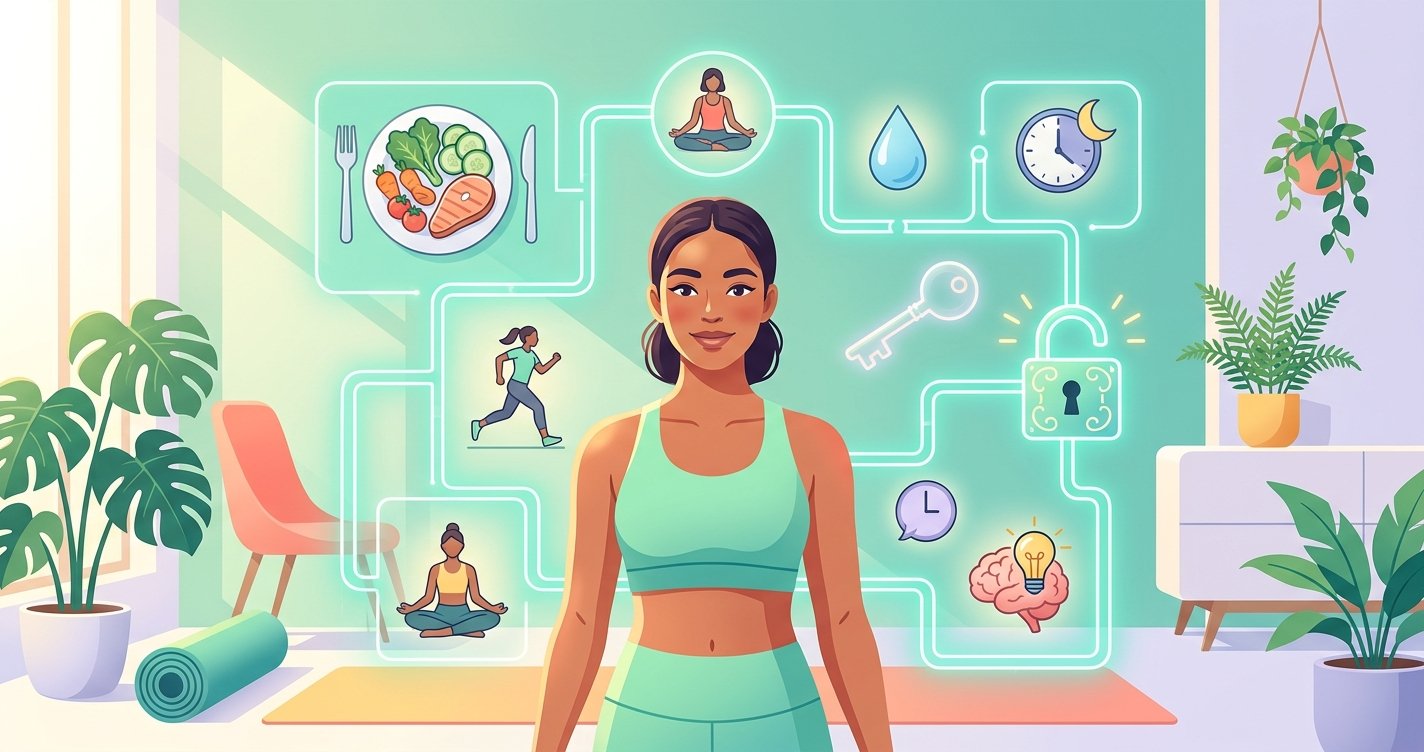
Tired of the endless cycle of crash diets, restrictive eating, and frustrating weight plateaus? You're not alone. Many embark on their fat loss journey with high hopes, only to be met with disappointment and a sense of failure when the quick fixes inevitably fizzle out. The truth is, sustainable fat loss isn't about deprivation; it's about smart, evidence-based strategies that work with your body, not against it. This isn't just about losing numbers on a scale; it's about transforming your body composition, boosting your metabolism, and cultivating habits that support a healthier, happier you for the long haul.
In this comprehensive guide, we'll dive deep into the real secrets of sustainable fat loss, moving beyond the fleeting fads. We'll explore how to fuel your body intelligently, harness the power of strength training, and optimize crucial lifestyle factors often overlooked. Get ready to ditch the despair and embrace a blueprint for lasting results that leaves you feeling strong, energized, and in control. this excellent wellness product
The Truth About Fat Loss: Why Crash Diets Fail
Before we build a sustainable plan, let's understand why so many traditional 'dieting' approaches fall short. Crash diets, characterized by extreme calorie restriction and rapid weight loss, often promise quick results but deliver long-term frustration. While you might see an initial drop on the scale, a significant portion of this loss is typically water weight and, crucially, muscle mass.
Losing muscle is detrimental to fat loss because muscle is metabolically active tissue – it burns more calories at rest than fat does. When you lose muscle, your basal metabolic rate (BMR) decreases, making it harder to lose fat and much easier to regain weight once you return to normal eating habits. This phenomenon is often referred to as 'metabolic adaptation' or 'diet-induced thermogenesis reduction,' where your body becomes more efficient at surviving on fewer calories, making subsequent fat loss even more challenging. Furthermore, the psychological toll of extreme restriction often leads to cravings, binge eating, and a negative relationship with food, paving the way for the dreaded 'yo-yo' effect.
Fueling Your Body Smartly: Nutrition for Fat Loss
Nutrition is paramount for fat loss, but it doesn't have to be complicated or overly restrictive. It's about making informed choices that support your goals without sacrificing enjoyment.
Caloric Deficit: The Non-Negotiable Foundation
At its core, fat loss requires a caloric deficit – consuming fewer calories than your body expends. However, the key to sustainability lies in creating a moderate deficit (typically 300-500 calories below your maintenance level) rather than a drastic one. This allows for steady, consistent fat loss without triggering extreme metabolic slowdown or muscle loss. Focus on nutrient-dense foods that provide satiety and essential vitamins and minerals, rather than empty calories.
Prioritize Protein: Your Muscle-Preserving Powerhouse
Protein is your best friend on a fat loss journey. It's the most satiating macronutrient, meaning it helps you feel fuller for longer, reducing overall calorie intake. Furthermore, protein has a higher thermic effect of food (TEF) than carbs or fats, meaning your body burns more calories digesting it. Most importantly, adequate protein intake is crucial for preserving muscle mass during a caloric deficit, ensuring that the weight you lose is primarily fat. Aim for 0.7-1 gram of protein per pound of body weight daily from sources like lean meats, poultry, fish, eggs, dairy, legumes, and protein supplements.
Don't Fear Carbs and Fats: The Importance of Balance
While protein takes center stage, don't demonize carbohydrates or fats. Both play vital roles in overall health, energy levels, and hormone function. The key is choosing quality sources and appropriate portions. Opt for complex carbohydrates like whole grains, fruits, and vegetables, which provide fiber, sustained energy, and essential nutrients. Healthy fats from avocados, nuts, seeds, and olive oil are crucial for hormone production, nutrient absorption, and satiety. Extreme restriction of any macronutrient can lead to deficiencies, cravings, and an unsustainable diet.
Build, Don't Just Burn: The Power of Strength Training
Many people associate fat loss primarily with endless cardio, but strength training is arguably the most powerful tool in your arsenal. While cardio burns calories during the activity, strength training offers a unique advantage: it builds and preserves muscle mass.
As we discussed, muscle is metabolically active. The more muscle you have, the higher your resting metabolic rate, meaning you burn more calories even when you're just sitting around. Strength training also creates an 'afterburn' effect, known as EPOC (Excess Post-exercise Oxygen Consumption), where your body continues to burn elevated calories for hours after your workout as it recovers and repairs muscle tissue. Beyond fat loss, strength training improves bone density, functional strength, body shape, and overall confidence.
Getting Started with Strength Training
You don't need to live in the gym to reap the benefits. Start with 2-3 full-body strength training sessions per week. Focus on compound movements that work multiple muscle groups simultaneously, such as:
- Squats
- Deadlifts (or Romanian deadlifts)
- Bench Press (or push-ups)
- Overhead Press
- Rows
- Lunges
The principle of progressive overload is key: gradually increase the weight, repetitions, or sets over time to continually challenge your muscles. If you're new to strength training, consider working with a qualified trainer to learn proper form and establish a safe, effective routine.
Beyond Diet and Exercise: Lifestyle Factors for Success
Nutrition and exercise are pillars, but holistic fat loss success also hinges on optimizing other crucial lifestyle elements that often get overlooked.
Master Your Sleep: The Unsung Hero of Fat Loss
Poor sleep is a silent saboteur of fat loss efforts. When you're sleep-deprived, your body's hormone balance goes haywire. Ghrelin, the hunger hormone, increases, while leptin, the satiety hormone, decreases, leading to increased cravings and a tendency to overeat. Additionally, lack of sleep elevates cortisol, the stress hormone, which can promote fat storage, particularly around the abdominal area. Aim for 7-9 hours of quality sleep per night. Establish a consistent sleep schedule, create a relaxing bedtime routine, and minimize screen time before bed.
Tame Your Stress: Cortisol's Role in Fat Storage
Chronic stress, like poor sleep, significantly impacts your body's ability to lose fat. When stressed, your body releases cortisol, preparing for a 'fight or flight' response. While acute stress is normal, chronic elevation of cortisol can lead to increased appetite, cravings for high-calorie comfort foods, and a predisposition for storing fat, especially visceral fat around your organs. Incorporate stress-management techniques into your daily routine, such as meditation, yoga, deep breathing exercises, spending time in nature, or engaging in hobbies you enjoy.
Hydration and Mindful Eating
Don't underestimate the power of water. Staying well-hydrated supports metabolism, helps with nutrient transport, and can even aid in satiety, sometimes helping you distinguish between true hunger and thirst. Aim for at least 8 glasses of water daily. Furthermore, practicing mindful eating – slowing down, savoring your food, and truly listening to your body's hunger and fullness cues – can prevent overeating and improve digestion, fostering a healthier relationship with food.
Consistency and Patience: The Real Secret
The most profound secret to sustainable fat loss isn't a magic pill or a revolutionary diet; it's consistency and patience. Fat loss is a marathon, not a sprint. There will be good days and challenging days, but the key is to consistently apply the principles we've discussed. Focus on making small, manageable changes that you can stick with for the long term, rather than drastic overhauls that lead to burnout.
Celebrate non-scale victories – increased strength, better sleep, improved energy levels, clothes fitting better, a more positive self-image. Track your progress not just by the number on the scale, but through measurements, progress photos, and how you feel. Understand that plateaus are normal, and adapt your strategy when needed. Trust the process, be kind to yourself, and remember that sustainable results take time.
Your Journey to Lasting Fat Loss Starts Now
You now have a powerful, evidence-based blueprint for unlocking sustainable fat loss. This isn't about fleeting results; it's about building a healthier, stronger, and more vibrant you from the inside out. By focusing on a moderate caloric deficit, prioritizing protein, embracing strength training, and optimizing your sleep and stress management, you're setting yourself up for success that lasts a lifetime.
Remember, every small, consistent step forward contributes to your long-term transformation. Ditch the quick fixes and embark on a journey that empowers you to take control of your health, one smart choice at a time. Your body, mind, and future self will thank you for it.