Tired of the weight loss rollercoaster? The endless cycle of restrictive diets, intense workouts, and frustrating plateaus? If you're seeking a way to achieve not just fat loss, but sustainable fat loss that enhances your health and energy for the long run, you've come to the right place. This isn't about quick fixes or extreme measures; it's about understanding your body, building healthy habits, and making informed choices based on scientific evidence.
We'll dive deep into the pillars of effective, lasting fat loss – from smart nutrition and strategic exercise to crucial lifestyle factors like sleep and stress management. Our goal is to empower you with the knowledge and tools to transform your body and your relationship with food, so you can shed unwanted fat and keep it off, feeling fantastic every step of the way. this excellent wellness product
The Core Principle: Energy Balance (and Why It Matters)
At its heart, fat loss boils down to one fundamental concept: energy balance. To lose fat, you need to consistently consume fewer calories than your body expends. This creates a 'calorie deficit,' forcing your body to tap into its stored fat reserves for energy. While simple in theory, achieving this consistently and healthily is where many get lost.
Think of calories as units of energy. Your body needs energy to breathe, walk, digest food, and even just exist. This is your Total Daily Energy Expenditure (TDEE). When your calorie intake is lower than your TDEE, you're in a deficit, and fat loss occurs. It's crucial, however, that this deficit isn't too drastic, as extreme restriction can slow your metabolism, lead to muscle loss, and be unsustainable.
Not All Calories Are Created Equal
While a calorie deficit is non-negotiable for fat loss, the source of those calories matters immensely for your health, satiety, and long-term success. Eating 1500 calories of highly processed junk food will have a very different impact on your body, energy levels, and hunger than 1500 calories of whole, nutrient-dense foods.
Focusing on nutrient-rich foods helps you feel fuller for longer, provides essential vitamins and minerals, and supports overall bodily functions, making the calorie deficit much more manageable and effective.
Fueling Your Body Right: Nutrition for Sustainable Fat Loss
Nutrition is arguably the most significant lever for sustainable fat loss. It's not about deprivation, but about smart choices that nourish your body while gently guiding it to burn fat.
Prioritize Protein
Protein is your best friend when it comes to fat loss. It’s incredibly satiating, meaning it helps you feel full and satisfied, reducing cravings and overeating. Furthermore, protein has a higher thermic effect of food (TEF) compared to carbs and fats, meaning your body burns more calories digesting it. Most importantly, adequate protein intake is crucial for preserving lean muscle mass during a calorie deficit, which is vital for maintaining a healthy metabolism.
Embrace Whole Foods, Not Restrictions
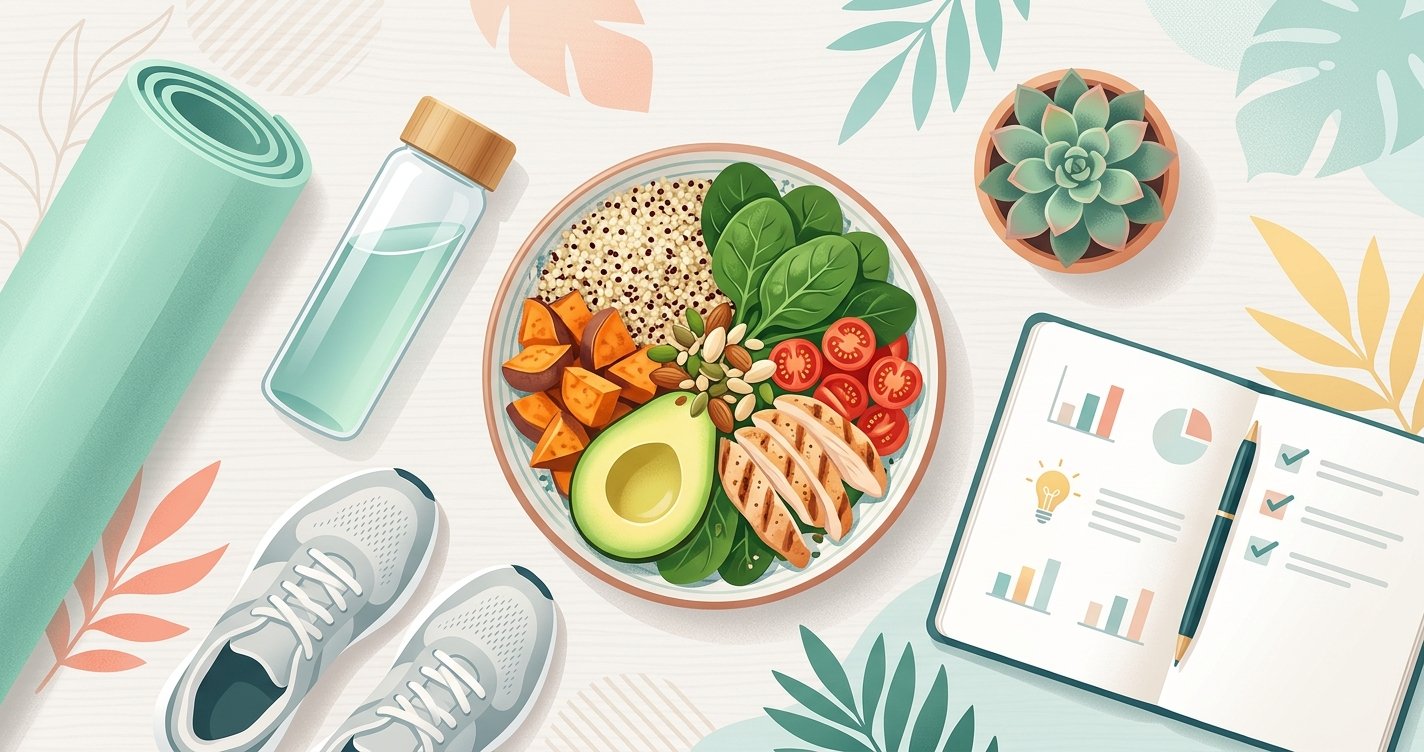
Instead of thinking about what to cut out, focus on what to add in. Build your meals around whole, unprocessed foods: lean proteins (chicken, fish, tofu, beans), plenty of non-starchy vegetables (broccoli, spinach, bell peppers), fiber-rich fruits (berries, apples), complex carbohydrates (oats, quinoa, sweet potatoes), and healthy fats (avocado, nuts, seeds, olive oil). These foods provide sustained energy, essential nutrients, and fiber, which aids digestion and promotes satiety.
Hydration is Key
Don't underestimate the power of water. Staying well-hydrated supports metabolism, helps with satiety (sometimes thirst is mistaken for hunger), and is essential for countless bodily functions. Aim for at least 8 glasses of water a day, and even more if you're active.
- Practical Nutrition Tips:
- Plan Ahead: Meal prepping or planning your meals can prevent impulsive, unhealthy choices.
- Read Labels: Be aware of hidden sugars and unhealthy fats in packaged foods.
- Listen to Your Body: Eat when you're truly hungry, and stop when you're comfortably full.
- Limit Sugary Drinks: These are 'empty calories' that don't provide satiety but contribute significantly to calorie intake.
Move Your Body Smart: Exercise for Long-Term Success
While nutrition accounts for a large portion of fat loss, strategic exercise is indispensable for optimizing body composition, boosting metabolism, and enhancing overall health and well-being.
Strength Training: Your Fat Loss Superpower
If you're not lifting weights, you're missing out on a powerful fat loss tool. Strength training builds and preserves muscle mass. Why is this important? Muscle tissue is metabolically active, meaning it burns more calories at rest than fat tissue. The more muscle you have, the higher your resting metabolic rate (RMR) will be, making it easier to maintain a calorie deficit and burn fat even when you're not exercising. Aim for 2-4 strength training sessions per week, targeting all major muscle groups.
Cardio for Health and Calorie Burn
Cardiovascular exercise is excellent for burning calories, improving heart health, and boosting endurance. While it's great for contributing to your calorie deficit, relying solely on cardio can lead to muscle loss if not paired with strength training and adequate protein intake. Incorporate a mix of steady-state cardio (like brisk walking or jogging) and high-intensity interval training (HIIT) for optimal benefits. HIIT can be particularly effective for calorie burning in a shorter amount of time and can contribute to excess post-exercise oxygen consumption (EPOC), where your body continues to burn calories after your workout.
- Blending Strength and Cardio:
- Combine 2-4 days of full-body strength training with 2-3 days of cardio.
- On strength training days, you can do a short cardio warm-up or cool-down.
- On cardio days, focus on varying intensity and duration to keep things interesting and effective.
Beyond Diet and Exercise: Lifestyle Pillars for Lasting Change
Sustainable fat loss isn't just about what you eat and how you move; it's deeply intertwined with your overall lifestyle. Neglecting these areas can sabotage even the most diligent efforts.
The Power of Sleep
Poor sleep can wreak havoc on your fat loss goals. When you don't get enough quality sleep (7-9 hours for most adults), your body experiences hormonal disruptions. Ghrelin, the 'hunger hormone,' increases, making you feel hungrier, while leptin, the 'satiety hormone,' decreases, making it harder to feel full. Cortisol, the stress hormone, also rises with sleep deprivation, which can promote fat storage, particularly around the midsection. Prioritize sleep by creating a relaxing bedtime routine and ensuring your bedroom is dark, quiet, and cool.
Taming Stress for a Leaner You
Chronic stress, like sleep deprivation, elevates cortisol levels. Sustained high cortisol can lead to increased appetite, cravings for sugary and fatty foods, and a tendency to store fat around the abdomen. Finding healthy ways to manage stress – whether through meditation, yoga, spending time in nature, or hobbies – is a critical component of sustainable fat loss. Recognize your stress triggers and develop coping mechanisms that don't involve food.
Mindful Eating: Connecting with Your Body
In our fast-paced world, eating often becomes a mindless activity. Mindful eating involves paying full attention to your food – its taste, texture, smell – and to your body's hunger and fullness cues. This practice can help you eat less, enjoy your food more, and make healthier choices. Put away distractions, eat slowly, and truly savor each bite. This simple shift can dramatically impact your relationship with food and prevent overeating.
Building Habits That Stick: The Psychology of Sustainable Success
The journey to sustainable fat loss is a marathon, not a sprint. It requires patience, consistency, and a focus on building lasting habits rather than relying on willpower alone.
Set Realistic Goals
Aim for a gradual, steady fat loss of 1-2 pounds per week. This rate is generally sustainable and allows for muscle preservation. Celebrate small victories and focus on progress, not perfection. Understand that plateaus are normal; they are opportunities to re-evaluate and adjust your strategy.
Track Progress (Beyond the Scale)
While the scale can be a useful tool, it doesn't tell the whole story. Muscle gain can mask fat loss, and daily fluctuations in water weight are common. Track other metrics: how your clothes fit, progress photos, body measurements, strength improvements in the gym, energy levels, and overall mood. These non-scale victories often provide a more accurate and encouraging picture of your progress.
Remember, consistency trumps intensity. Small, sustainable changes made daily will yield far greater long-term results than drastic, temporary overhauls.
Conclusion: Your Journey to a Healthier, Happier You
Achieving sustainable fat loss is a holistic endeavor that goes far beyond simply 'dieting' or 'exercising.' It's about cultivating a lifestyle that supports your health, energy, and well-being every single day. By understanding the principles of energy balance, prioritizing nutrient-dense foods, embracing both strength training and cardio, and nurturing crucial lifestyle factors like sleep and stress management, you're not just losing fat – you're building a foundation for a healthier, more vibrant life.
Be patient with yourself, celebrate every step of your progress, and remember that setbacks are just opportunities to learn and adjust. This is your journey to lasting change, and with an evidence-based approach and an encouraging mindset, you have all the tools you need to succeed. Start today, one healthy habit at a time, and unlock the sustainable fat loss you deserve.