Are you tired of the diet rollercoaster? The one where you restrict yourself, see some initial progress, only to rebound and gain back the weight (and often more) shortly after? If so, you're not alone. The world of fat loss is often plagued by quick fixes, extreme measures, and unrealistic promises that leave us feeling defeated and frustrated.
But what if there was a different way? A path to sustainable fat loss that doesn't involve deprivation, but instead focuses on building lasting habits, understanding your body, and nurturing your overall well-being? Good news: there is! This guide will empower you to move beyond the cycle of crash diets and embrace an evidence-based approach to achieving and maintaining your fat loss goals, all while fostering a healthier, happier you. this excellent wellness product
The Problem with Quick Fixes: Why Diets Often Fail
Before diving into what works, it's crucial to understand why many popular diets fall short in the long run. Most crash diets promise rapid weight loss by severely restricting calories or entire food groups. While this might lead to initial drops on the scale, much of it is often water weight or even muscle mass, not just body fat.
Here's why these approaches are rarely sustainable:
- Metabolic Adaptation: Extreme calorie restriction can slow down your metabolism as your body tries to conserve energy, making it harder to lose fat and easier to regain weight once you return to normal eating.
- Muscle Loss: Without adequate protein and resistance training, severe dieting can lead to a loss of metabolically active muscle tissue, further hindering your long-term fat loss efforts.
- Psychological Deprivation: Feeling constantly hungry or deprived can lead to intense cravings, emotional eating, and eventually, a complete abandonment of the diet. This often results in a cycle of restrict-binge.
- Lack of Sustainability: Most people cannot adhere to highly restrictive eating plans indefinitely. They are not designed for real life, social events, or long-term health.
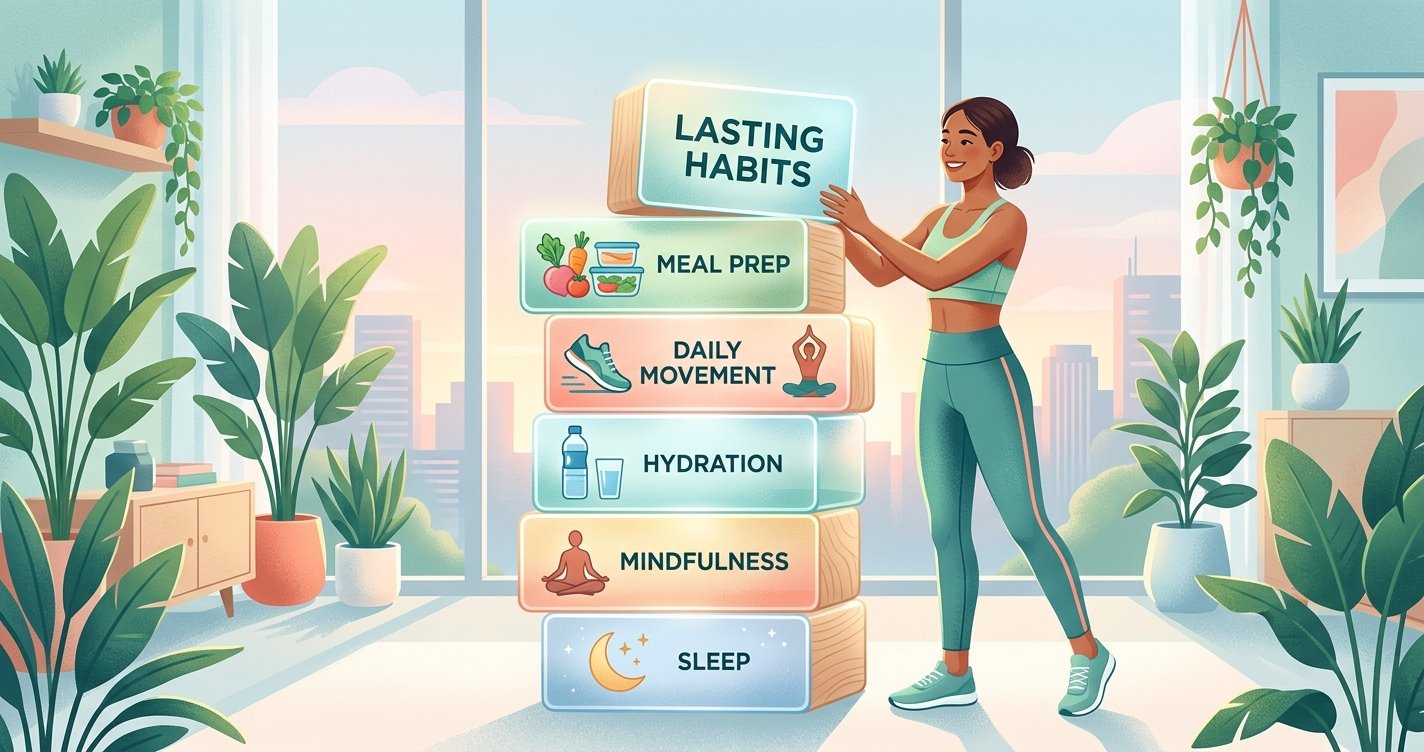
True, sustainable fat loss isn't about quick fixes; it's about building a foundation of healthy habits that you can maintain for life.
The Foundation: Understanding Your Energy Balance
Calorie Deficit: The Non-Negotiable Principle
At its core, fat loss boils down to one fundamental scientific principle: creating a calorie deficit. This means consistently consuming slightly fewer calories than your body burns over a period of time. When you create this deficit, your body is forced to tap into its stored energy reserves – primarily body fat – to make up the difference.
It's important to emphasize 'slightly fewer' and 'consistently'. A moderate deficit (e.g., 300-500 calories below your maintenance level) is much more sustainable and effective than a drastic one. This allows for steady fat loss while preserving muscle mass and avoiding extreme hunger or metabolic slowdowns.
Calculating Your Starting Point (Briefly)
While we won't delve into complex calculations here, understanding your Basal Metabolic Rate (BMR – calories burned at rest) and Total Daily Energy Expenditure (TDEE – calories burned including activity) can be a helpful starting point. Online calculators can provide an estimate, but remember these are just estimates. The key is to start with a moderate deficit and adjust based on your progress and how you feel.
Optimizing Your Plate: The Power of Macronutrients
Once you understand the concept of a calorie deficit, the next step is to fill those calories with nutrient-dense foods that support your goals. This is where macronutrients – protein, carbohydrates, and fats – come into play.
Protein: Your Satiety and Muscle Ally
If there's one macronutrient to prioritize for fat loss, it's protein. Protein is incredibly satiating, meaning it helps you feel fuller for longer, reducing the likelihood of overeating. It also has a higher thermic effect of food (TEF) than carbs or fats, meaning your body burns more calories digesting it.
Crucially, adequate protein intake is vital for preserving muscle mass during a calorie deficit. More muscle means a higher resting metabolism, making fat loss easier in the long run.
- Excellent Sources: Lean meats (chicken breast, turkey), fish (salmon, cod), eggs, Greek yogurt, cottage cheese, legumes (lentils, beans), tofu, tempeh, protein powder.
Complex Carbohydrates & Fiber: Fueling Your Body Smartly
Carbohydrates are not the enemy! The type and quantity of carbs matter. Opt for complex carbohydrates rich in fiber, which provide sustained energy, aid digestion, and contribute to satiety. Fiber is particularly beneficial, as it adds bulk to your meals without adding many calories, helping you feel full.
Avoid excessive amounts of refined sugars and highly processed carbs, which offer little nutritional value and can lead to energy crashes and increased cravings.
- Excellent Sources: Whole grains (oats, brown rice, quinoa, whole-wheat bread), fruits (berries, apples, bananas), vegetables (broccoli, spinach, sweet potatoes).
Healthy Fats: Essential for Hormones and Fullness
Despite their higher calorie density, healthy fats are crucial for overall health, hormone production, and nutrient absorption. They also play a role in satiety, helping you feel satisfied after meals. The key is moderation and choosing the right types of fats.
Focus on unsaturated fats and limit saturated and trans fats.
- Excellent Sources: Avocados, nuts (almonds, walnuts), seeds (chia, flax, pumpkin), olive oil, fatty fish (salmon, mackerel).
Beyond Nutrition: Lifestyle Pillars for Lasting Results
While nutrition forms the bedrock of fat loss, it's just one piece of the puzzle. A holistic approach includes several other lifestyle factors that significantly impact your ability to lose fat and keep it off.
Strength Training: Build Muscle, Boost Metabolism
Don't skip the weights! Strength training is often overlooked but is incredibly powerful for fat loss. Building and maintaining muscle mass is vital because muscle tissue burns more calories at rest than fat tissue. This means a more muscular physique translates to a higher resting metabolism, making it easier to stay in a calorie deficit and burn fat even when you're not exercising.
Aim for 2-4 strength training sessions per week, focusing on compound movements that work multiple muscle groups.
Prioritize Sleep: The Unsung Hero of Fat Loss
In our busy lives, sleep is often the first thing to be sacrificed, but it's a critical component of fat loss. Lack of sleep disrupts key hormones that regulate appetite and metabolism:
- Ghrelin (the hunger hormone) increases, making you feel hungrier.
- Leptin (the satiety hormone) decreases, making it harder to feel full.
- Cortisol (the stress hormone) increases, which can promote fat storage, especially around the belly.
Aim for 7-9 hours of quality sleep per night. Establish a consistent sleep schedule, create a relaxing bedtime routine, and optimize your sleep environment.
Manage Stress: Tame Cortisol, Curb Cravings
Chronic stress can be a significant roadblock to fat loss. When you're stressed, your body releases cortisol, which, as mentioned, can encourage fat storage, particularly in the abdominal area. Furthermore, stress often leads to emotional eating or reaching for comfort foods high in sugar and unhealthy fats.
Incorporate stress-reduction techniques into your daily routine: meditation, yoga, spending time in nature, deep breathing exercises, or engaging in hobbies you love. Finding healthy outlets for stress is crucial for both your mental and physical health.
Stay Hydrated: Simple Yet Powerful
Drinking enough water is a simple habit with profound benefits for fat loss. Water can help you feel fuller, potentially reducing overall calorie intake. It also plays a role in various metabolic processes, including the breakdown of fat. Sometimes, what we perceive as hunger is actually thirst.
Make water your primary beverage choice. Keep a water bottle handy and sip throughout the day. Aim for at least 8 glasses (about 2 liters), adjusting based on your activity level and climate.
Cultivating a Sustainable Mindset: Patience and Consistency
Sustainable fat loss is a journey, not a destination, and certainly not a race. It requires patience, consistency, and a shift in mindset from temporary dieting to permanent lifestyle change. There will be good days and challenging days, but what truly matters is your ability to stay consistent with your healthy habits over time.
Focus on progress, not perfection. Celebrate small wins, learn from setbacks without self-blame, and remember that building healthy habits takes time. Be kind to yourself, trust the process, and understand that lasting results are built step-by-step.
Conclusion
Breaking free from the cycle of crash diets and embracing sustainable fat loss is one of the best investments you can make in your health and well-being. By understanding the principles of a calorie deficit, prioritizing nutrient-dense foods, incorporating strength training, optimizing sleep, managing stress, and staying hydrated, you're not just losing weight – you're building a healthier, stronger, and more resilient you.
Remember, sustainable fat loss isn't about deprivation; it's about empowerment through knowledge and consistent, mindful action. What small, healthy habit can you start building today?