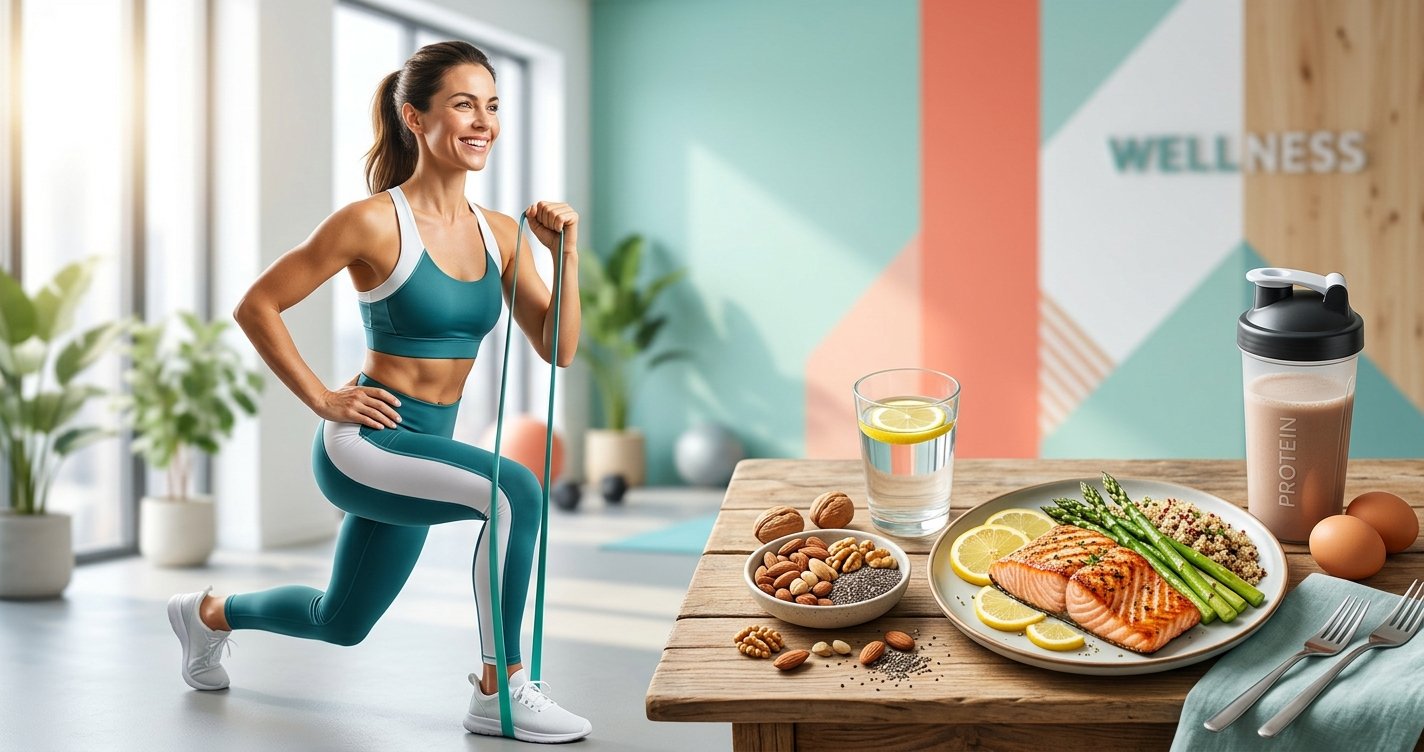
Introduction: Beyond the Scale – Why Protein is Your Fat Loss Ally
Embarking on a fat loss journey can feel like navigating a complex maze. You're bombarded with conflicting advice, quick fixes, and often, the frustration of stalled progress. But what if one key nutrient could be your most powerful ally, not just for shedding pounds, but for truly transforming your body composition and making your results stick? We're talking about protein, and its role in sustainable fat loss is nothing short of revolutionary.
Forget starvation diets or endless cardio. This isn't about deprivation; it's about smart, evidence-based nutrition that empowers your body to burn fat more efficiently, preserve precious muscle, and keep you feeling satisfied. In this comprehensive guide, we'll dive deep into the science behind protein's incredible benefits, helping you understand why it's a non-negotiable component of any successful fat loss strategy. Get ready to unlock the secrets to a leaner, stronger you! this excellent wellness product
The Science-Backed Benefits of Protein for Fat Loss
Protein isn't just for bodybuilders; it's a macronutrient powerhouse for anyone aiming to lose fat and improve their health. Let's explore the three main ways protein puts you in the driver's seat for effective fat loss.
1. The Satiety Superstar: Keeping Hunger at Bay
One of the biggest hurdles in any fat loss journey is battling hunger. Cravings and constant feelings of emptiness can derail even the most determined efforts. This is where protein shines brightest. Protein has a remarkable ability to increase satiety – the feeling of fullness and satisfaction after eating – more effectively than carbohydrates or fats.
How does it work? When you consume protein, it triggers the release of specific gut hormones, such as GLP-1 and PYY, which signal to your brain that you're full. It also helps to suppress ghrelin, often called the 'hunger hormone.' This means that a meal rich in protein can keep you feeling satisfied for longer, reducing the urge to snack unnecessarily and naturally leading to a lower overall calorie intake without feeling deprived. Imagine fewer cravings and more control over your appetite – that's the protein advantage!
2. Boosting Your Metabolism: The Thermic Effect of Food (TEF)
Did you know that your body expends energy just to digest, absorb, and metabolize the food you eat? This is known as the Thermic Effect of Food (TEF), and it accounts for roughly 10% of your daily calorie expenditure. But here's the kicker: not all macronutrients are created equal when it comes to TEF.
Protein has a significantly higher TEF compared to carbohydrates and fats. While fats have a TEF of 0-3% and carbs 5-10%, protein boasts a TEF of 20-30%. This means that for every 100 calories of protein you consume, your body uses 20-30 of those calories just to process it. In practical terms, incorporating more protein into your diet effectively gives your metabolism a gentle, continuous boost, helping you burn more calories throughout the day, even at rest. It's like having a tiny, internal calorie-burning furnace working for you!
3. Muscle's Best Friend: Preserving Lean Mass in a Calorie Deficit
When you're aiming for fat loss, the goal isn't just to lose weight; it's to lose fat while preserving as much lean muscle mass as possible. Why is this so important? Because muscle is metabolically active tissue, meaning it burns more calories at rest than fat tissue does. Losing muscle while dieting can actually slow down your metabolism, making future fat loss even harder and increasing the likelihood of weight regain.
When you're in a calorie deficit (eating fewer calories than you burn), your body might try to break down muscle for energy. A high protein intake acts as a protective shield for your muscles. It provides the essential amino acids needed for muscle repair and synthesis, signaling to your body to hold onto that valuable muscle mass. Combine this with strength training, and you create an optimal environment for preserving and even building muscle while simultaneously shedding fat. This ensures that the weight you lose is predominantly fat, leaving you with a leaner, stronger, and more metabolically efficient physique.
How Much Protein Do You Really Need? Finding Your Sweet Spot
So, if protein is so crucial, how much should you be aiming for? The general Recommended Dietary Allowance (RDA) for protein is 0.8 grams per kilogram of body weight, but this is merely the minimum to prevent deficiency, not necessarily the optimal amount for fat loss and muscle preservation.
For individuals actively pursuing fat loss, especially those who are also engaging in regular exercise, research suggests a significantly higher intake. A good target range is typically:
- 1.6 to 2.2 grams of protein per kilogram of body weight (or 0.7 to 1 gram per pound of body weight).
For example, a person weighing 70 kg (approximately 154 lbs) would aim for 112 to 154 grams of protein per day. If you're very active or have a higher percentage of lean body mass you want to protect, you might even lean towards the higher end of this range. Listen to your body and adjust as needed, but always prioritize hitting your protein goals.
Smart Protein Choices: Fueling Your Body Effectively
Now that you know how much protein you need, let's talk about where to get it. Prioritizing whole, unprocessed protein sources is key for optimal nutrition and satiety.
Lean Protein Sources to Incorporate:
- Poultry: Chicken breast, turkey breast, lean ground turkey.
- Fish: Salmon, tuna, cod, tilapia (rich in omega-3s too!).
- Lean Meats: Lean cuts of beef (sirloin, round), pork tenderloin.
- Eggs: Whole eggs or egg whites are incredibly versatile and nutrient-dense.
- Dairy: Greek yogurt, cottage cheese, milk, kefir (choose lower-fat options).
- Legumes: Lentils, beans, chickpeas (great plant-based options).
- Tofu & Tempeh: Excellent plant-based protein sources, especially for vegans and vegetarians.
- Protein Powder: Whey, casein, soy, or plant-based protein powders can be a convenient way to boost your intake, especially post-workout or when whole food options are limited.
Protein Timing and Distribution
While total daily protein intake is most important, distributing your protein evenly throughout the day can maximize its benefits. Aim for 20-40 grams of protein at each main meal (breakfast, lunch, dinner) and include protein-rich snacks if needed. This strategy helps optimize muscle protein synthesis and keeps you feeling fuller for longer, preventing extreme hunger that can lead to overeating.
Integrating Protein into Your Daily Routine: Practical Tips
Making protein a priority doesn't have to be complicated. Here are some simple ways to boost your intake:
- Start Strong: Don't skip breakfast! Opt for eggs, Greek yogurt, cottage cheese, or a protein smoothie to kickstart your day.
- Lunch & Dinner Power-Ups: Always include a generous serving of lean protein with your main meals. Think chicken salad, grilled fish with veggies, or lentil soup.
- Smart Snacking: Instead of chips or cookies, reach for hard-boiled eggs, a handful of almonds, a protein bar, or a small container of Greek yogurt.
- Meal Prep for Success: Cook larger batches of protein (e.g., roasted chicken, ground turkey) at the beginning of the week to easily add to meals.
- Read Labels: Pay attention to the protein content when grocery shopping. Choose products that offer a good protein-to-calorie ratio.
- Hydrate: Sometimes thirst can be mistaken for hunger. Drink plenty of water throughout the day.
Beyond Protein: A Holistic Approach to Fat Loss
While protein is a powerful tool, remember that sustainable fat loss is a multi-faceted journey. For best results, combine your increased protein intake with:
- A Moderate Calorie Deficit: You still need to consume slightly fewer calories than you burn to lose fat.
- Strength Training: Crucial for building and preserving muscle mass, which boosts metabolism.
- Consistent Cardio: Supports calorie expenditure and cardiovascular health.
- Adequate Sleep: Poor sleep can disrupt hormones that regulate hunger and fat storage.
- Stress Management: Chronic stress can lead to increased cortisol levels, potentially hindering fat loss.
Conclusion: Empower Your Fat Loss Journey with Protein
You now have the knowledge to harness the incredible power of protein for your fat loss goals. By prioritizing this essential macronutrient, you're not just aiming for a lower number on the scale; you're building a stronger, more resilient, and more metabolically efficient body. You'll experience enhanced satiety, a boosted metabolism, and the crucial preservation of muscle, leading to more sustainable and satisfying results.
Remember, this isn't about perfection, but about consistent, smart choices. Start by making small, actionable changes to increase your protein intake, and watch as your body transforms. You've got this – embrace the protein power, and unlock your potential for lasting fat loss and a healthier, happier you!