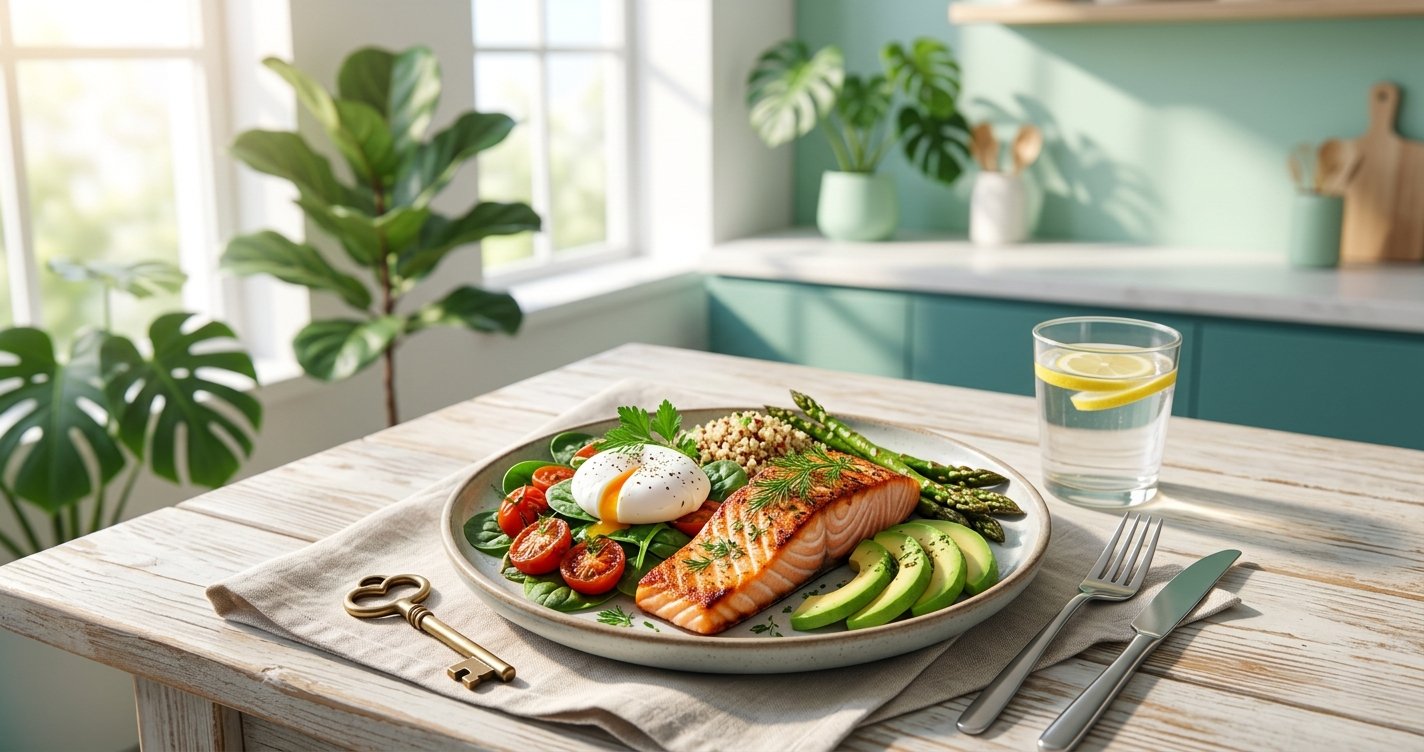
Unlocking Sustainable Fat Loss: The Power of Protein and Smart Calorie Management
Are you tired of quick-fix diets that promise the world but leave you feeling frustrated and hungry? When it comes to fat loss, the internet is flooded with conflicting advice, making it hard to know where to start. But what if we told you that sustainable, long-term fat loss doesn't have to be complicated, restrictive, or miserable? It's about understanding a few fundamental principles and consistently applying them.
Today, we're going to dive deep into the evidence-based strategies for achieving sustainable fat loss, focusing on two incredibly powerful pillars: intelligent calorie management and the often-underestimated superstar macronutrient – protein. Forget deprivation; we're talking about smart, effective choices that empower you to feel great, maintain muscle, and finally achieve your body composition goals without sacrificing your favorite foods entirely. Let's build a foundation for lasting success! this excellent wellness product
The Core Principle: Understanding Your Calorie Deficit
At its heart, fat loss boils down to one undeniable scientific truth: you must consume fewer calories than your body expends. This is known as creating a calorie deficit. Think of your body like a car; if you put in less fuel than you burn, you'll eventually use up the reserves (which, in our case, is stored body fat). While it sounds simple, many people overcomplicate or drastically under-eat, which can be counterproductive.
How to Estimate Your Calorie Needs (TDEE)
Before you can create a deficit, you need to know your maintenance calories – the amount of energy your body needs to maintain its current weight. This is often referred to as your Total Daily Energy Expenditure (TDEE). Your TDEE is influenced by your Basal Metabolic Rate (BMR – energy for basic bodily functions), your activity level, and the thermic effect of food (TEF – energy used to digest food). Online TDEE calculators can provide a good starting estimate, but remember they are just that: estimates. You'll likely need to adjust based on your body's response.
Creating a Realistic and Sustainable Deficit
Once you have an estimated TDEE, the goal is to consistently eat 300-500 calories below that number. A deficit of 300-500 calories per day typically leads to a healthy and sustainable fat loss of 0.5 to 1 pound per week. While a larger deficit might seem appealing for faster results, it can often lead to excessive hunger, nutrient deficiencies, muscle loss, and metabolic adaptations that make long-term adherence incredibly difficult. Remember, slow and steady wins the race when it comes to lasting change.
Why Protein is Your Fat Loss MVP (Most Valuable Player)
If there's one macronutrient you should prioritize for fat loss, it's protein. Protein offers a triple threat advantage that makes it indispensable for anyone looking to shed fat while preserving muscle and feeling satisfied.
Satiety: Feeling Fuller for Longer
Protein is incredibly satiating. Consuming adequate protein helps you feel fuller for longer periods compared to fats or carbohydrates. This means fewer cravings, less mindless snacking, and an easier time sticking to your calorie deficit without feeling constantly deprived. Think about it: a chicken breast or a serving of Greek yogurt will keep you satisfied much longer than a handful of crackers with similar calories.
Muscle Preservation: Protecting Your Metabolism
When you're in a calorie deficit, your body can sometimes break down muscle tissue for energy, not just fat. This is where protein steps in. A high protein intake, especially when combined with strength training, signals to your body to preserve precious muscle mass. Why is this important? Because muscle is metabolically active – it burns more calories at rest than fat does. Preserving muscle helps keep your metabolism humming, making it easier to maintain your fat loss long-term.
The Thermic Effect of Food (TEF)
Did you know your body expends energy just to digest and process the food you eat? This is called the Thermic Effect of Food (TEF). Protein has the highest TEF of all macronutrients, meaning your body burns more calories breaking down protein than it does carbs or fats. While the effect isn't massive, every little bit helps in creating that sustainable calorie deficit.
How Much Protein Do You Really Need?
For optimal fat loss and muscle preservation, aim for 0.7 to 1 gram of protein per pound of your target body weight (or current lean body mass). For many, this translates to roughly 120-180 grams of protein per day, distributed across meals and snacks. Excellent sources include lean meats, poultry, fish, eggs, dairy products (Greek yogurt, cottage cheese), legumes, and protein supplements.
Don't Fear Carbs: The Smart Way to Fuel Your Body
Carbohydrates often get a bad rap in the fat loss world, but they are far from the enemy. They are your body's primary and preferred source of energy. The key is to choose the right kinds of carbohydrates and manage your portions effectively.
Complex Carbs vs. Simple Sugars
Focus on complex carbohydrates, which are rich in fiber and nutrients, and provide a sustained release of energy. Think whole grains (oats, brown rice, quinoa), starchy vegetables (sweet potatoes, squash), and fruits. These provide essential vitamins, minerals, and antioxidants. Limit simple sugars found in processed foods, sugary drinks, and refined grains, as they offer little nutritional value and can lead to energy crashes and increased cravings.
The Power of Fiber
Fiber, found abundantly in complex carbs, plays a crucial role in fat loss. It aids digestion, helps regulate blood sugar levels, and contributes significantly to satiety, much like protein. Filling your plate with fiber-rich foods will help you feel full and satisfied, making it easier to adhere to your calorie goals.
Timing and Portion Control for Energy
While carbs are essential, portion control is still important due to their calorie content. Consider timing some of your carb intake around your workouts to fuel performance and aid recovery. For non-workout days, focus on moderate portions of whole, unprocessed sources. Listening to your body's energy needs is key.
Healthy Fats: Essential for Hormones and Satiety
Fats are another macronutrient that often gets misunderstood. While calorie-dense, healthy fats are absolutely essential for hormone production, nutrient absorption, brain health, and overall well-being. They also contribute to satiety, helping you feel satisfied after meals.
The Good, The Bad, and The Essential
Prioritize sources of monounsaturated and polyunsaturated fats. These include avocados, nuts, seeds, olive oil, and fatty fish like salmon. Limit saturated fats found in high amounts in processed foods and some animal products, and avoid trans fats entirely. These healthy fats are crucial for your body to function optimally, especially when in a calorie deficit.
Portion Control is Key
Because fats contain 9 calories per gram (compared to 4 calories per gram for protein and carbs), they can quickly add up. A small amount of healthy fat goes a long way. Be mindful of your portions – a tablespoon of olive oil or a quarter of an avocado can provide significant calories, even if they are 'healthy' calories. Balance is vital.
Putting It All Together: Practical Strategies for Success
Understanding macros is one thing; implementing them consistently is another. Here are some practical tips to weave these principles into your daily life:
Meal Prep for Success
Planning and preparing your meals in advance can be a game-changer. Dedicate a few hours each week to cook lean protein sources, complex carbs, and chop vegetables. Having healthy options readily available reduces the likelihood of resorting to less-than-ideal choices when hunger strikes.
Mindful Eating and Listening to Your Body
Beyond macros and calories, practice mindful eating. Pay attention to your hunger and fullness cues. Eat slowly, savor your food, and truly experience your meals. This can help you avoid overeating and foster a healthier relationship with food. Don't eat just because it's 'time to eat' – eat when you're genuinely hungry, and stop when you're comfortably full.
The Power of Consistency (Not Perfection)
Fat loss is a journey, not a destination. There will be days when you don't hit your macros perfectly, or you go over your calorie target. That's okay! Don't let one 'off' meal or day derail your entire effort. Consistency over time is what truly matters. Get back on track with your next meal, learn from the experience, and move forward with a positive mindset.
Beyond Macros: The Holistic Picture
While nutrition is paramount, remember that fat loss is a holistic endeavor. Don't neglect other crucial factors:
- Sleep: Aim for 7-9 hours of quality sleep per night. Poor sleep can disrupt hunger hormones and increase cravings.
- Stress Management: Chronic stress can elevate cortisol levels, which can hinder fat loss and encourage fat storage around the midsection.
- Hydration: Drink plenty of water throughout the day. Sometimes thirst can be mistaken for hunger.
- Activity: Incorporate both strength training (to build and preserve muscle) and cardiovascular exercise (for overall health and calorie burn) into your routine.
Your Sustainable Fat Loss Journey Starts Now!
Achieving sustainable fat loss isn't about extreme diets or endless deprivation. It's about empowering yourself with knowledge, making smart, evidence-based choices, and being consistent. By focusing on a moderate calorie deficit, prioritizing protein, choosing smart carbohydrates, and incorporating healthy fats, you're building a foundation for not just weight loss, but lasting health and vitality.
Remember, this is your journey. Be patient with yourself, celebrate small victories, and focus on progress, not perfection. You have the power to transform your body and your relationship with food. Start small, stay consistent, and watch as your efforts lead to incredible, sustainable results!