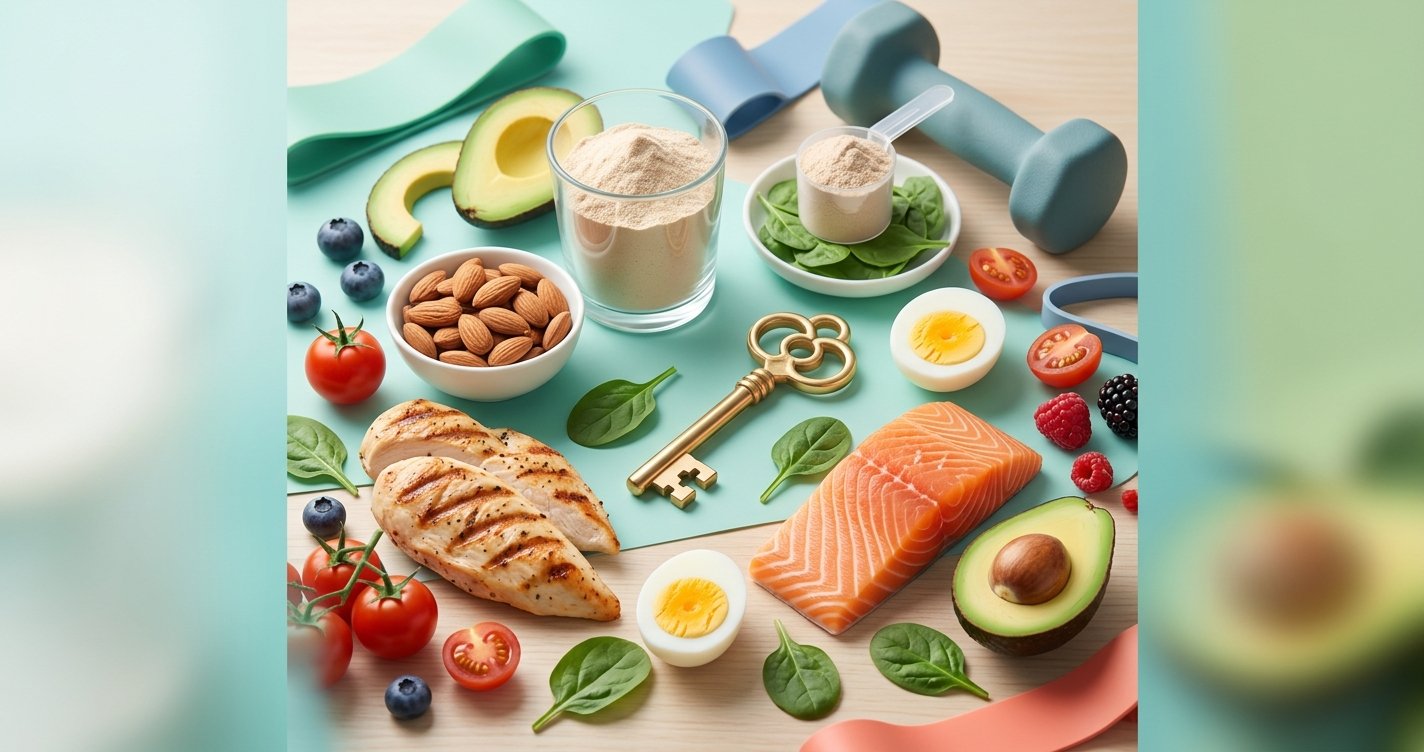
Hey there, fat loss warrior! Are you tired of restrictive diets that leave you feeling hungry, drained, and ultimately disappointed? Do you ever wonder if there's a simpler, more effective way to shed those stubborn pounds and keep them off for good? If so, you're in the right place!
Today, we're diving deep into the often-underestimated superstar of sustainable fat loss: protein. While carbs and fats often steal the spotlight (or the blame!), protein quietly works behind the scenes as your ultimate ally. It's not just for bodybuilders; it’s a crucial nutrient that can revolutionize your journey towards a leaner, stronger, and healthier you. And guess what? The science backs it up! this excellent wellness product
Let's explore why optimizing your protein intake isn't just a good idea, but a fundamental strategy for achieving lasting fat loss, preserving precious muscle, and finally breaking free from the diet cycle.
Why Protein is Your Ultimate Ally for Fat Loss
When it comes to fat loss, most people immediately think about cutting calories. While a calorie deficit is indeed necessary, how you achieve that deficit and what you eat matters immensely. Protein offers three powerful mechanisms that make it indispensable:
- Superior Satiety: Keeps you feeling full and satisfied, naturally reducing overall calorie intake.
- Metabolic Boost: Has the highest thermic effect of food (TEF), meaning your body burns more calories just to digest it.
- Muscle Preservation: Protects your lean muscle mass, which is crucial for maintaining a healthy metabolism and a toned physique.
1. The Power of Satiety: Feeling Fuller, Longer
Have you ever eaten a huge salad only to feel hungry an hour later? Or devoured a plate of pasta and found yourself rummaging for snacks shortly after? That's often because those meals lacked sufficient protein. Protein has a remarkable ability to keep you feeling full and satisfied for extended periods.
Here’s the science: When you consume protein, it triggers the release of specific hormones in your gut, such as PYY and GLP-1, which signal satiety to your brain. Simultaneously, it helps suppress ghrelin, the hormone responsible for telling your body it’s hungry. This powerful hormonal interplay means you're less likely to overeat, snack unnecessarily, or succumb to cravings, making it much easier to stick to your calorie goals without feeling deprived.
Imagine effortlessly reducing your daily calorie intake simply by making smarter food choices that include ample protein. That’s the power of satiety at work!
2. Boosting Your Metabolism: Protein's Thermic Effect
Every time you eat, your body expends energy to digest, absorb, and metabolize the nutrients. This is known as the Thermic Effect of Food (TEF), and protein is the undisputed champion in this regard.
While carbohydrates have a TEF of about 5-10% and fats are even lower (0-3%), protein boasts a TEF of 20-30%! This means that for every 100 calories of protein you consume, your body uses 20-30 of those calories just to process it. Compare that to carbs, where only 5-10 calories are burned. Over the course of a day, and especially over weeks and months, this small difference adds up significantly, giving your metabolism a gentle, consistent boost without any extra effort on your part.
It’s like having a tiny, internal furnace working harder simply because you’re fueling it with the right stuff!
3. Preserving Precious Muscle During Fat Loss
When you're in a calorie deficit to lose fat, your body can sometimes break down muscle tissue for energy, especially if protein intake is insufficient. This is a big problem because muscle is metabolically active – it burns more calories at rest than fat does. Losing muscle means your resting metabolic rate (RMR) decreases, making it harder to lose fat in the future and easier to regain weight.
This is where protein shines. Adequate protein intake provides the essential amino acids your body needs to repair and build muscle, even in a calorie deficit. By prioritizing protein, especially in combination with strength training, you send a clear signal to your body: "Keep the muscle, burn the fat!" This not only helps you maintain a higher metabolism but also contributes to a more toned, sculpted physique as you shed body fat.
How Much Protein Do You Really Need for Fat Loss?
The standard recommended daily allowance (RDA) for protein is 0.8 grams per kilogram of body weight, but this is merely the minimum to prevent deficiency in sedentary individuals. For active individuals, and especially those aiming for fat loss while preserving muscle, a higher intake is far more beneficial.
Most evidence-based recommendations for fat loss suggest aiming for 1.6 to 2.2 grams of protein per kilogram of body weight per day. If you're very active or have a significant amount of muscle, you might even benefit from slightly higher amounts. A good rule of thumb for many is to aim for roughly 1 gram of protein per pound of your target body weight, or per pound of your lean body mass (your weight minus your fat mass).
Let's do a quick example: If you weigh 150 lbs (approx. 68 kg) and want to lose fat, aiming for 1.6-2.2g/kg would mean 109-150 grams of protein per day. If you prefer using pounds, aiming for 130-150 grams might be a great starting point.
Don't get too caught up in precise numbers initially. The key is to consciously increase your intake from wherever you are now, gradually moving towards these optimal ranges.
Top Protein Sources: Fueling Your Body Smartly
Getting enough protein doesn't have to be complicated or boring. Nature provides us with an abundance of delicious, protein-rich foods. Prioritizing whole, unprocessed sources is always best!
Excellent Whole Food Protein Sources:
- Lean Meats: Chicken breast, turkey, lean beef, pork tenderloin.
- Fish & Seafood: Salmon, tuna, cod, shrimp, tilapia (packed with omega-3s too!).
- Eggs: The incredible, versatile egg is a complete protein powerhouse.
- Dairy: Greek yogurt, cottage cheese, milk, kefir (great for gut health too!).
- Legumes & Beans: Lentils, black beans, chickpeas, kidney beans (also high in fiber!).
- Plant-Based Options: Tofu, tempeh, edamame, seitan, quinoa, nuts, and seeds (though nuts/seeds are also high in fat, so portion control is key).
When Supplements Can Help:
While whole foods should be your primary source, protein supplements can be a convenient and effective way to meet your daily targets, especially if you're busy, on the go, or have higher needs.
- Whey Protein: Fast-digesting, excellent post-workout or to boost breakfast.
- Casein Protein: Slow-digesting, great before bed for sustained amino acid release.
- Plant-Based Proteins: Pea, rice, hemp, or mixed blends are excellent alternatives for those avoiding dairy or meat.
Remember, supplements are designed to *supplement* your diet, not replace nutrient-dense whole foods.
Practical Strategies to Boost Your Protein Intake Daily
Integrating more protein into your diet might seem daunting at first, but with a few simple tweaks, it becomes second nature. Here are some actionable tips:
- Start Strong with Breakfast: Ditch the sugary cereal! Opt for eggs, Greek yogurt with berries, a protein smoothie, or cottage cheese.
- Protein with Every Meal: Make it a habit to include a significant protein source (20-40g) in every main meal.
- Smart Snacking: Instead of chips or cookies, grab a handful of almonds, a hard-boiled egg, a piece of string cheese, beef jerky, or a protein bar.
- Meal Prep Like a Pro: Cook larger batches of lean protein (chicken breast, ground turkey) at the beginning of the week to easily add to salads, wraps, or stir-fries.
- Prioritize Protein on Your Plate: When serving yourself, put your protein source on your plate first, then add your veggies and healthy carbs.
- Protein Powder Power-Ups: Add a scoop of protein powder to your oatmeal, coffee, or even pancake batter.
Common Protein Myths Debunked
Let's clear up some misconceptions that might be holding you back:
- "Too much protein is bad for your kidneys." For healthy individuals with no pre-existing kidney conditions, there is extensive research showing that high protein intake is perfectly safe. Always consult your doctor if you have specific health concerns.
- "Protein makes you bulky." This is a common fear, especially among women. Protein builds and repairs muscle, but it doesn't magically make you "bulky." That requires specific training, a significant calorie surplus, and often specific hormonal profiles. Optimal protein intake helps create a lean, toned physique.
- "Protein is only for bodybuilders." Absolutely not! As we've discussed, protein is essential for everyone's health, satiety, metabolism, and maintaining strength, regardless of your fitness goals.
Putting It All Together: Your High-Protein Fat Loss Plan
You now have the knowledge and tools to harness the power of protein for sustainable fat loss. Remember, consistency is key. Don't aim for perfection overnight. Start by making one or two small changes, like adding a protein source to your breakfast or swapping out a sugary snack for a protein-rich one.
Embrace protein as your secret weapon, and watch how it transforms your energy levels, satiety, and ultimately, your body composition. You'll not only shed unwanted fat but also build a stronger, more resilient body that feels good and functions optimally.
You've got this! By prioritizing protein, you're not just going on another diet; you're adopting a smart, evidence-based strategy for long-term health and a body you love.