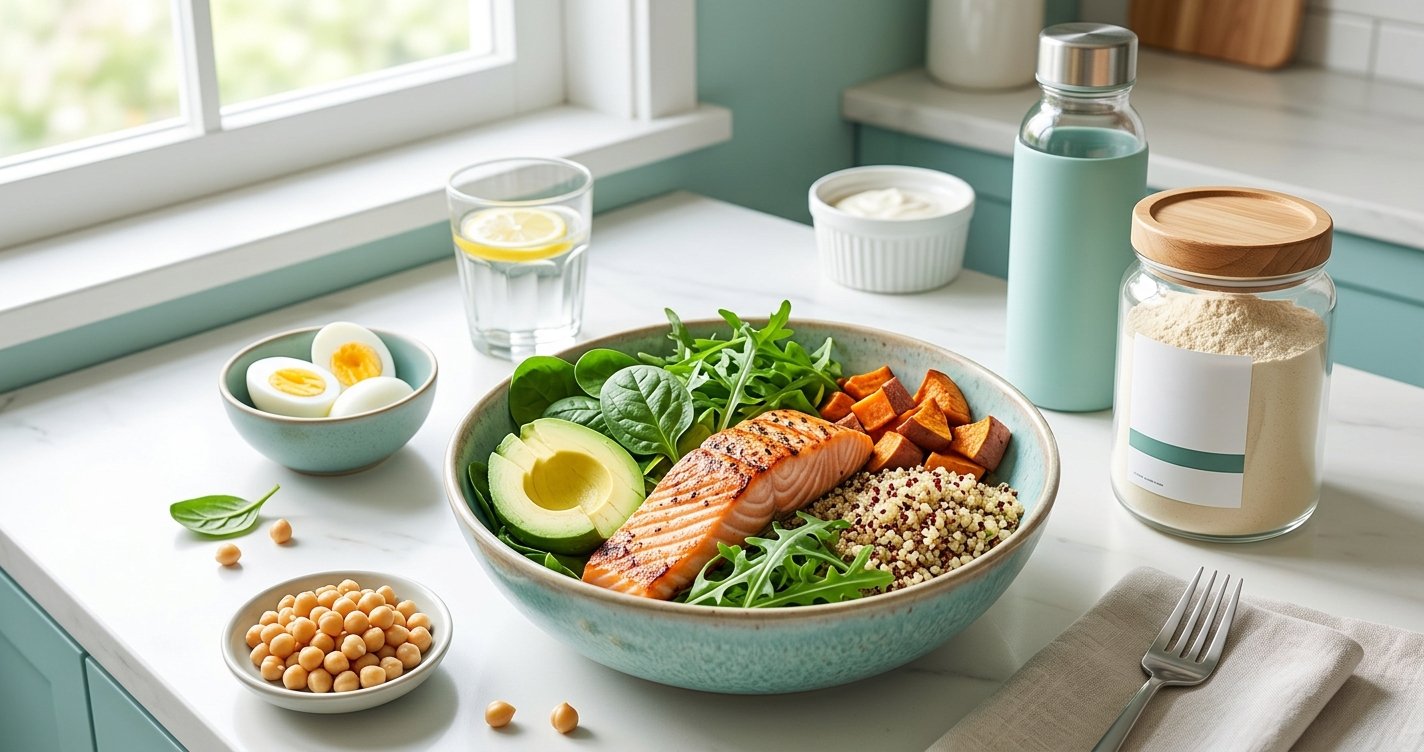
Why Protein is Your Secret Weapon for Sustainable Fat Loss
Are you tired of the endless cycle of restrictive diets, fleeting results, and feeling constantly hungry? When it comes to shedding those extra pounds and keeping them off for good, the focus often drifts to cutting carbs or drastically reducing calories. While a calorie deficit is fundamental, there’s one macronutrient that consistently proves to be a game-changer for sustainable fat loss: protein.
Far from just a bodybuilder’s obsession, protein is a powerful ally for anyone looking to transform their body, boost their metabolism, and feel satisfied while doing it. It’s not just about muscle; it’s about smart, effective, and most importantly, sustainable fat loss. In this comprehensive guide, we'll dive deep into why protein is your ultimate partner on this journey, how much you need, and the best ways to incorporate it into your daily life. this excellent wellness product
Why Protein is Your Fat Loss MVP (Most Valuable Player)
Protein isn't just a building block for muscles; it plays multiple crucial roles that directly impact your ability to lose fat and maintain a healthy weight. Let's break down its superpowers:
The Satiety Factor: Feeling Full, Longer
One of the biggest struggles with any fat loss journey is hunger. Cravings and the constant urge to snack can derail even the best intentions. This is where protein truly shines. Protein is known for its incredible ability to increase satiety, meaning it helps you feel fuller and more satisfied for longer periods compared to carbohydrates or fats.
When you consume protein, it triggers the release of hormones like GLP-1 and CCK, which signal fullness to your brain. This natural appetite suppression means you're less likely to overeat at your next meal or reach for unhealthy snacks, making it easier to stick to your calorie goals without feeling deprived.
The Thermic Effect of Food (TEF): Burning More Calories Just By Eating
Did you know that your body burns calories just to digest, absorb, and process the nutrients from your food? This is known as the Thermic Effect of Food (TEF), and protein has the highest TEF of all the macronutrients. Roughly 20-30% of the calories you consume from protein are burned off during its digestion, compared to 5-10% for carbohydrates and 0-3% for fats.
This means that by simply increasing your protein intake, you can slightly boost your daily calorie expenditure, giving you a metabolic advantage without even hitting the gym. It's like getting a mini-workout with every meal!
Preserving Muscle: The Key to a Revved Metabolism
When you're in a calorie deficit, your body doesn't just burn fat; it can also break down muscle tissue for energy. Losing muscle is counterproductive to fat loss goals because muscle is metabolically active – it burns more calories at rest than fat does. A higher muscle mass means a higher resting metabolic rate (RMR), which is the number of calories your body burns just to keep you alive.
Adequate protein intake is crucial for preserving lean muscle mass during a calorie deficit. Protein provides the amino acids necessary for muscle repair and synthesis, signaling to your body to hold onto that precious muscle. By protecting your muscle, you keep your metabolism revved up, making fat loss more efficient and preventing that dreaded metabolic slowdown often associated with dieting.
How Much Protein Do You Really Need for Fat Loss?
While the general recommended daily allowance (RDA) for protein is 0.8 grams per kilogram of body weight, this is often insufficient for active individuals or those aiming for fat loss. For optimal fat loss and muscle preservation, research suggests a higher intake.
- General Guideline: Aim for approximately 1.6 to 2.2 grams of protein per kilogram of body weight (or 0.7 to 1 gram per pound of body weight) each day.
- Example: If you weigh 70 kg (about 154 lbs), you'd be looking at 112-154 grams of protein daily.
Factors like your activity level, age, and current body composition can influence these numbers. If you're very active or have a significant amount of muscle, you might benefit from the higher end of the spectrum.
Smart Protein Sources: Fueling Your Journey
Variety is key! Incorporating a range of protein sources ensures you're getting a broad spectrum of amino acids and other essential nutrients.
Animal-Based Proteins
- Lean Meats: Chicken breast, turkey, lean beef (sirloin, round), pork loin.
- Fish: Salmon, tuna, cod, mackerel (rich in omega-3s!).
- Eggs: A complete protein, versatile, and affordable.
- Dairy: Greek yogurt, cottage cheese, milk, whey protein (excellent sources of casein and whey).
Plant-Based Proteins
- Legumes: Lentils, chickpeas, black beans, kidney beans.
- Tofu & Tempeh: Versatile soy products that absorb flavors well.
- Quinoa: A complete protein grain.
- Nuts & Seeds: Almonds, peanuts, chia seeds, flax seeds, pumpkin seeds (also good for healthy fats).
- Edamame: Great for snacking.
Protein Supplements
While whole foods should always be your primary source, protein supplements can be a convenient and effective way to meet your daily targets, especially after workouts or when you're on the go.
- Whey Protein: Fast-digesting, ideal post-workout.
- Casein Protein: Slow-digesting, good before bed or for sustained release.
- Plant-Based Proteins: Pea, rice, hemp proteins for those avoiding animal products.
Practical Strategies to Boost Your Protein Intake
Increasing your protein intake doesn't have to be complicated. Here are some simple, actionable tips:
- Prioritize Protein at Breakfast: Start your day strong. Instead of sugary cereals, opt for eggs, Greek yogurt, cottage cheese, or a protein smoothie. This sets you up for better satiety throughout the day.
- Include Protein with Every Meal and Snack: Aim for 20-40 grams of protein per main meal and 10-20 grams per snack. This helps spread your intake evenly and maximizes muscle protein synthesis.
- Smart Snacking: Swap chips and cookies for protein-rich snacks like a handful of almonds, a hard-boiled egg, a piece of string cheese, or beef jerky.
- Meal Prep for Success: Cook larger batches of lean protein (chicken, ground turkey, lentils) at the beginning of the week to easily add to your meals.
- Don't Forget Your Veggies: While not primary protein sources, some vegetables like broccoli, spinach, and peas contribute small amounts of protein that add up.
- Get Creative: Add protein powder to oatmeal, pancakes, or baked goods for an extra boost.
Beyond Protein: A Holistic Approach to Sustainable Fat Loss
While protein is a powerful tool, remember that sustainable fat loss is a multi-faceted journey. For optimal results, ensure you're also paying attention to:
- Calorie Deficit: Protein helps, but you still need to consume fewer calories than you burn.
- Strength Training: Crucial for building and preserving muscle mass, which boosts your metabolism.
- Adequate Sleep: Poor sleep can disrupt hormones that regulate appetite and fat storage.
- Stress Management: Chronic stress can lead to increased cortisol levels, potentially hindering fat loss.
- Hydration: Drinking enough water supports metabolism and can help manage hunger.
Embrace the Power of Protein for Lasting Change
Protein is not just a nutrient; it's a strategic partner in your fat loss journey. By understanding its profound impact on satiety, metabolism, and muscle preservation, you can leverage its power to achieve your goals more effectively and sustainably. No more feeling constantly hungry or battling a sluggish metabolism.
Start today by consciously increasing your protein intake. Experiment with different sources, plan your meals, and watch as you feel more satisfied, energized, and closer to the healthy, strong body you deserve. Your secret weapon is ready – are you?