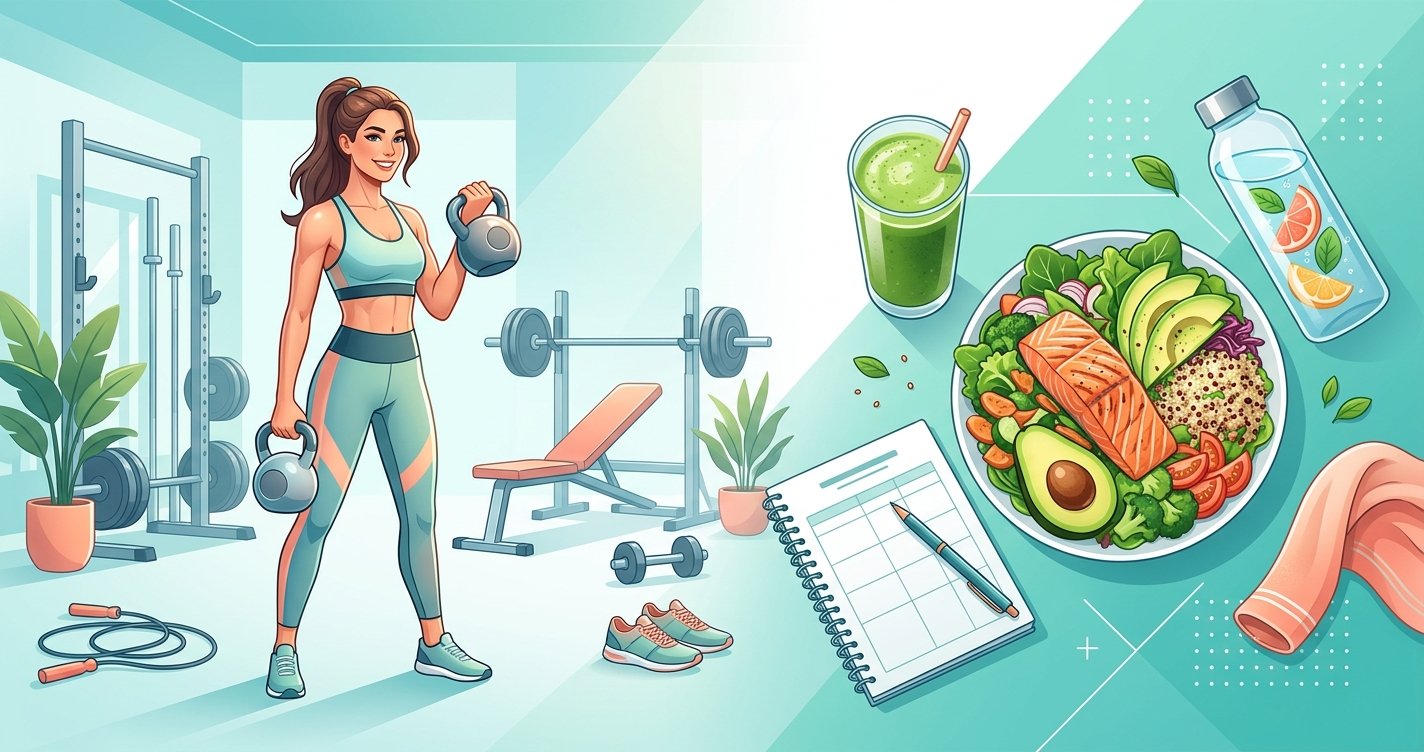
Your Blueprint for Lasting Fat Loss: Strength Training & Smart Nutrition
Are you tired of the endless cycle of diets that promise the world but deliver only temporary results? Do you dream of not just losing weight, but truly transforming your body, boosting your energy, and feeling strong and confident in your own skin? If so, you're not alone. The journey to fat loss can often feel confusing, overwhelming, and filled with conflicting advice.
But what if there was a sustainable, evidence-based path that didn't involve deprivation or extreme measures? A path that focused on building a stronger, healthier you, rather than just shrinking the number on the scale? Today, we're going to dive deep into exactly that: the powerful, often underestimated combination of strength training and smart nutrition as your ultimate blueprint for lasting fat loss. Forget the quick fixes; it's time to build a foundation that truly lasts. this excellent wellness product
Why "Quick Fixes" Don't Last (And What Does!)
Before we build our blueprint, let's understand why so many traditional fat loss approaches fail in the long run. Most trendy diets focus solely on extreme calorie restriction, often leading to rapid initial weight loss. While a calorie deficit is indeed fundamental for fat loss, the way it's achieved makes all the difference.
The Calorie Deficit Conundrum (and why it's not enough)
Yes, to lose fat, you must consume fewer calories than you burn. This is non-negotiable science. However, simply slashing calories without regard for nutrient quality or physical activity often backfires. When you drastically cut calories, especially without adequate protein, your body doesn't just burn fat – it also breaks down precious muscle tissue for energy. This is a huge problem because muscle is metabolically active; it burns more calories at rest than fat does.
Rapid muscle loss leads to a slower metabolism, making it harder to lose fat and incredibly easy to regain weight once you stop dieting. This is often why people find themselves in a frustrating yo-yo cycle, feeling worse off than when they started.
The Muscle-Loss Trap of Extreme Diets
Think about it: if your body is losing muscle mass, your strength decreases, your energy levels plummet, and your metabolism slows down. You might look thinner on the scale, but you could actually be 'skinny fat' – low muscle mass, relatively high body fat percentage. This isn't the healthy, strong, and vibrant body you're aiming for!
The Undeniable Power of Strength Training for Fat Loss
This is where strength training enters the scene as your most powerful ally. It's not just for bodybuilders; it's for anyone serious about sustainable fat loss and body recomposition.
Build Muscle, Boost Metabolism: Your Internal Fat-Burning Furnace
Here's the magic: when you lift weights, you challenge your muscles, causing microscopic tears. Your body then repairs and rebuilds these muscles, making them stronger and, crucially, larger. More muscle mass means a higher Basal Metabolic Rate (BMR) – the number of calories your body burns at rest just to perform basic functions. Imagine your body becoming a more efficient, 24/7 fat-burning furnace!
Beyond the actual lifting session, strength training also causes a phenomenon called EPOC (Excess Post-exercise Oxygen Consumption), often referred to as the 'afterburn effect.' Your body continues to burn extra calories for hours, sometimes even days, after your workout as it recovers and rebuilds. This is a significant advantage over purely cardio-based approaches.
Beyond the Burn: Strength Training's Hormonal Edge
Strength training does more than just build muscle. It positively impacts your hormonal profile, which is crucial for fat loss. It can improve insulin sensitivity, meaning your body becomes more efficient at using carbohydrates for energy instead of storing them as fat. It also stimulates the release of growth hormone and testosterone (in both men and women), both of which play key roles in muscle growth and fat metabolism.
And let's not forget the mental benefits! The feeling of getting stronger, hitting new personal bests, and seeing your body transform instills a sense of accomplishment, discipline, and self-efficacy that spills over into all areas of your life.
Getting Started: A Beginner's Guide to Lifting
Don't be intimidated! You don't need to be a gym rat to start. Here's how:
- Start Simple: Begin with bodyweight exercises (squats, lunges, push-ups, planks) or light dumbbells.
- Focus on Form: Proper technique prevents injury and ensures you're working the right muscles. Watch videos, consider a trainer for a few sessions, or use apps with guided exercises.
- Compound Movements: Prioritize exercises that work multiple muscle groups at once (squats, deadlifts, overhead presses, rows). These are highly efficient.
- Progressive Overload: To keep building muscle, you need to continually challenge your body. This means gradually increasing the weight, reps, sets, or decreasing rest time over time.
- Consistency: Aim for 2-4 strength training sessions per week, allowing for rest and recovery.
Smart Nutrition: Fueling Your Body for Sustainable Fat Loss
While strength training builds the engine, smart nutrition provides the premium fuel. You can't out-train a poor diet. Here's how to optimize your plate for sustainable fat loss.
Protein Power: Your Ally Against Hunger and Muscle Loss
If there's one macronutrient to prioritize for fat loss, it's protein. Here's why:
- Satiety: Protein keeps you feeling fuller for longer, reducing cravings and overall calorie intake.
- Thermic Effect of Food (TEF): Your body burns more calories digesting protein than it does fats or carbohydrates.
- Muscle Preservation: Adequate protein intake is crucial for repairing and building muscle, especially during a calorie deficit.
Aim for 0.7-1 gram of protein per pound of your target body weight. Excellent sources include lean meats, poultry, fish, eggs, dairy, legumes, and protein supplements.
The Role of Carbs and Fats: Not the Enemy, But Strategic Allies
Contrary to popular diet culture, carbohydrates and fats are not the enemy. They are essential for energy, hormonal health, and overall well-being. The key is choosing the right types and quantities.
- Complex Carbohydrates: These provide sustained energy for your workouts and daily activities. Think whole grains (oats, brown rice, quinoa), fruits, and vegetables. Avoid excessive refined sugars and highly processed carbs.
- Healthy Fats: Essential for hormone production, nutrient absorption, and satiety. Include sources like avocados, nuts, seeds, olive oil, and fatty fish.
A balanced approach, tailored to your activity level and preferences, is always best. Focus on whole, unprocessed foods that provide a wide array of micronutrients.
Practical Steps: Portion Control, Whole Foods, and Hydration
Implementing smart nutrition doesn't have to be complicated:
- Prioritize Whole Foods: Fill your plate with vegetables, lean proteins, and complex carbohydrates.
- Mindful Eating: Pay attention to your hunger and fullness cues. Eat slowly, without distractions.
- Hydration: Drink plenty of water throughout the day. Often, thirst is mistaken for hunger.
- Meal Prep: Planning and preparing meals in advance can save time and prevent unhealthy choices.
Bringing It All Together: Your Sustainable Fat Loss Blueprint
The real magic happens when you integrate strength training and smart nutrition into a cohesive lifestyle. This isn't a temporary diet; it's a permanent upgrade to your health and physique.
Consistency Over Perfection: The Marathon, Not the Sprint
Sustainable fat loss is a journey, not a destination. There will be days you miss a workout or overindulge. That's okay! The key is to get back on track with your next meal or workout. Consistency in your efforts, over months and years, will yield far greater results than short bursts of perfection.
Celebrate small victories, learn from setbacks, and be patient with yourself. Your body needs time to adapt and change.
Listen to Your Body: The Importance of Sleep and Stress Management
Beyond the gym and the kitchen, two often-overlooked pillars of fat loss are sleep and stress management. Chronic lack of sleep can disrupt hormones like ghrelin (hunger hormone) and leptin (satiety hormone), leading to increased cravings and fat storage. High stress levels elevate cortisol, which can also promote belly fat accumulation.
Prioritize 7-9 hours of quality sleep per night and find healthy ways to manage stress, whether through meditation, hobbies, or spending time in nature. Your body will thank you.
Frequently Asked Questions (FAQs)
How often should I strength train for fat loss?
For most individuals, 3-4 strength training sessions per week, targeting major muscle groups, is ideal. Ensure you allow for rest days in between to facilitate muscle recovery and growth.
Do I need to count calories?
While not strictly necessary for everyone, tracking your caloric and macronutrient intake for a period can be incredibly insightful. It helps you understand portion sizes, identify hidden calories, and ensure you're getting adequate protein. Once you have a good understanding, you can transition to more intuitive eating.
What about cardio? Should I do it?
Cardio is beneficial for cardiovascular health and can contribute to your calorie deficit. Incorporate moderate cardio (e.g., brisk walking, cycling) 2-3 times a week, especially on your non-strength training days, for overall fitness and to support your fat loss goals. However, prioritize strength training for its unique muscle-building and metabolic benefits.
Conclusion
The journey to lasting fat loss isn't about chasing fleeting trends or punishing your body. It's about empowering yourself with knowledge and building sustainable habits. By embracing the power of strength training to build a more efficient, metabolically active body, and fueling it with smart, whole-food nutrition, you're not just losing weight – you're building a stronger, healthier, and more confident version of yourself.
This blueprint provides the tools; your consistency and dedication will build the results. Start today, be patient, and trust the process. Your stronger, leaner, and more vibrant future awaits!